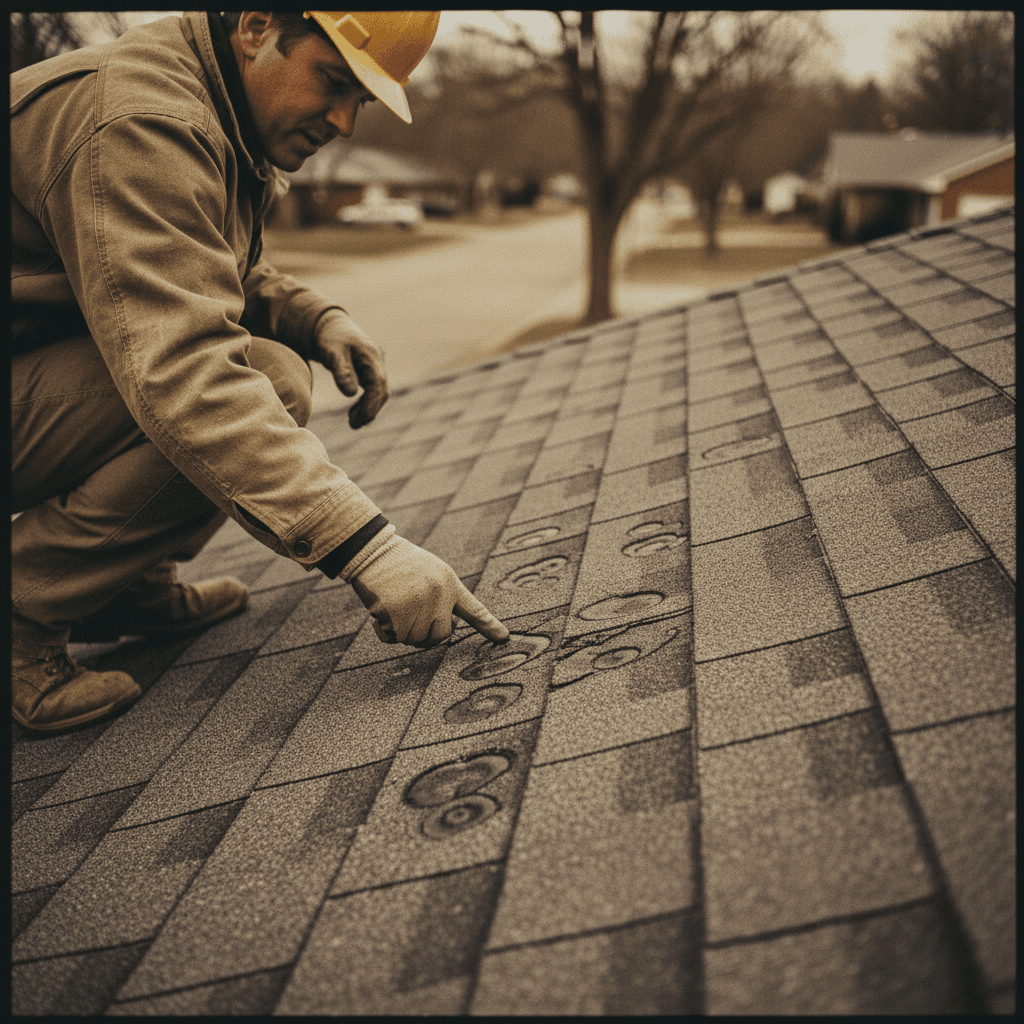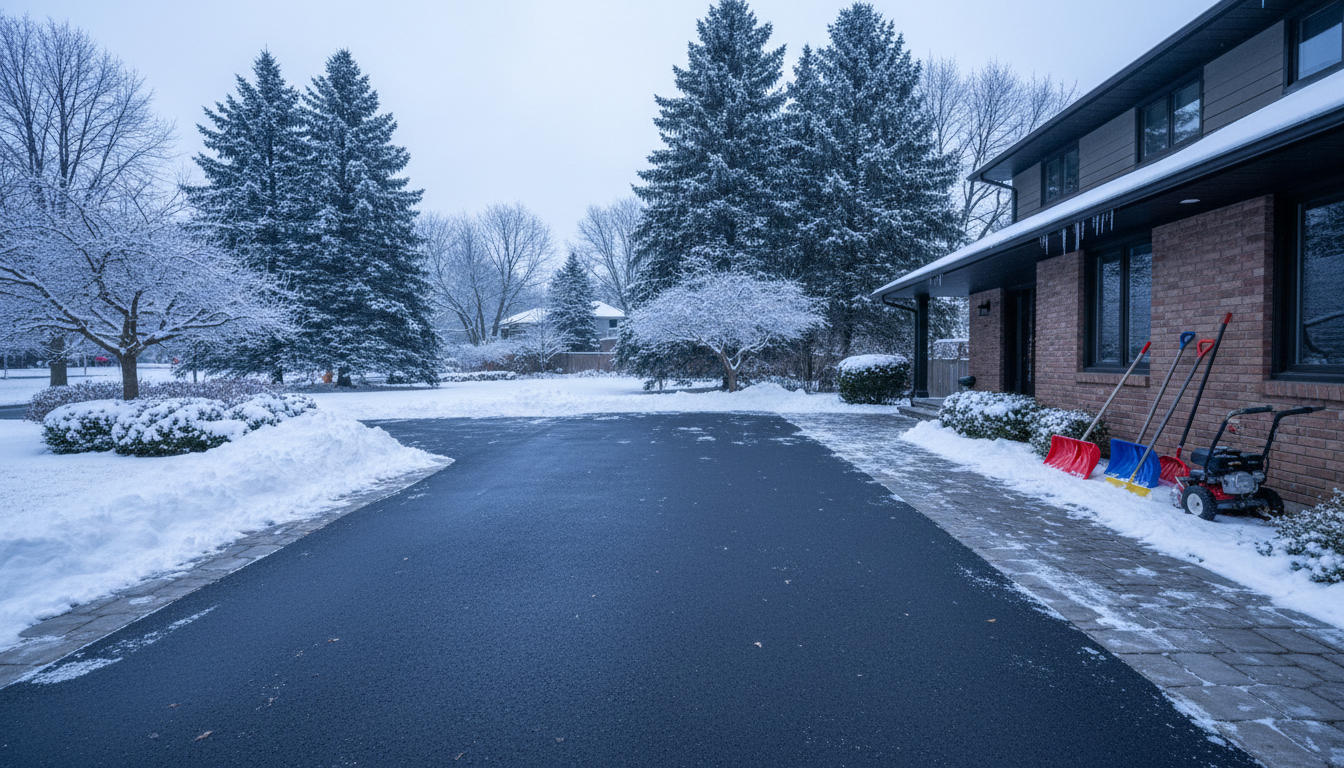
Successful ice dam prevention Utah residents can achieve involves balancing attic ventilation and insulation to ensure the roof surface stays at a consistent, cold temperature. Homeowners should also remove heavy snow accumulation and consider installing heat cables or waterproof membranes to stop moisture from backing up under shingles. These proactive measures prevent common winter issues like structural sagging, leaks, and shingle loss.
As a Utah homeowner, you know the sight of heavy icicles hanging from your eaves is not a winter decoration; it is a warning sign of structural distress. Ice dams are a persistent threat in Northern Utah, where fluctuating temperatures and heavy snowfall combine to trap water under your shingles, eventually leading to costly interior leaks and compromised roof integrity. At Anders Roofing, we understand that effective prevention requires a sophisticated approach beyond simple snow removal. This guide provides a deep dive into the science of ice dams within our unique mountain climate. You will learn about the critical balance between attic ventilation and insulation, essential maintenance routines to implement before the first storm hits, and the advanced products designed to keep your roof clear. By understanding these professional strategies, you can protect your property from the elements throughout the harshest winter months.
The Science of Ice Dams in the Utah Climate
In Box Elder County, the mechanics of ice damming are driven by a specific interplay between solar radiation and thermal heat loss. An ice dam occurs when the upper portion of a roof deck reaches temperatures above freezing while the eaves remain below 32 degrees Fahrenheit. This temperature imbalance causes snow to melt at the higher points of the roof; the resulting water then flows down the slope until it reaches the overhang, where it refreezes into a ridge of ice. As this cycle repeats, the ridge grows, trapping liquid water behind it. This trapped water eventually finds its way under shingles and through the roof deck, leading to internal rot and leaks.
For effective ice dam prevention Utah residents must understand the difference between a cold roof and a warm roof. A normal roof in a cold climate should ideally stay within a few degrees of the outdoor air temperature. When a home suffers from poor attic insulation or restricted ventilation, conditioned air from the living space escapes into the attic. This creates a hot spot that melts the bottom layer of snow regardless of the outdoor temperature. Northern Utah's unique geography complicates this further. High elevation sun can melt snow on south facing slopes even in sub freezing air, while canyon winds create massive snow drifts in valleys and roof crickets. These uneven drifts act as reservoirs for meltwater, fueling faster dam growth in shaded or wind protected areas. Homeowners seeking professional residential roofing services often find that these regional wind patterns dictate where the most significant damage occurs.
Attic Ventilation and Insulation: The Dual Defense
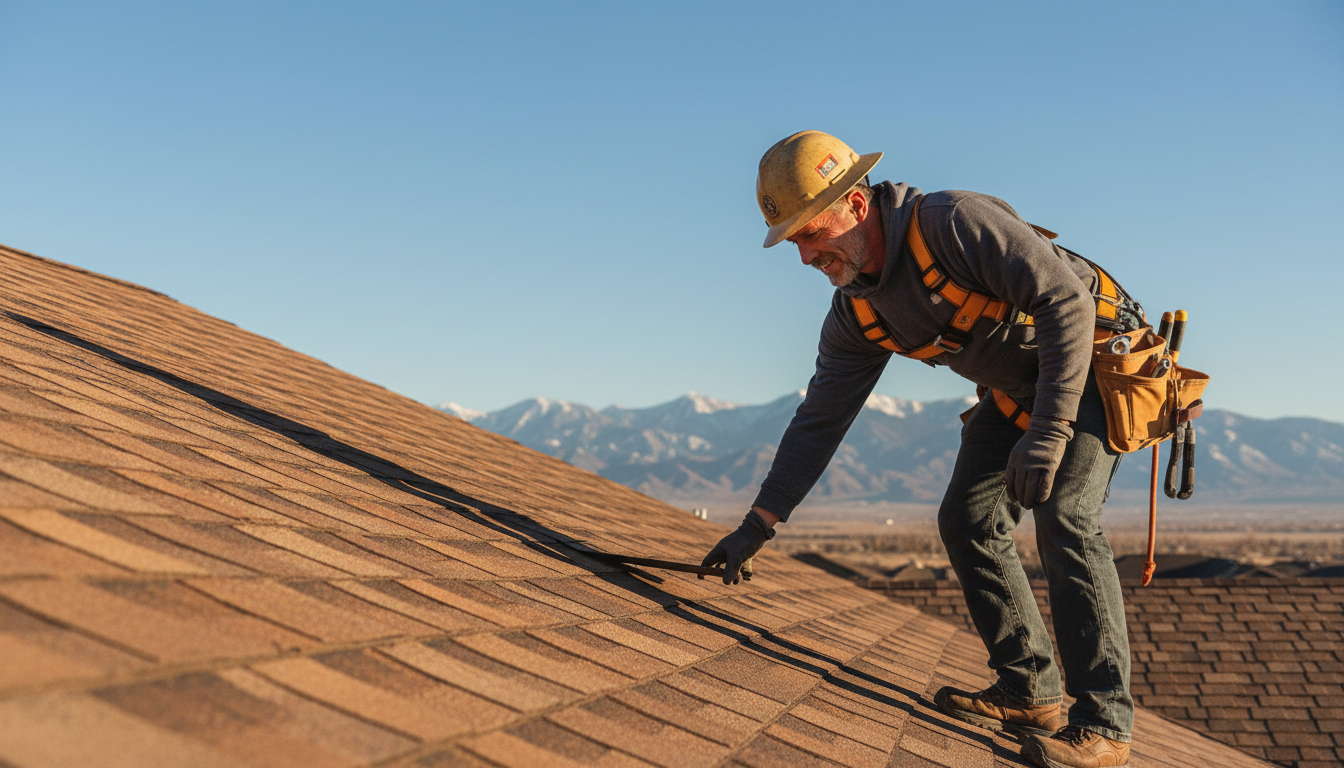
Achieving a cold roof deck requires a precise balance between two internal systems: ventilation and insulation. We focus on creating a steady stream of ambient outdoor air moving through the attic space to prevent heat buildup. This is achieved through balanced ventilation, which utilizes intake vents at the soffits and exhaust vents at the ridge or highest point of the roof. As cool air enters the soffits, it rises and pushes warmer air out through the ridge, ensuring the underside of the roof deck remains close to the exterior temperature even when the sun is hitting the shingles.
Insulation acts as the primary barrier, preventing conditioned air from the living space from migrating into the attic. When insulation is insufficient, compressed, or contains gaps, heat escapes into the attic and creates the temperature imbalance that triggers the melt-freeze cycle. For effective ice dam prevention attic ventilation insulation must work in tandem; ventilation removes the residual heat that insulation fails to stop. Without this synergy, even the thickest shingles cannot prevent ice from forming.
Per Utah building codes, we install ice and water shields along the eaves and in valleys. This self-adhering waterproof membrane is a critical secondary defense that prevents water from penetrating the roof deck when a dam does form. However, code compliance is only one part of the solution. Homeowners can identify potential system failures by looking for hot spots. During a cold snap, check the attic for localized frost on the underside of the plywood or look at your roof after a light snow; areas where snow melts faster than the rest of the slope indicate significant heat loss.
During a professional inspection for residential roofing services, we evaluate the R-value of your current insulation and check for blocked soffit vents, which are often covered by stray blown-in insulation or nesting debris. To learn more about our local expertise in managing the thermal challenges of Box Elder County, contact Anders Roofing for a detailed attic and ventilation assessment.
Essential Maintenance Tasks to Prevent Snow Damage
While internal systems regulate temperature, external maintenance ensures that meltwater has a clear path off the roof. The foundation of gutter ice dam prevention starts with a thorough cleaning after the last leaves have fallen in Box Elder County. If gutters are filled with debris, meltwater pools and freezes instantly at the cold metal edge. This frozen mass creates a shelf that allows ice to climb back up the roof deck much faster than it would on a clean surface, effectively bypassing the protection of your drip edge.
A tactical maintenance routine should include the following steps before the first heavy snow: - Clear all organic debris from gutters and downspout openings to ensure unimpeded flow. - Verify that downspouts direct water away from the foundation to prevent freezing and ice heaving at the base. - Inspect gutter spikes and brackets to ensure they are securely fastened and capable of handling the weight of heavy, wet snow.
When snow accumulates, roof raking becomes a critical tool for ice dam prevention Utah homeowners can manage themselves. Using a telescoping roof rake while standing safely on the ground, remove the bottom three to four feet of snow from the eaves. This removes the fuel for the dam, ensuring that if melting does occur at the ridge, the water hits a cold, bare surface rather than a snowbank at the overhang.
Avoid common DIY mistakes that cause permanent damage. Never use a hammer or hatchet to chip away at existing ice, as this easily punctures shingles and weakens the roof deck. Similarly, avoid spreading rock salt, which corrodes aluminum gutters and kills surrounding landscaping. If you discover a significant blockage or heavy ice buildup, it is safer to contact Anders Roofing for professional assistance rather than risking shingle loss through aggressive manual removal.
Advanced Roof Ice Dam Prevention Products for Utah Homes
When maintenance and insulation reach their limits, specific roof ice dam prevention products can provide the extra defense needed for Northern Utah’s heavy snow loads. Heat cables, often called de-icing cables or heat tape, are the most common addition. These systems create heated channels that allow meltwater to reach the gutter even if the rest of the eave is frozen. While highly effective for problem spots, cables are typically a bandage solution. They address the symptom of standing water rather than the root cause of heat loss. They are, however, indispensable for complex roof geometries where deep valleys or north facing dormers naturally collect more snow than ventilation alone can manage.
For homeowners considering structural versus electrical solutions, the following table outlines the trade-offs:
Solution | Pros | Cons |
|---|---|---|
Heat Cables | Immediate relief for ice-prone valleys; prevents gutter freezing. | Ongoing electricity costs; unsightly cables; requires annual testing. |
Structural Fixes | Permanent solution; lowers energy bills; increases roof lifespan. | Higher upfront cost; requires attic access or roof removal. |
High-Temp Membranes | Self-seals around fasteners; provides a secondary waterproof layer. | Must be installed during shingle replacement; does not prevent ice formation. |
Specialized attention is required for metal roof ice dam prevention. While metal sheds snow more efficiently than asphalt, it is prone to massive snow slides that can rip gutters off or create dangerous piles at the base. In these cases, we install snow guards to hold the pack in place, allowing it to melt gradually. Even with metal, ice can still form at the very edge if heat is escaping from the attic.
Before investing in expensive electrical systems, contact Anders Roofing to determine if your home requires residential roofing services focused on structural improvements first. Integrating high-performance membranes and targeted heat systems ensures your home remains protected through the harshest Box Elder County winters.
How to Spot Snow and Ice Damage After a Storm
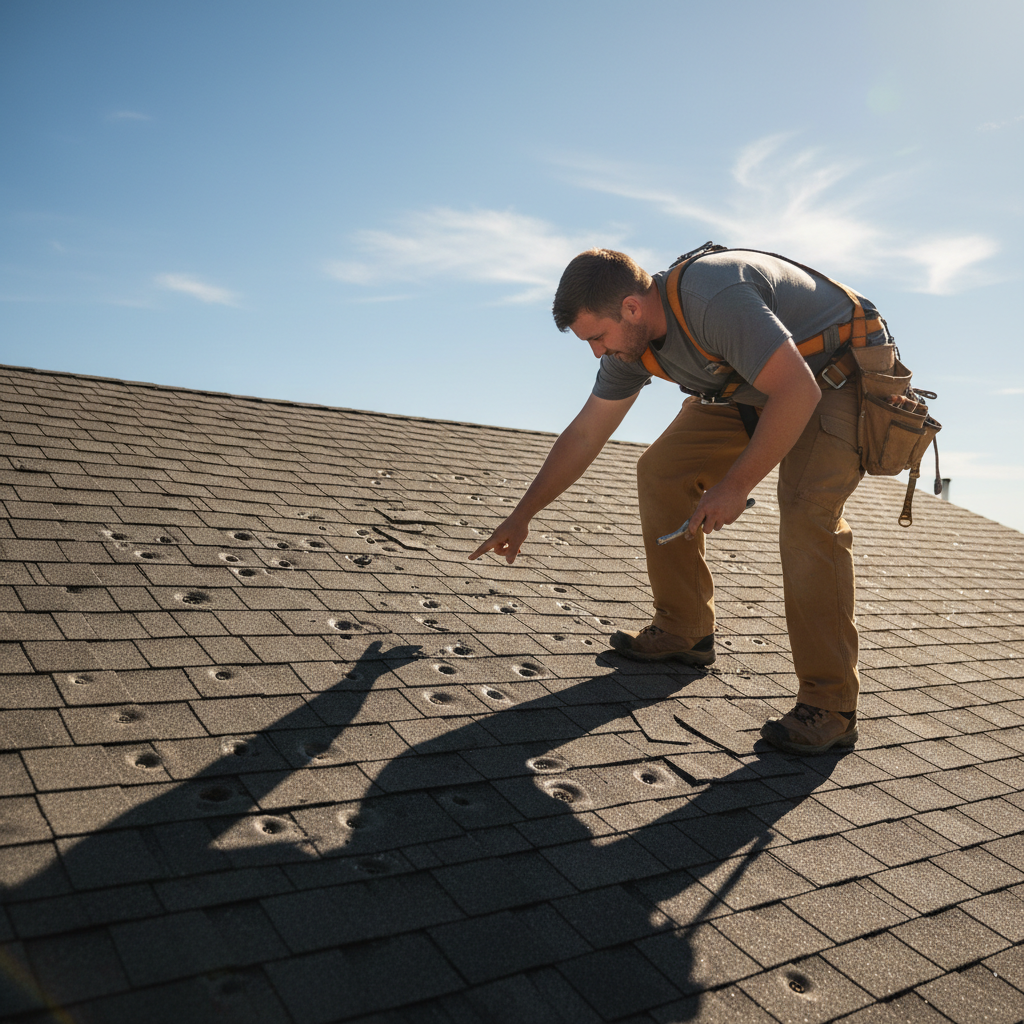
Identifying Utah snow damage roof signs requires a systematic approach, starting from the interior of the home where the first symptoms of a failing system often appear. Water stains on ceilings or yellowing in upper floor corners are immediate red flags that suggest a breach. Look for sagging drywall in the ceiling, which often indicates that moisture has saturated the material or that a heavy snow load is straining the structural rafters. In the attic, inspect for frost on the underside of the roof deck or damp insulation; both indicate that meltwater is bypassing the shingles and entering the thermal envelope.
Outside, observe the gutters closely. While icicles hanging from the gutter edge are common, icicles forming behind the gutter, between the metal and the fascia board, indicate that water is backing up under the drip edge. This usually means an ice dam has already penetrated the primary defense layers. Watch for shingles that appear curled or lifted at the eaves, as expanding ice physically pries the material upward and compromises the seal. Granules visible in the snow melt at the base of downspouts are another sign of accelerated shingle wear caused by the abrasive movement of ice.
The most insidious damage is often invisible from the ground. As water freezes and expands under the shingles, it can cause nail pops, where the fasteners are slowly pushed out of the wooden deck. This creates direct entry points for leaks during the next thaw. Because these issues occur under the snowpack or at heights that are dangerous to navigate in winter, professional residential roofing services are necessary to verify the system integrity. We understand how the specific climate of Box Elder County affects materials over time; you can learn more about our local expertise in identifying these subtle failures before they lead to costly interior repairs.
Common Questions About Ice Dam Prevention
Homeowners in Box Elder County frequently ask about the financial and structural realities of winter maintenance. A common concern is whether insurance covers ice damming. Most policies cover the resulting interior damage, such as ruined drywall or water stains, but they typically do not cover the cost of professional ice removal or the preventative upgrades required to stop dams from forming. This makes proactive ice dam prevention Utah residents invest in a necessary step to protect long term property value.
Another frequent question involves icicles. Small, needle like icicles are often just a result of sun melting snow on a cold day. However, thick, heavy ice blocks that fill the gutter or form behind the fascia are red flags. These formations suggest significant heat loss from the living space into the attic. When ice begins to bridge the gap between the roof and the gutter, it is no longer a cosmetic issue but a sign of a failing thermal envelope.
We also caution against DIY attic modifications, specifically regarding spray foam. Applying spray foam without a professional plan can seal off soffit vents, trapping moisture against the roof deck and causing mold or wood rot. High quality residential roofing services ensure that insulation never compromises airflow. If you are unsure about your attic’s current setup, you can learn more about our local expertise or contact Anders Roofing to discuss a professional assessment before the next storm hits.
Why a Professional Pre-Winter Inspection is Vital
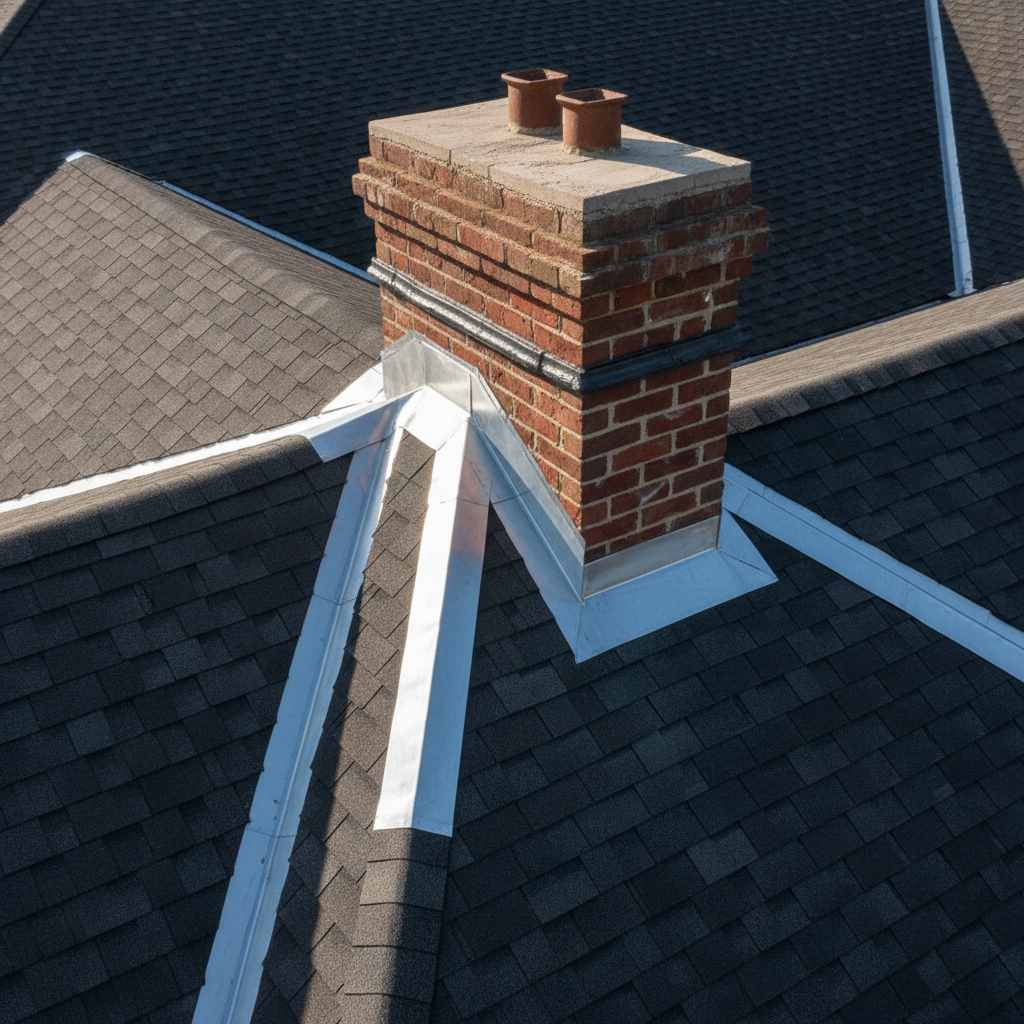
A thorough pre-winter assessment is the final step in a comprehensive strategy for ice dam prevention Utah homeowners can rely on. While visual checks from the ground catch obvious failures, a professional inspection uncovers subtle issues like flashing separation at chimneys or valley junctions. These small gaps allow wind driven snow to bypass the primary roofing material, leading to rot that remains hidden until spring. We also evaluate the integrity of the underlayment, which often weakens after multiple winters of expansion and contraction.
Serving Box Elder County means understanding how local micro-climates affect different roof types. A professional execution ensures that your home is prepared for the high snow loads and shifting temperatures unique to the region. By identifying weakened shingles or compromised seals before the first freeze, you prevent the cycle of damage before it starts. For a detailed evaluation of your system's winter readiness, you can learn more about our local expertise or contact Anders Roofing to schedule your residential roofing services.