A comprehensive Utah roof maintenance checklist involves clearing gutters, trimming overhanging branches, and inspecting shingles for damage after major winter or hail storms. Homeowners should also prioritize proper attic ventilation and use roof rakes to safely remove snow buildup to prevent ice dams. Regularly performing these seasonal inspections identifies minor leaks early and significantly extends the lifespan of the roofing system.
Utah homeowners understand that our local climate is uniquely punishing on a residential structure. Between the intense UV radiation of the high desert summer and the heavy, repetitive freeze and thaw cycles of winter, your roof remains in a constant state of environmental stress. Ignoring these conditions often results in minor issues evolving into expensive, emergency repairs. At Anders Roofing, we advocate for a disciplined, proactive approach to ensure your home stays protected year after year. This guide outlines a strategic maintenance checklist tailored specifically for the Utah landscape. We will explore essential seasonal tasks, from clearing debris in the fall to managing snow loads in the winter. You will also discover how to apply the 20 to 30 percent rule to determine if your roof requires a professional tune up or a complete replacement.
Why Utah Homeowners Need a Strategic Roof Maintenance Plan
Utah's climate puts extraordinary stress on roofing systems. In Box Elder County and along the Wasatch Front, roofs must withstand heavy snow loads and intense high-altitude UV rays that can bake shingles until they become brittle. Perhaps most challenging is the freeze-thaw cycle, where temperatures often swing 40 degrees in a single day. This rapid fluctuation causes roofing materials to expand and contract, which can compromise seals and loosen fasteners over time.
Implementing a strategic Utah roof maintenance checklist is about more than just aesthetics or cleaning out gutters; it is a vital practice for protecting the structural integrity of your property. Small gaps that appear during a spring thaw can quickly turn into major leaks during a winter storm. Water that finds its way under shingles during the day can freeze at night, expanding and prying materials apart.
At Anders Roofing, we prioritize practical, long-term solutions for homeowners, property managers, and local businesses. Our approach focuses on quality workmanship and clear communication to ensure your roof system endures Utah’s varied weather. By offering reliable residential roofing services and specialized commercial roofing expertise, we help clients avoid premature replacements. You can learn more about Anders Roofing and our dedication to professional execution in the sections that follow, starting with how to handle the critical transition from winter to spring.
Spring: Post-Winter Assessment and Storm Preparation
Spring marks the most critical period for your Utah roof maintenance checklist. As snow melts in Box Elder County, you need to identify exactly what the winter storms left behind. Start with a ground level walk around. Look for shingles that have been lifted or creased by high winds, or edges that show signs of prying from heavy ice dams. These small openings are prime targets for the driving rains typical of a Utah spring.
Next, examine your gutter system. While clearing out debris, look for a heavy accumulation of granules. These small, sandpaper like particles provide the primary UV protection for your shingles. If you see significant shingle sand in the troughs, it indicates the asphalt is aging and becoming vulnerable. This is a common sign that the roof system is losing its protective layer and may require professional attention to maintain reliable residential roofing services.
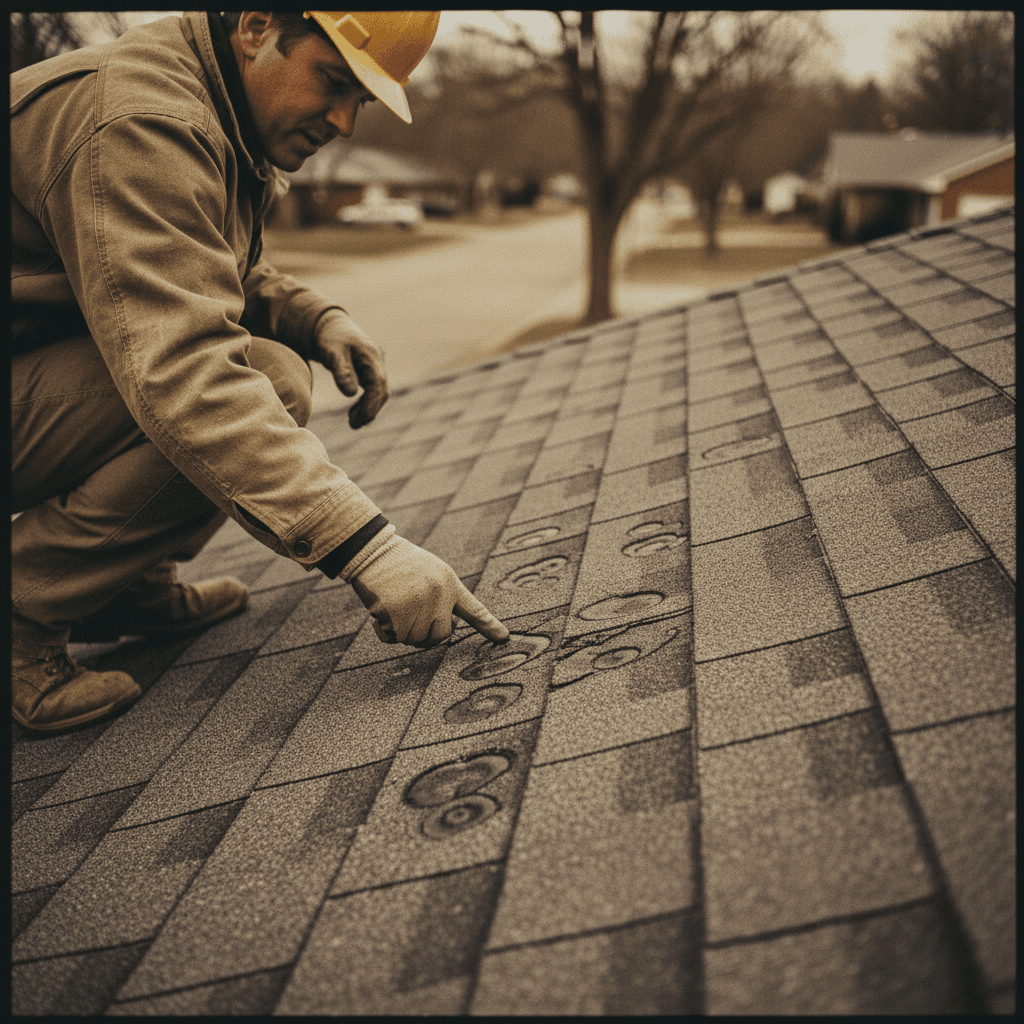
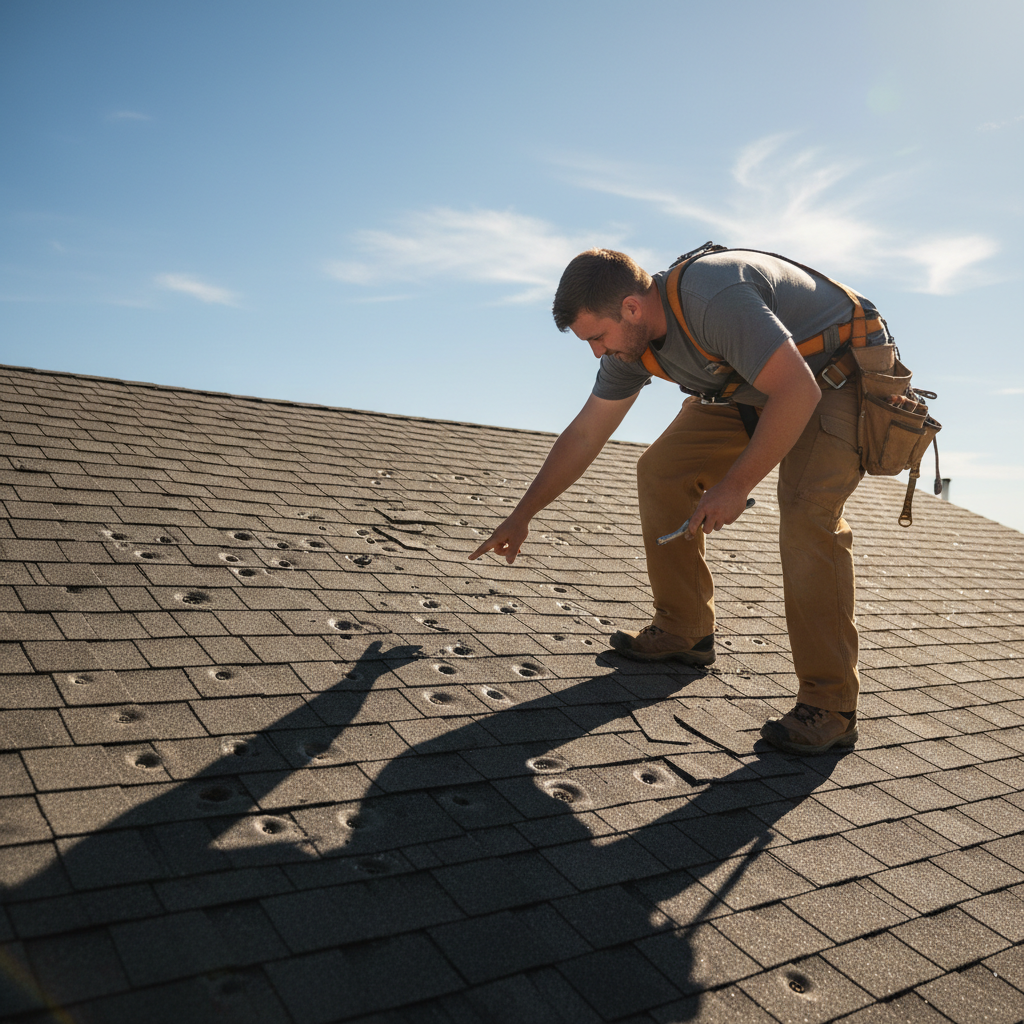
Inside the home, check the attic for water stains or damp insulation. Some leaks only manifest during the spring thaw when large volumes of meltwater move across the roof deck at once. Additionally, keep an eye out for bruising on shingles after early spring hailstorms along the Wasatch Front. These are small, dark, circular depressions where the granules have been knocked away by impact. Unlike wind damage, bruising can be subtle but leads to rapid deterioration by exposing the underlying bitumen to the sun. Identifying these issues early is a core part of our approach to commercial roofing expertise and residential care, ensuring minor storm damage does not evolve into a structural failure.
Summer: UV Protection and Ventilation Checks
As Utah moves into the peak of summer, your Utah roof maintenance checklist shifts from moisture management to heat mitigation. During July, when temperatures frequently exceed 90 degrees, high-altitude UV radiation effectively bakes asphalt shingles. This intense exposure causes the essential oils in the bitumen to evaporate, leaving the materials brittle and prone to cracking under the slightest physical stress.
Proper attic ventilation is your primary defense against this thermal degradation. While generic online guides might offer nine tips for summer care, the most critical factor for Box Elder County residents is ensuring that soffit and ridge vents remain completely unobstructed. When an attic traps stagnant heat, temperatures can soar to 150 degrees, cooking the shingles from the underside and forcing your air conditioner to work significantly harder. Maintaining consistent airflow is a key component of our reliable residential roofing services, as it directly lowers cooling costs and prevents premature shingle aging.
Finally, inspect the property perimeter for tree growth. We recommend trimming branches so they are at least six feet away from the roof surface. In the high winds common along the Wasatch Front, overhanging limbs can scratch away protective granules or provide a direct bridge for rodents seeking shade. This proactive step, combined with our commercial roofing expertise, ensures your property remains protected throughout the hottest months.
Fall: The Ultimate Winter Readiness Checklist
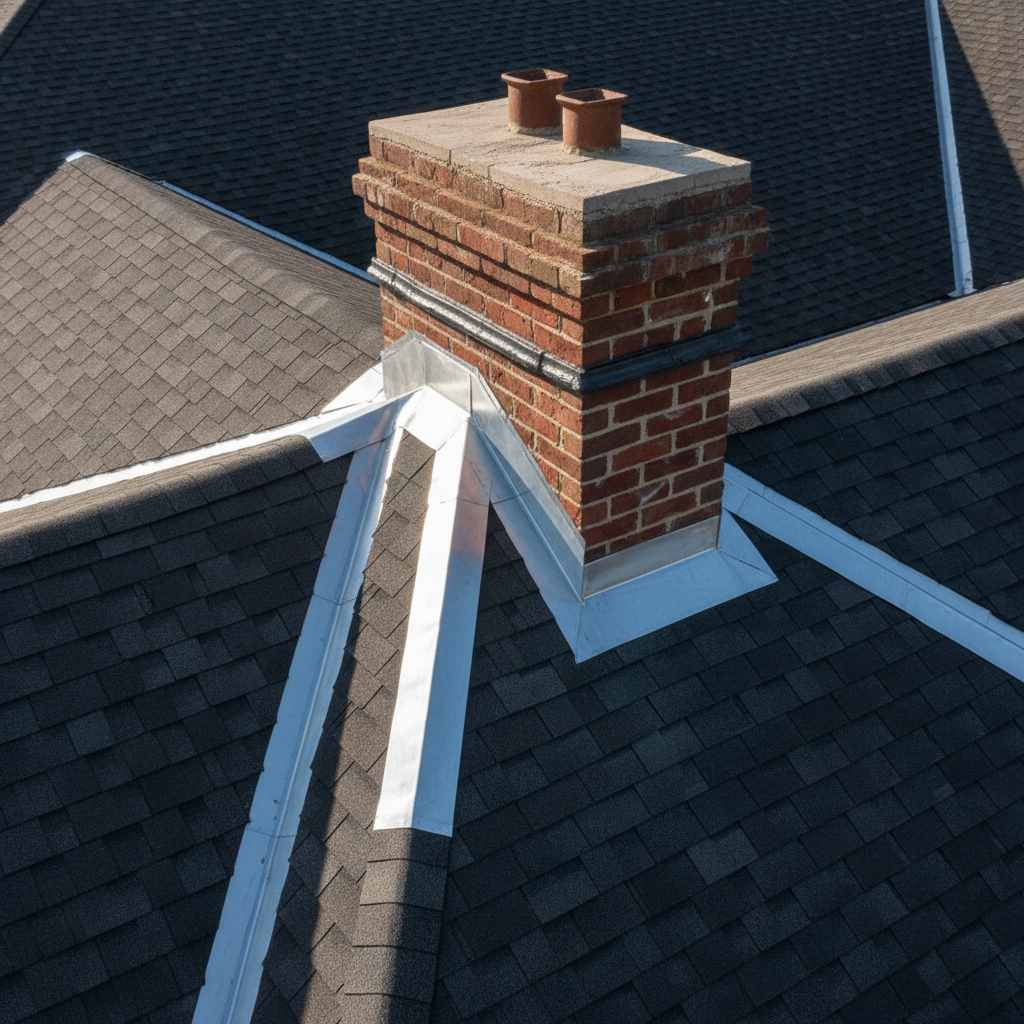
As temperatures drop in Box Elder County, the fall window provides the final opportunity to fortify your home against the heavy snow loads typical of Northern Utah. This phase of your Utah roof maintenance checklist focuses on sealing the building envelope to prevent water intrusion and ice formation. Start by clearing all debris from gutters and downspouts. Even a small blockage can cause water to back up and freeze, leading to gutter failure under the weight of ice. Inspect the flashing around chimneys and valleys, and check the rubber pipe boots for signs of dry rot or cracking. Small gaps in these areas are prime locations for leaks during the upcoming freeze-thaw cycles.
Verification of your attic insulation is equally critical. For Utah homes, the standard recommendation is R-49 insulation. This level of thermal resistance keeps heat within the living space rather than allowing it to migrate to the roof deck. When heat escapes into the attic, it melts the underside of the snow pack; this water then refreezes at the cold eaves, creating damaging ice dams. Ensuring your insulation meets these standards is one of the most effective ways to prevent structural strain.
Finally, inspect chimney mortar for hairline cracks. If water enters these gaps and freezes, it expands and can eventually compromise the entire masonry structure. If your property utilizes heat cables to manage runoff, test them now to ensure they are heating correctly before the first blizzard. At Anders Roofing, we apply our commercial roofing expertise to ensure every penetration is watertight. If you notice deteriorating seals or inadequate insulation, our team provides reliable residential roofing services to secure your home before winter arrives.
Winter: Monitoring Snow Loads and Preventing Ice Dams
Once the snow settles across Box Elder County, the winter phase of your Utah roof maintenance checklist shifts to vigilant observation. Safety is paramount during these months; you should never climb onto a snow-covered roof. The risk of a fall is high, and hidden ice patches beneath the snow make footing unpredictable. Instead, manage heavy accumulation from the ground using a long-handled roof rake. Focus on clearing the first three feet of the roof edge. Removing this perimeter snow prevents the initial buildup that leads to ice dams without requiring you to clear the entire slope.
Monitor your eaves for thick ridges of ice or large icicles, which are primary indicators of an active dam. If you notice water stains appearing on interior ceilings or walls near the exterior of the home, it is a red flag that water is already backing up under the shingles. At this stage, trying to chip away the ice yourself can cause significant shingle damage. This is the moment to contact Anders Roofing for reliable residential roofing services. Our team uses specialized methods to safely mitigate ice dams without compromising the roof system's structural integrity. For larger facilities, our commercial roofing expertise ensures that heavy snow loads do not lead to deck deflection or structural failure during prolonged storms.
Repair vs. Replacement: The 20 to 30 Percent Rule
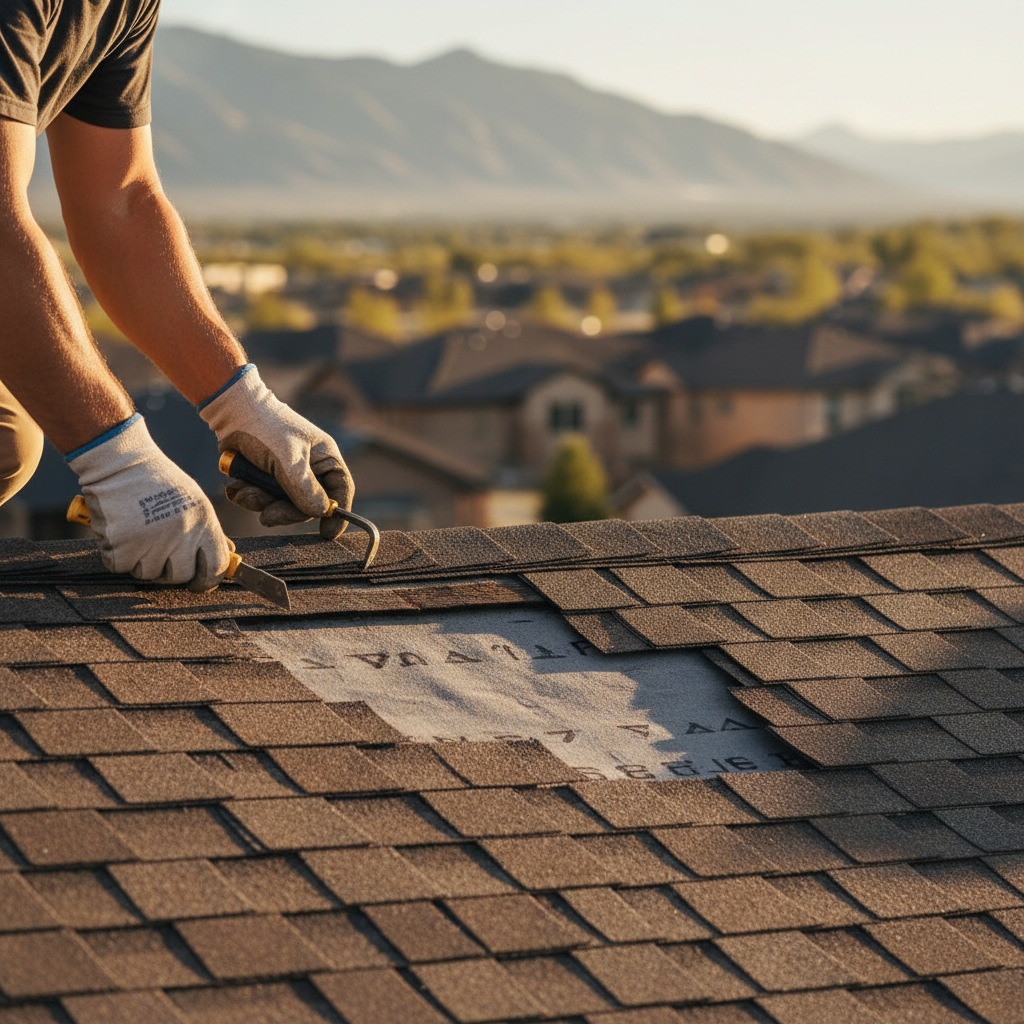
Deciding between targeted repairs and a complete replacement often comes down to the 20 to 30 percent rule. If a quote for fixing localized damage, such as storm-induced shingle loss or failing valley flashing, exceeds 30 percent of the cost of a full replacement, investing in a new roof system is generally the more practical financial choice. Patchwork on an aging roof often fails to address underlying structural wear, leading to a cycle of mounting costs.
Utah homeowners should also understand the implications of Utah Administrative Code R590-190. This regulation, often called the matching rule, requires insurance companies to provide a reasonably uniform appearance when repairing property damage. If the original shingles are no longer manufactured or have faded to the point where new materials create a glaring visual mismatch, the insurer may be responsible for replacing larger sections or the entire roof surface.
Consistent adherence to a Utah roof maintenance checklist provides the documentation necessary to navigate these insurance discussions. Clear records of professional inspections and minor repairs demonstrate that the roof was well-maintained prior to a storm event. Anders Roofing provides reliable residential roofing services that include thorough assessments to help you determine which path is most cost-effective. By leveraging our commercial roofing expertise, we ensure your roof remains a durable asset rather than a recurring liability.
Professional Roof Tune-Ups: Beyond the DIY Checklist
While a homeowner can identify obvious issues using a Utah roof maintenance checklist from the ground, a professional assessment goes much deeper. From the lawn, you might spot a missing shingle; from the ridge, a technician identifies micro-cracks in neoprene pipe boots and nail pops that have not yet caused a visible leak but will fail during the next heavy snow. These small defects are often invisible to the untrained eye until they become costly repairs.
A professional tune-up is a proactive strike against Utah’s climate. This process includes resealing all roof penetrations, such as vents and chimney flashing, with high-grade solar-resistant sealants. We secure loose shingles that shifted during high-wind events and meticulously inspect valleys. Valleys often harbor hidden leaks where debris traps moisture against the metal, causing slow, internal rot that is impossible to detect from the safety of a ladder.
By choosing Anders Roofing, you benefit from our commercial roofing expertise applied to your property. We focus on quality workmanship and clear communication, ensuring residents from Box Elder County through the Wasatch Front understand the exact condition of their system. Our reliable residential roofing services aim to extend roof life through precise execution. You can learn more about Anders Roofing and our commitment to durable, long-term solutions for every Utah home.
Consistent maintenance is the primary way to protect your investment and keep your Utah home safe from the elements. While following a seasonal checklist can resolve many issues early, some homeowners prefer the peace of mind that comes with a professional inspection. If you want expert help managing your roof’s health throughout the year, feel free to look through our available services. We are happy to assist with any maintenance needs to ensure your roof remains in peak condition for years to come.