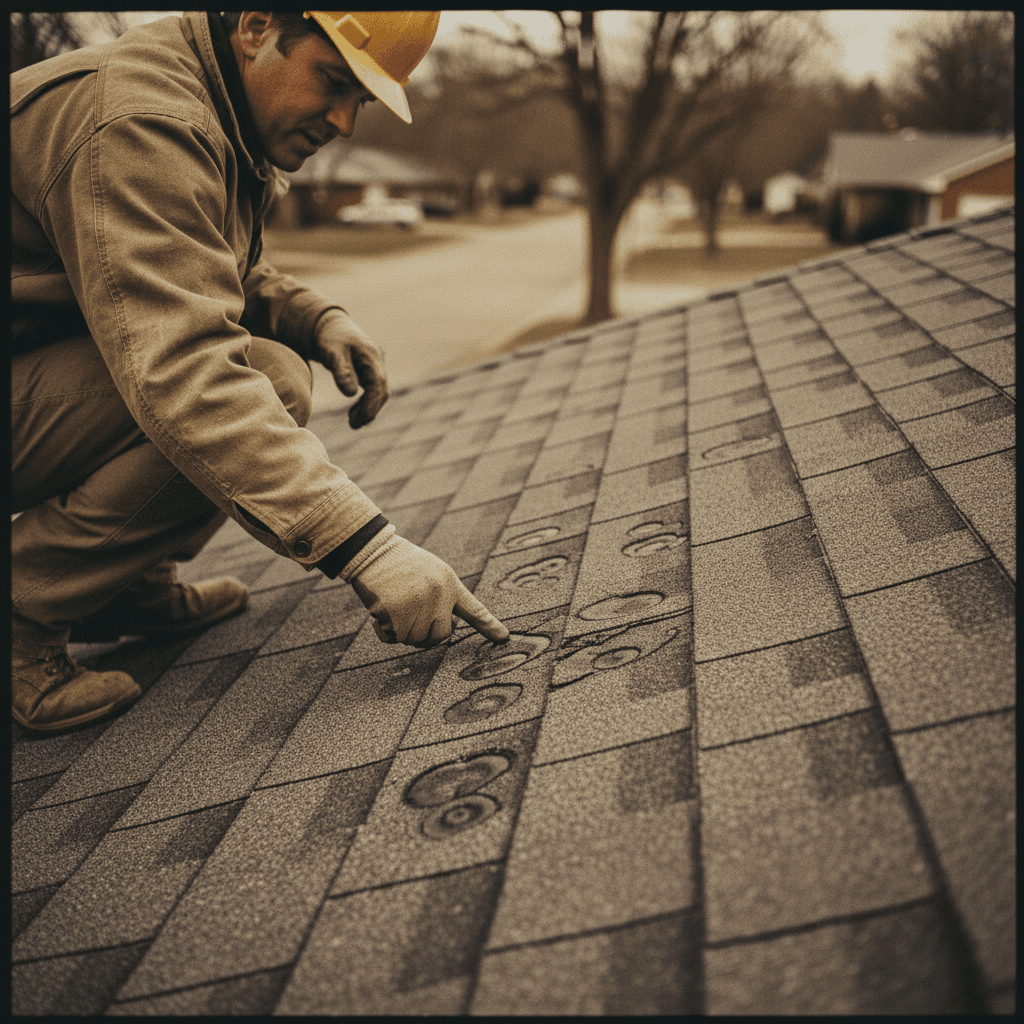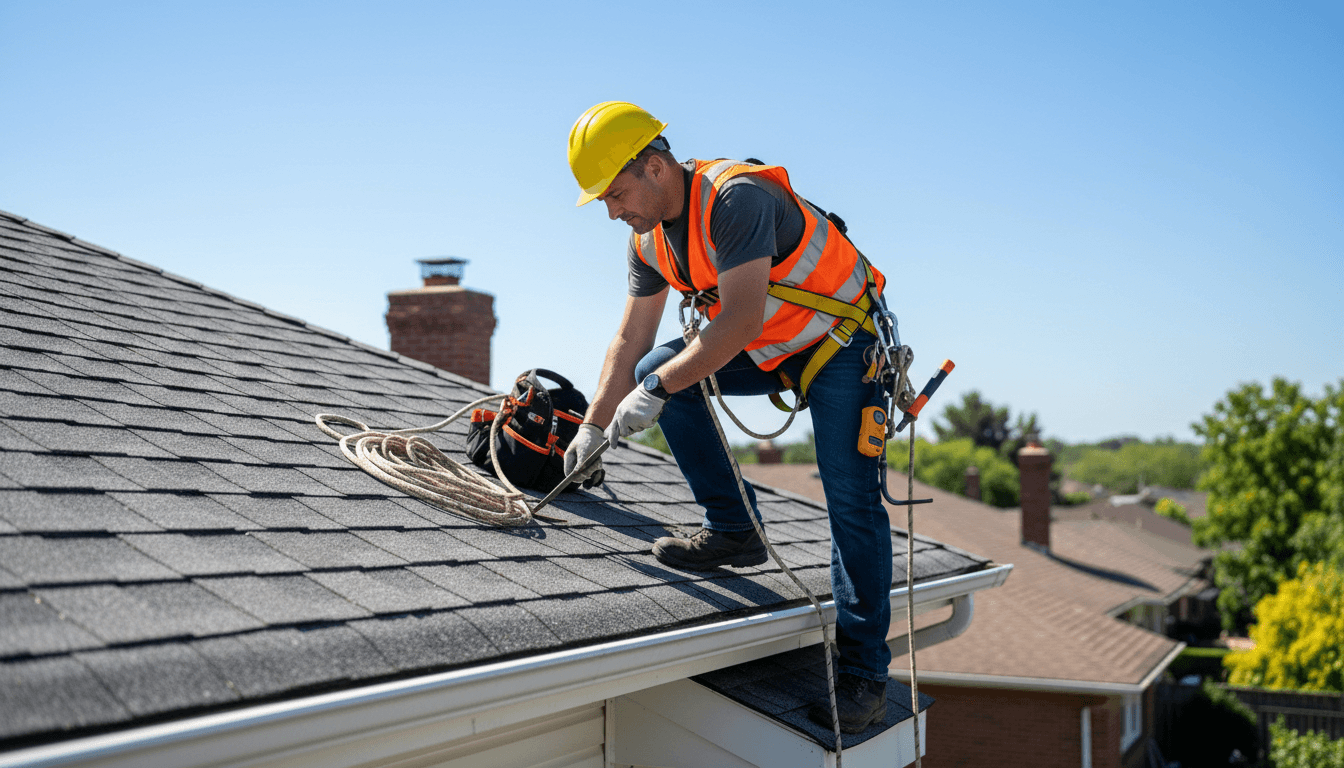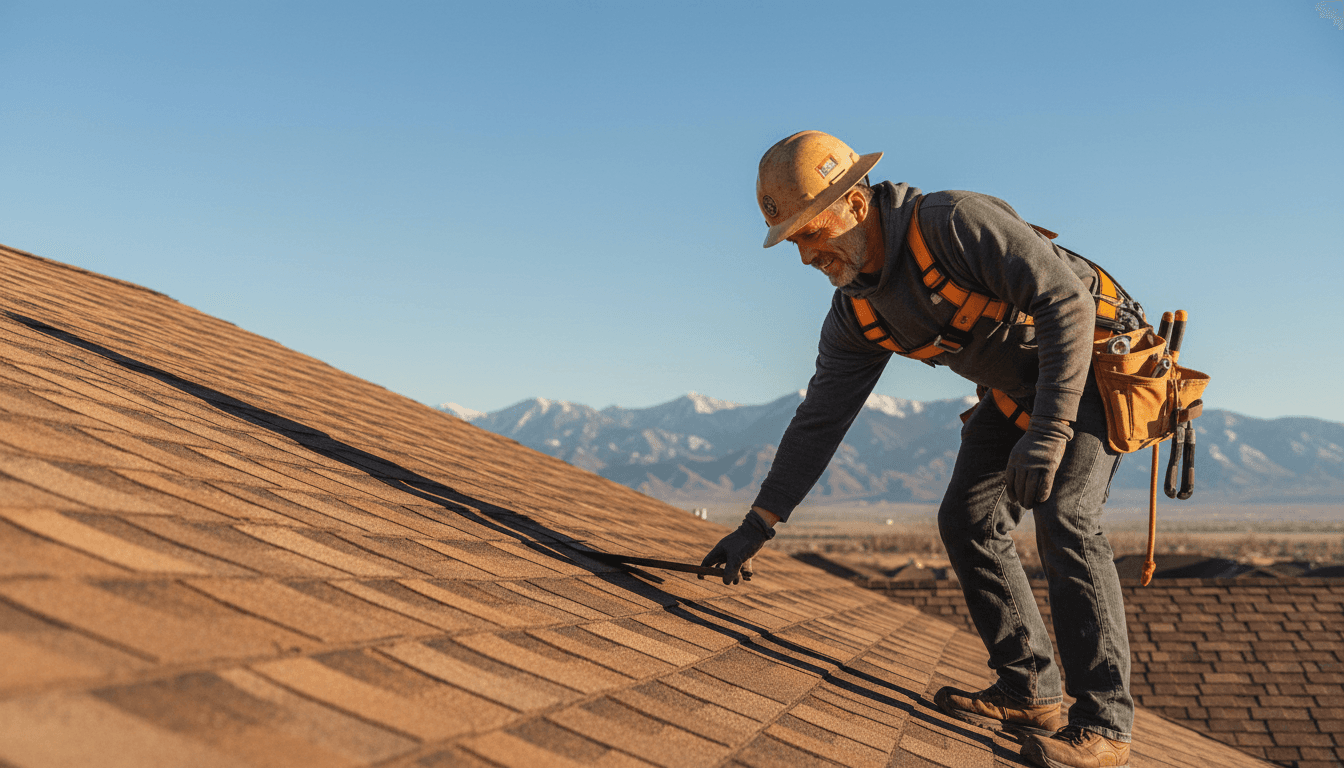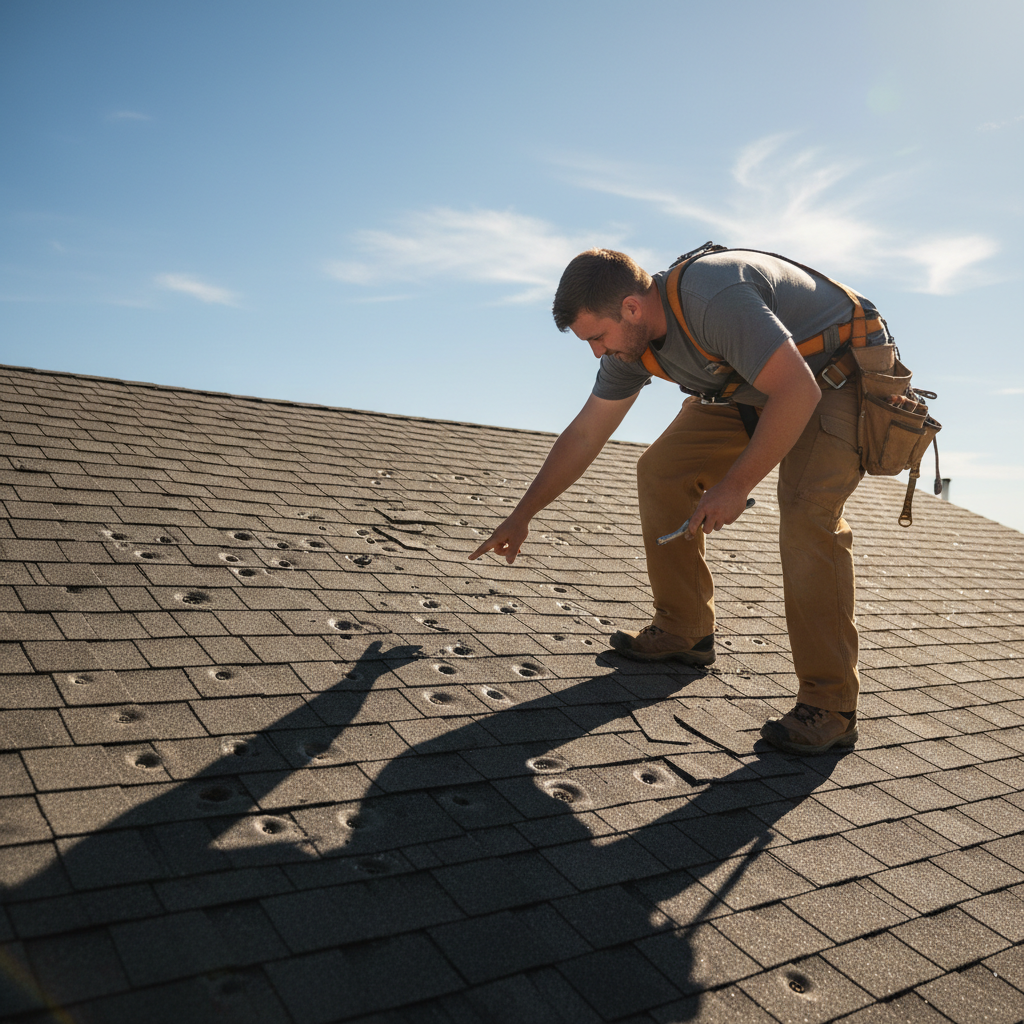
Roof wind damage Utah often manifests as missing shingles, granule loss, and lifted edges that compromise the home's protective barrier. Most standard homeowners insurance policies cover these repairs; property owners should document damage and file claims immediately to prevent further interior water issues. Regular inspections are essential for identifying hidden problems like creased shingles or damaged flashing before they require a full roof replacement.
From the sudden gusts funneling through the Wasatch canyons to the relentless desert winds, Utah homeowners know that a severe storm is more than just a temporary inconvenience. High winds often leave behind silent, structural compromises that threaten the long term integrity of your property. If you have noticed missing shingles or feel uneasy after a recent storm, ignoring these signs can lead to costly water damage and premature roof failure. At Anders Roofing, we understand that navigating repairs and insurance claims in Box Elder County requires a combination of technical precision and local regulatory knowledge. In this guide, we will examine the critical signs of wind damage, explain Utah’s specific 25 percent replacement rule, and provide practical advice on managing insurance adjusters to ensure your home remains fully protected against the elements.
Understanding Utah Wind Patterns and Your Roof
In Utah, wind is more than a seasonal inconvenience; it is a primary driver of roof degradation. The Wasatch Front is famous for powerful canyon winds that funnel through mountain passes at high velocities, often hitting homes and businesses in Box Elder County with concentrated force. These gusts create a lift effect that stresses every component of a roofing system, from the shingles to the underlying decking.
One of the most challenging aspects of roof wind damage Utah homeowners face is its subtlety. A roof may look intact from the sidewalk, yet have broken adhesive seals or micro-fractures in the shingles. When the sealant bond fails, wind can lift shingles just enough to allow rain to drive underneath, leading to wood rot and compromised insulation long before a leak appears in the ceiling.
It is essential to distinguish between localized shingle displacement and significant structural compromise. While a few lifted tabs might be addressed through targeted repairs, widespread uplift suggests the entire system has lost its integrity. If these issues are ignored, the recurring stress from Utah gusts can eventually weaken the roof's structural frame. For property owners managing large-scale assets, our commercial roofing services address these vulnerabilities using high-wind installation techniques. If you suspect your home has been affected by recent storms, you can contact Anders Roofing for a professional evaluation of your roof's condition.
7 Visible Signs of Roof Wind Damage to Look For
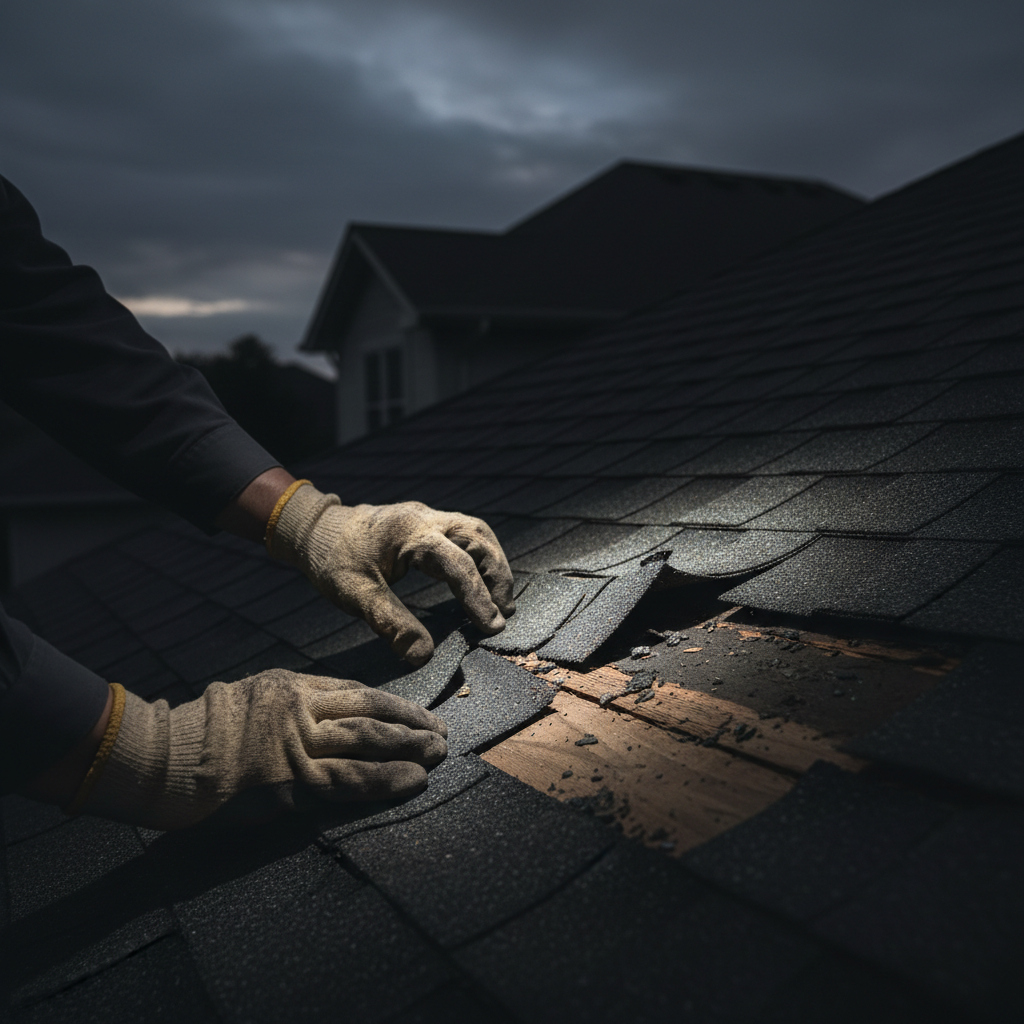
Identifying roof wind damage Utah homeowners may face involves looking beyond just missing shingles. Because Utah winds often hit at varying angles, the symptoms can range from obvious gaps to highly technical failures in the sealant bond. Recognizing these signs early is the most effective way to maintain reliable residential roofing services and avoid costly interior repairs.
Missing or lifted shingles: High winds crossing the ridge or eaves create a vacuum effect. As air moves rapidly over the roof surface, it creates a zone of low pressure that pulls shingles upward. If the sealant bond is weak, the wind can physically rip the shingle away or leave it permanently lifted.
Horizontal creases: When a shingle is lifted but not fully detached, it often flaps violently before settling back down. This action creates a distinct horizontal crease across the top of the shingle tab, indicating that the fiberglass mat inside has been fractured.
Granule loss in gutters: Heavy wind events scrub the protective mineral granules off the shingle surface. If you notice an accumulation of sand-like material in your downspouts, your roof has lost its primary defense against UV radiation, which leads to accelerated aging and brittleness.
Damaged flashing or roof edges: Wind naturally seeks out the edges of a roof system. It can peel back the metal flashing around chimneys and vents, or lift the starter strips along the eaves, leaving the underlying wood deck vulnerable to water intrusion.
Soffit and fascia damage: These components act as a barrier against wind entering your attic. Cracks, loose panels, or missing sections of fascia suggest that wind has pressurized the underside of your roof, which can lead to catastrophic uplift.
Indoor water stains: Leaks often manifest at points where wind has lifted shingles or compromised the flashing. If you see yellow or brown staining on your ceiling after a windstorm, it is a sign that the secondary water barrier has been breached.
Debris impact: High gusts often turn tree branches or loose patio furniture into projectiles. Dents, scuffs, or punctured shingles from these impacts require immediate attention to prevent rot.
For those with specialized systems, metal roof wind damage often appears differently. You should look for bowed panels where the wind has pulled the metal away from the deck, or fasteners that have worked their way loose, creating small gaps around the screw heads. If you observe any of these symptoms on your property, you should contact Anders Roofing for a comprehensive inspection before the next storm arrives.
The 25 Percent Rule in Utah Roofing
The 25 percent rule is a critical regulatory standard that dictates how extensive a repair can be before a full replacement becomes a legal necessity. In many Utah jurisdictions, building codes mandate that if more than 25 percent of a roof surface or a specific roof section is damaged within a 12 month period, the entire area must be replaced to meet current safety and structural standards. This rule is designed to ensure the system maintains its structural integrity and uniform wind resistance.
For property owners dealing with roof wind damage Utah often sees after canyon wind events, this rule significantly alters the insurance claim process. If a storm compromises 30 percent of your shingles, your insurance carrier may be required to pay for a complete roof replacement rather than a localized patch. This is particularly relevant if your policy includes ordinance or law coverage. A professional assessment is vital because a simple visual check by a homeowner rarely accounts for the technical measurements needed to trigger this code requirement.
Anders Roofing performs detailed inspections to determine if your damage crosses this legal threshold. We provide the technical documentation necessary to show insurance adjusters why a full replacement may be mandated by local building officials. Before you settle for a minor repair, contact Anders Roofing to ensure your property remains compliant with local codes and receives the coverage it deserves.
Does Homeowners Insurance Cover Wind Damage in Utah?
According to data from the Utah Insurance Department, wind and wind driven rain are typically considered covered perils in standard homeowners policies. This provides a baseline of protection against the roof wind damage Utah residents face during high velocity gusts. However, the actual payout you receive is determined by whether you have a replacement cost or actual cash value policy. A replacement cost policy covers the expense of installing a new roof today, while an actual cash value policy pays only for the depreciated value of the materials.
This distinction is particularly important for those wondering if insurance will cover a 20 year old roof. While coverage exists, the payout for an older roof under an actual cash value policy may be significantly lower because the carrier subtracts years of wear and tear. Furthermore, many Utah policies feature a specific wind and hail deductible. Unlike a standard flat fee, this is often a percentage of the home’s total insured value, meaning you must cover a specific portion of the repair cost before insurance contributes.
Navigating these nuances requires professional documentation. If you are unsure how your policy applies to your current damage, you can contact Anders Roofing for an inspection that clarifies the scope of the work needed. Our experience with reliable residential roofing services helps ensure you have the technical details ready for your claim, regardless of your roof's age.
What Not to Say to a Roof Insurance Adjuster
When the insurance adjuster arrives to inspect roof wind damage Utah properties have sustained, your choice of words can significantly impact your claim outcome. It is vital to stick to observable facts and avoid speculation. Do not offer guesses regarding the exact date the damage occurred or how long a shingle has been loose. More importantly, never tell an adjuster, "It was an old roof anyway." Such statements can be misinterpreted as an admission that the issues are due to normal wear and tear rather than a specific wind event, which potentially leads to a denied claim or a significantly reduced payout.
The most effective way to protect your interests is to have a representative from Anders Roofing present during the adjuster's walkthrough. We understand the technical language adjusters use and can point out less obvious signs of failure, such as compromised sealant strips or fractured fiberglass mats, that might otherwise be overlooked. By providing professional documentation and clear communication, we ensure that the full scope of the damage is recorded. If you are preparing for a claim, contact Anders Roofing to schedule a time for us to meet with your adjuster and advocate for your home's integrity.
Immediate Steps to Take After a Utah Windstorm
Once the storm passes and the immediate threat has subsided, your priority should be stabilization and documentation. Following a specific protocol ensures that you do not inadvertently jeopardize a future claim for roof wind damage Utah insurance carriers might otherwise process.
Perform a ground-level safety check. Walk around the entire property to look for fallen shingles, metal trim, or displaced flashing. Do not climb the roof yourself; wind events can leave surfaces unstable or structurally unsound. Use a smartphone camera zoom or binoculars to inspect the ridge and eaves safely from the lawn.
Document all property damage. Take high-resolution photos of the roof from various angles, but also capture evidence of the storm’s intensity elsewhere. Pictures of leaning fences, broken tree limbs, or damaged outdoor equipment serve as collateral damage proof that helps an adjuster understand the wind speeds involved.
Mitigate further loss. If there are clear openings where water can enter the building, temporary tarping may be required. Most insurance policies require homeowners to take reasonable steps to prevent secondary water damage to the interior, such as wood rot or mold growth.
Request a professional inspection. Contact Anders Roofing to evaluate the system before you file a claim. We provide a detailed assessment that clarifies if the damage meets the 25 percent replacement threshold or requires reliable residential roofing services for localized repairs. Having this expert report in hand ensures you are prepared for the insurance adjuster's visit.
Why Local Expertise Matters for Box Elder County Roofs
Local knowledge is vital because Box Elder County experiences unique wind pressures that standard installation methods might not withstand. When we address roof wind damage Utah properties suffer, we utilize high-wind fastening patterns, such as applying six nails per shingle rather than the industry standard four. This additional anchoring, combined with specialized hand sealing techniques in high pressure zones, ensures the roof can resist the uplift typical of Wasatch Front canyon winds.
Out of state storm chasers often flood the area after a major event, offering quick fixes that lack these regional adaptations. These transient companies rarely provide long term warranty support, leaving you without recourse if the repair fails during the next heavy gust. As a local contractor, we stand by our workmanship and understand the specific building codes and climatic stresses of our community. For durable solutions from a neighbor you can trust, you should contact Anders Roofing to discuss our reliable residential roofing services or our specialized commercial roofing services.