Class 4 impact resistant shingles Utah provide superior protection against hail damage and can reduce annual insurance premiums by as much as 33 percent. While the initial installation costs are higher than standard materials, the long term return on investment is achieved through improved roof longevity and significantly lower repair expenses over the life of the home.
Living in Utah means your home is constantly at the mercy of erratic hail storms and intense high altitude UV exposure. For many homeowners, a passing summer thunderstorm brings the immediate anxiety of potential leaks and the long term frustration of navigating a complex insurance claim. At Anders Roofing, we have seen how standard materials often fail under these specific regional pressures. Upgrading to Class 4 impact resistant shingles is more than a simple repair; it is a strategic investment in the longevity of your property. In this guide, we will break down the science of UL 2218 ratings and the substantial insurance premium discounts available to Utah residents. You will also learn about the specific brands that excel in our climate, the real ROI of your investment, and how to navigate the 25 percent rule with local adjusters.
Understanding UL 2218 and the Science of Class 4 Shingles
When we discuss residential roofing services in Northern Utah, the term impact resistant often comes up as a primary recommendation. A Class 4 rating is the highest level of impact protection available for asphalt shingles. This designation is determined through the UL 2218 test, which is a rigorous laboratory procedure where researchers drop a two inch steel ball from a height of 20 feet onto the shingle surface. For a shingle to pass and earn the Class 4 label, the back of the shingle mat must show no signs of cracking, tearing, or splitting after two impacts in the same spot.
Standard shingles are typically rigid and brittle. When a large hailstone hits them, they often crack or lose their protective granules, which quickly leads to leaks and structural degradation. In contrast, the class 4 impact resistant shingles Utah homeowners rely on are manufactured using SBS (Styrene-Butadiene-Styrene) modified bitumen. This technology is essentially rubberized asphalt. The polymer modification allows the shingle to act like a shock absorber, flexing under the pressure of hail or debris and then returning to its original shape without fracturing the internal mat.
Impact Class | Steel Ball Diameter | Drop Height | Performance Level |
|---|---|---|---|
Class 1 | 1.25 inches | 12 feet | Basic |
Class 2 | 1.50 inches | 15 feet | Moderate |
Class 3 | 1.75 inches | 17 feet | High |
Class 4 | 2.00 inches | 20 feet | Maximum (Utah Gold Standard) |
While Class 3 shingles offer better protection than standard options, Class 4 remains the gold standard for our climate. Choosing this material ensures your roof is equipped with the flexibility needed to survive heavy storms that would typically require a hail damage roof Utah guide to navigate repairs. This scientific approach to durability is why we prioritize these systems at Anders Roofing.
Why Utah Homeowners Need Impact Resistant Roofing
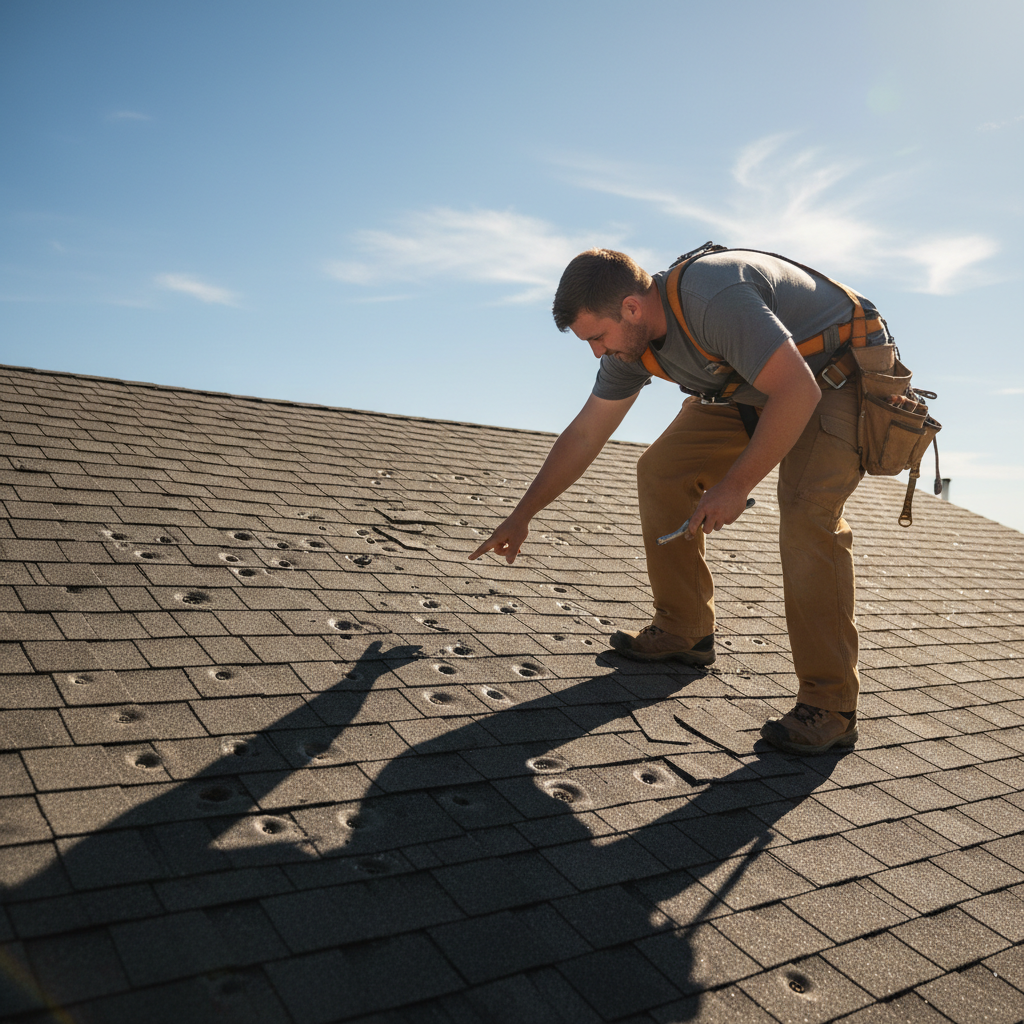
The transition from laboratory testing to real-world application is critical for property owners along the Wasatch Front. Utah presents a unique set of environmental stressors that accelerate roof degradation faster than in many other regions. One primary factor is our high altitude UV exposure. The intense solar radiation in Northern Utah dries out the essential oils in standard asphalt shingles, causing them to become brittle and lose their ability to expand and contract. Once a shingle reaches this state, even a minor hail event can cause catastrophic failure because the material no longer has the flexibility to absorb energy.
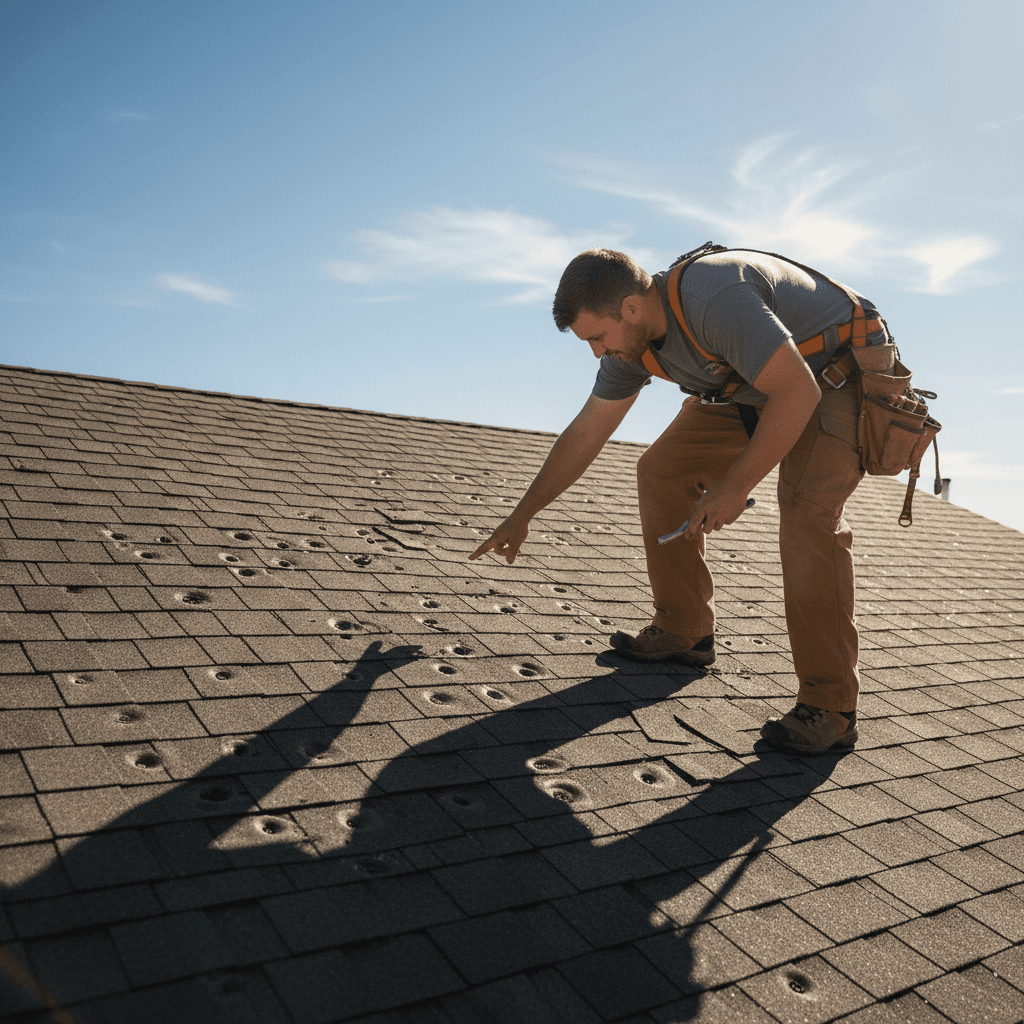
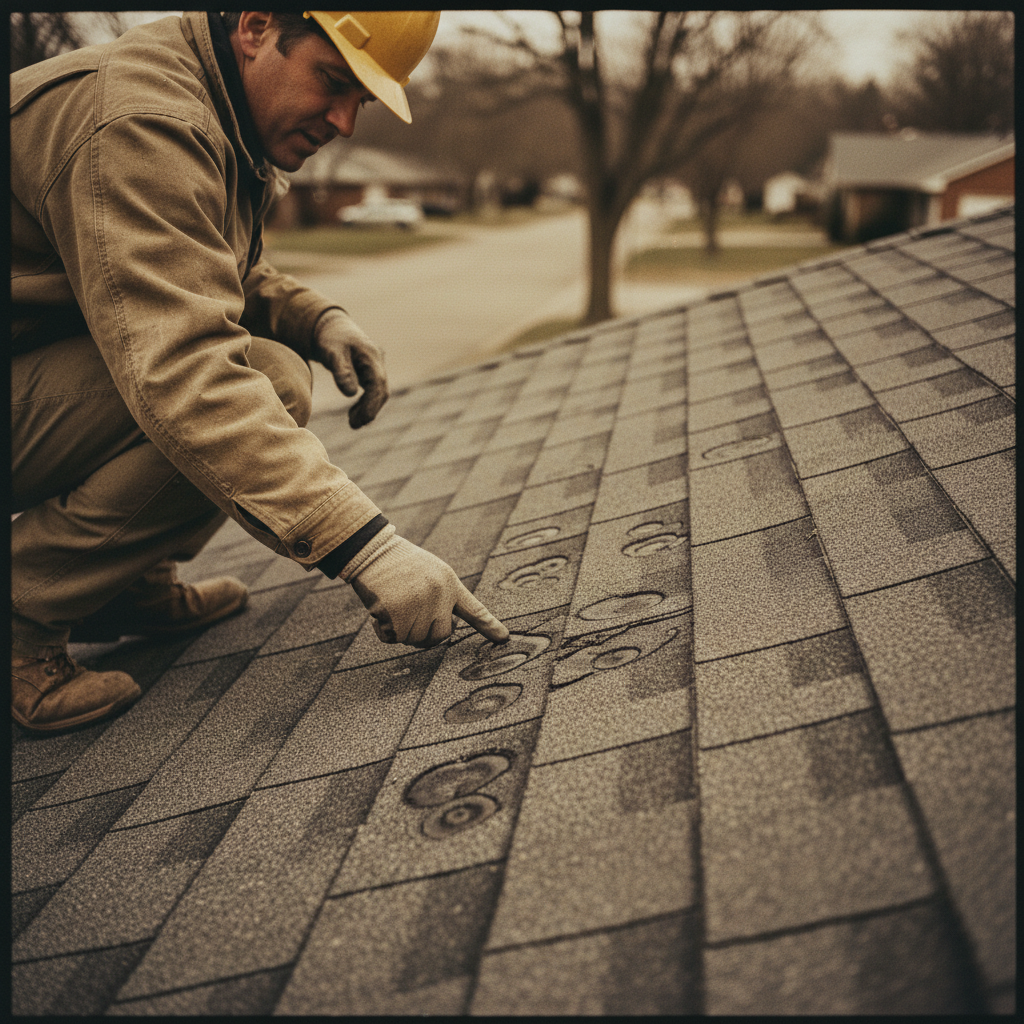
In Box Elder County and the surrounding northern valleys, we frequently observe damage patterns where shingles appear visually intact from the ground but have completely lost their protective granule surfacing. This occurs most frequently in the Wasatch Front hail corridor, where localized storms produce rapid temperature drops and high velocity hail. When these stones hit a UV damaged, brittle shingle, the impact fractures the mat instantly. By installing class 4 impact resistant shingles Utah homeowners provide their property with a layer of defense designed to withstand these specific cycles of intense sun followed by sudden, violent storms.
Wind is the other major variable in our local climate. The canyons throughout Northern Utah act as funnels, generating wind speeds that can easily peel back standard architectural shingles. While a standard shingle might be rated for 110 mph, many Class 4 products carry enhanced wind warranties up to 130 mph. This extra security is vital during our seasonal wind events. At Anders Roofing, we recommend these high performance systems because they address the structural vulnerabilities created by Utah's unique geography, helping residents avoid the need for a hail damage roof Utah guide after every major storm. Our team focuses on residential roofing services that prioritize long term durability over quick, cheap fixes.
The Real Savings: Class 4 Shingle Insurance Discounts in Utah
While the physical durability of high-performance roofing is a clear advantage, the financial incentive through insurance premiums often surprises property owners. In Utah, many major insurance carriers, including State Farm and Farmers, offer substantial discounts for homes equipped with class 4 impact resistant shingles Utah residents can rely on. These discounts typically range from 10 percent to 28 percent; however, specialized policies in high-risk areas along the Wasatch Front can sometimes see reductions as high as 33 percent.
This pricing structure is based on the principle of loss mitigation. From an insurer’s perspective, a roof that survives a hailstorm without requiring a full replacement represents a significantly lower liability. By installing a material that resists cracking and granule loss, you are essentially reducing the likelihood that the company will have to pay out a major claim for a total roof loss. At Anders Roofing, we provide the necessary documentation and manufacturer certifications to help our clients secure these reductions. These residential roofing services are not just about professional labor, they are about positioning your home as a lower-risk asset for the long term.
To see the real-world impact, consider a homeowner with a $2,000 annual premium. A 20 percent discount results in $400 in savings every year. Over a 15-year period, this equates to $6,000 in total savings, which often covers the entire price difference between standard architectural shingles and impact-rated materials.
Annual Insurance Premium | 15% Annual Savings | 25% Annual Savings | 10-Year Cumulative Total (at 20%) |
|---|---|---|---|
$1,500 | $225 | $375 | $3,000 |
$2,000 | $300 | $500 | $4,000 |
$2,500 | $375 | $625 | $5,000 |
When we complete an installation, we ensure you have the specific UL 2218 certification paperwork required by agents to trigger these premium drops immediately. This proactive approach ensures that your investment starts paying for itself from the first month of coverage.
Comparing the Costs: Upfront Investment vs Long Term Value
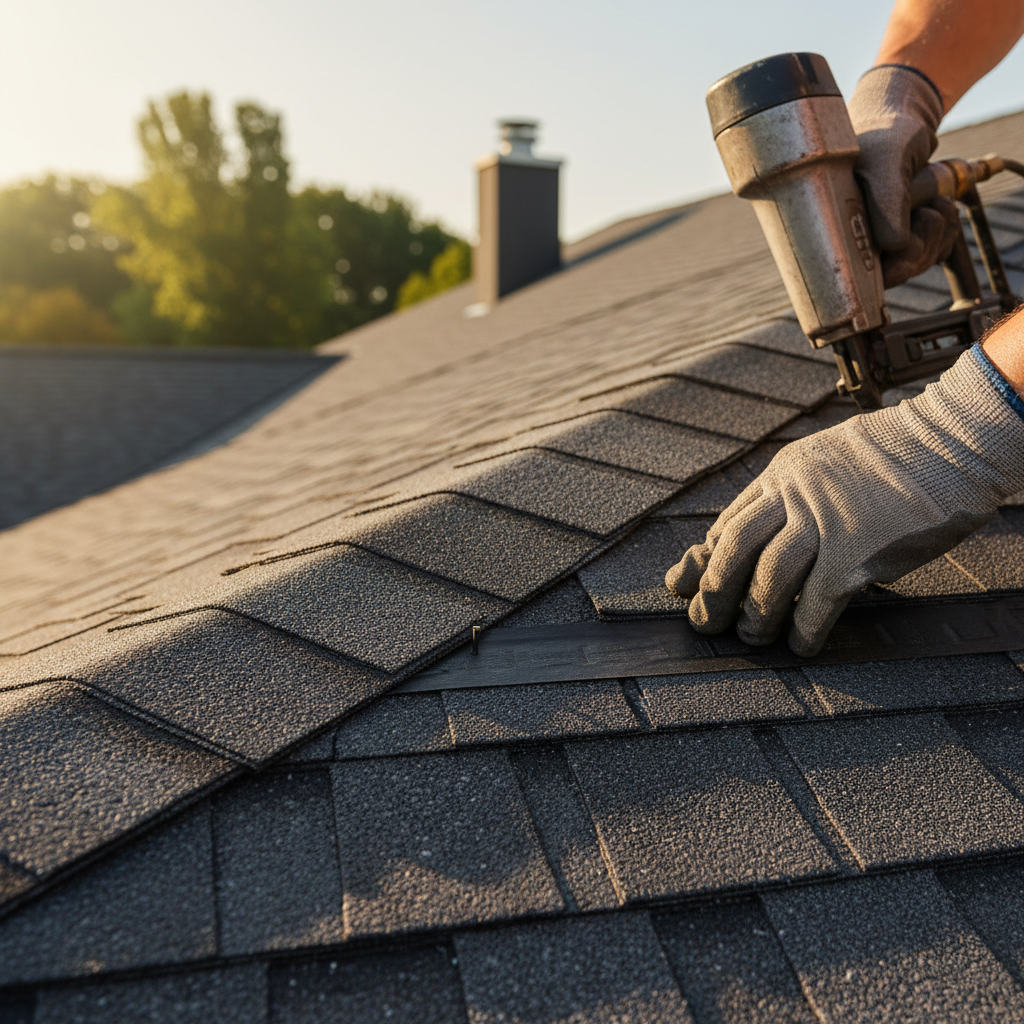
Navigating the initial price of a roof replacement requires looking beyond the bottom line of the quote. For homeowners considering class 4 impact resistant shingles Utah residents typically see a material price increase of 20 percent to 40 percent compared to standard architectural shingles. This price gap is driven by the physical composition of the product. Unlike standard shingles, Class 4 options utilize thicker fiberglass mats and SBS modified bitumen, which requires a more intensive manufacturing process. These shingles also feature superior granule adhesion, ensuring that the protective stone layer stays bonded to the asphalt even during high velocity impacts.
When weighing these costs, it helps to view Class 4 shingles as a middle ground between entry level asphalt and high end metal systems. A standing seam metal roof provides excellent hail protection but often costs double or triple the price of a high performance shingle installation.
Roofing Material Type | Relative Material Cost | Impact Protection | Lifespan Expectancy |
|---|---|---|---|
Standard Architectural | Base Price | Limited | 15 to 22 Years |
Class 4 IR Shingles | +20% to 40% | High | 25 to 30 Years |
Standing Seam Metal | +200% to 300% | Very High | 40+ Years |
At about Anders Roofing, we provide clear breakdowns of these residential roofing services so you can evaluate the return on investment. The upfront premium for Class 4 materials is often offset within five to ten years by insurance savings and the avoidance of high deductibles following storm events.
The 25 Percent Rule and Insurance Adjusters in Utah
Utah building codes include a specific provision often referred to as the 25 percent rule. Under these regulations, if more than 25 percent of a roof system or a specific roof section is damaged within a year, the entire roof must be brought up to current code standards, which usually necessitates a full replacement. For homeowners with standard shingles, a typical northern Utah hailstorm can easily reach this threshold. Once the damage crosses that 25 percent mark, you are looking at a full scale construction project and the immediate requirement to pay your insurance deductible.
By installing class 4 impact resistant shingles Utah residents can effectively raise the damage ceiling of their home. Because these shingles are designed to bounce back from impacts that would fracture standard materials, a minor or moderate storm might result in zero functional damage, or perhaps only a few isolated spots of granule loss. Keeping the damage below the 25 percent threshold allows you to avoid the logistical headache of a total roof replacement and keeps your deductible money in your pocket.
If a storm does occur, your interaction with the insurance adjuster is critical. Always have your documentation ready. Providing the manufacturer’s certification or the UL 2218 technical data sheet proves the roof's impact rating. At about Anders Roofing, we provide our clients with a project file that includes these specific certifications. Showing the adjuster that the home is protected by high performance materials can influence their assessment, ensuring they recognize the roof’s resilience rather than just looking for the first sign of a crack. This level of preparation is a standard part of our residential roofing services, helping you navigate the aftermath of Utah's unpredictable weather with professional documentation.
Which Class 4 Brands Perform Best in Utah High Altitudes
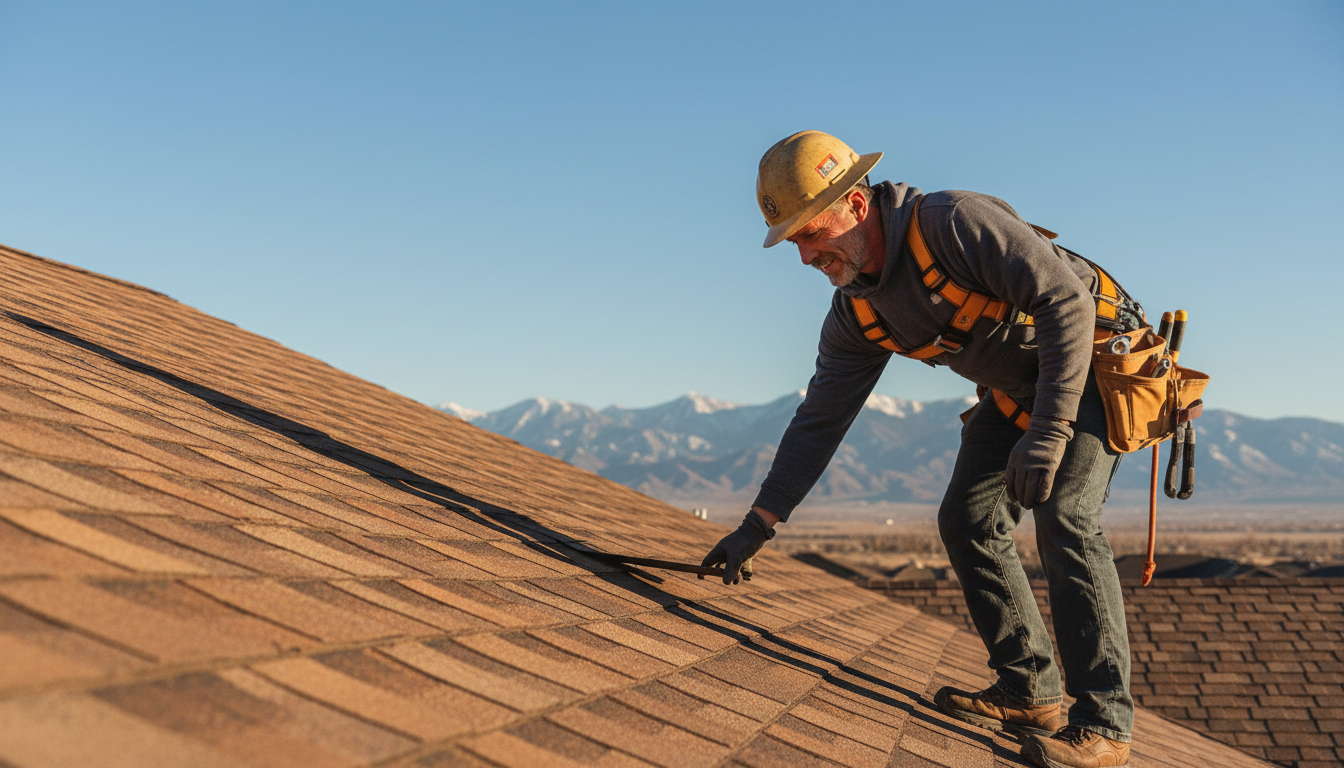
Choosing the right material involves more than just looking for a Class 4 label; it requires selecting a brand that understands the thermal expansion and contraction cycles of the Intermountain West. In our experience, three manufacturers consistently lead the market for class 4 impact resistant shingles Utah homeowners can trust. GAF’s Timberline AS II and Owens Corning’s Duration Flex are excellent examples of engineered durability, utilizing SBS modification to ensure the shingle remains pliable even when temperatures drop.
However, Malarkey’s Legacy shingle stands out for its unique manufacturing process. Malarkey incorporates upcycled rubber and plastic polymers into their asphalt, creating a highly resilient rubberized shingle. This composition is particularly effective for Utah’s climate because it retains its flexibility across a wider temperature range than standard oxidized asphalt. When the morning temperature in Logan or Brigham City is below freezing and rises to 80 degrees by afternoon, these materials absorb that thermal stress without developing the micro cracks that compromise a roof's integrity.
At about Anders Roofing, we select specific products based on how they handle the specific snow load and UV conditions found in Northern Utah. We look for shingles with high granule retention, as losing that top layer exposes the underlying asphalt to the thinning effects of high altitude solar radiation. Our residential roofing services are tailored to these local variables, ensuring the product we install on your home is rated not just for a lab test, but for the actual conditions of Box Elder County.
Brand | Product Line | Key Advantage for Utah |
|---|---|---|
Malarkey | Legacy | Upcycled rubber for extreme thermal flexibility |
Owens Corning | Duration Flex | Enhanced SBS modification and wind resistance |
GAF | Timberline AS II | Superior granule adhesion and widespread availability |