Asphalt shingles typically last 20 to 30 years, while metal roofing can endure for 40 to 70 years or more. Factors such as heavy snow, intense sun, and proper ventilation ultimately determine how long does a roof last in Utah.
Utah homeowners often find themselves staring at their roof shingles after a heavy snowstorm or a scorching July afternoon, wondering if the materials are still providing the protection their family needs. In our unique climate, the answer is rarely as simple as the number printed on the manufacturer's warranty. Extreme temperature swings and heavy snow loads mean that a roof that might last thirty years in another state could fail much sooner in Salt Lake City or Provo. At Anders Roofing, we believe that understanding the true lifespan of your investment is essential for proactive home maintenance. This guide explores how long different materials actually last in the Beehive State, the specific environmental factors that accelerate wear, and the critical signs that indicate it is time to consider a replacement before a minor leak becomes a major structural issue.
Average Roof Lifespan in Utah by Material
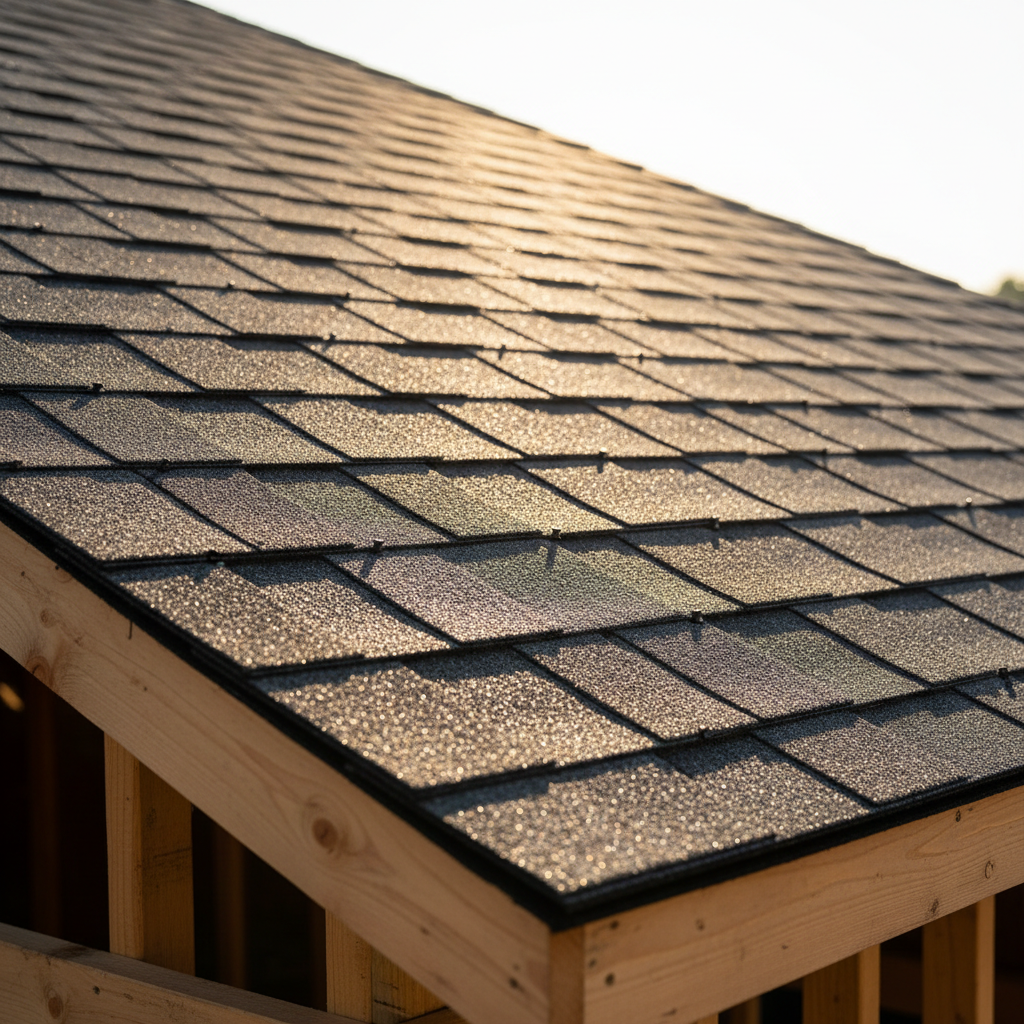
When assessing how long does a roof last in Utah, the conversation begins with the distinction between a manufacturer’s warranty and the actual performance on a local home. In Box Elder County, we find that environmental exposure often shortens the theoretical lifespan provided on a product brochure. The intense UV radiation and temperature swings in Northern Utah mean that materials rarely reach their maximum laboratory-rated age.
Asphalt shingles remain the most common choice for reliable residential roofing services. Standard 3-tab shingles, the traditional entry-level option, carry 20 year ratings, yet in our climate, they often show significant wear and curling by year 15. Conversely, architectural shingles are thicker and more wind-resistant. While often marketed as 30 year products, most Utah homeowners see 22 to 28 years of service before the granule loss becomes critical enough to warrant replacement.
Material Type | Manufacturer Rating | Expected Utah Lifespan |
|---|---|---|
Asphalt (3-Tab) | 20 Years | 15 - 18 Years |
Asphalt (Architectural) | 30 Years | 22 - 28 Years |
Metal (Standing Seam) | 50+ Years | 50 - 70 Years |
Metal (Corrugated) | 40+ Years | 30 - 45 Years |
TPO / EPDM (Commercial) | 20 - 30 Years | 18 - 25 Years |
For those prioritizing longevity, metal systems offer the best return. Standing seam metal roofs, which feature concealed fasteners, can easily endure 50 to 70 years because the metal can expand and contract without stressing the attachment points. Corrugated metal is a more economical alternative, though the exposed fasteners require periodic maintenance to reach a 40 year mark. On the commercial side, TPO and EPDM membranes provide durable, water-tight solutions for low-slope buildings. These systems typically last 20 to 30 years, though the intense heat on flat surfaces often pushes the actual replacement window toward the 20-year mark in high-desert environments.
At Anders Roofing, we specialize in high-quality roofing materials and installation tailored to these specific local demands. Because every structure faces different levels of wind and snow, the material you choose should be based on your long-term goals for the property. If you are unsure of your current roof’s age or condition, you should contact Anders Roofing for an inspection to evaluate its remaining service life.
The Utah Factor: Why Our Climate Impacts Longevity
Understanding how long does a roof last in Utah requires looking beyond the product label and toward the Wasatch Front sky. Our unique geography creates a cocktail of environmental stressors that test the structural integrity of even the most robust roofing materials and installation. High altitude plays a significant role; the thinner atmosphere allows intense UV radiation to strike your roof with greater force. This solar energy dries out the essential oils in asphalt shingles, leading to premature brittleness and a loss of flexibility.
The daily temperature swings in Northern Utah introduce a destructive freeze-thaw cycle. When shingles expand in the afternoon sun and contract rapidly as temperatures drop after sunset, the constant movement stresses the sealant strips and can eventually back out fasteners. This mechanical stress is compounded by the heavy snow loads characteristic of the Great Salt Lake effect. Unlike the dry, light powder found in other regions, our lake effect snow often carries significant moisture weight that puts physical strain on the roof deck and rafters.
Ice dams represent the most critical threat to longevity in Box Elder County. When heat escapes from poorly ventilated attics, it melts the bottom layer of snow, which then refreezes at the cold eaves. This creates a dam that traps liquid water against the shingles. This standing water eventually finds a path under the roofing material, where it saturates the underlayment and begins to rot the plywood decking. If you suspect your roof has suffered from seasonal ice damming, you should contact Anders Roofing for an inspection to ensure the structural wood remains sound. Our team understands how these local variables combine to age a roof, allowing us to provide reliable residential roofing services that account for Utah’s specific climate.
Does a 30 Year Shingle Really Last 30 Years?
The short answer is usually no. When manufacturers label a product as a 30 year shingle, they are defining a warranty class rather than providing a literal expiration date. In the context of how long does a roof last in Utah, our field experience shows that these shingles typically reach their functional limit between year 22 and year 25. The intense high altitude sun causes steady granular loss, while thermal shock from 40 degree temperature swings in a single day creates micro cracks in the asphalt.
Homeowners can bridge the gap between that 22 year average and the 30 year goal by prioritizing attic ventilation. Without proper airflow, heat builds up in the attic space and essentially bakes the shingles from the underside. This excessive heat makes the shingles brittle and prone to cracking long before the warranty period expires. When providing reliable residential roofing services, we often find that a roof with balanced intake and exhaust vents significantly outlasts a poorly ventilated counterpart. If you are concerned about premature aging or notice excessive granules in your downspouts, you should contact Anders Roofing for an inspection. We can determine if your shingles are suffering from thermal damage and evaluate whether your current ventilation system is protecting your investment.
5 Signs Your Utah Roof Needs Replacement
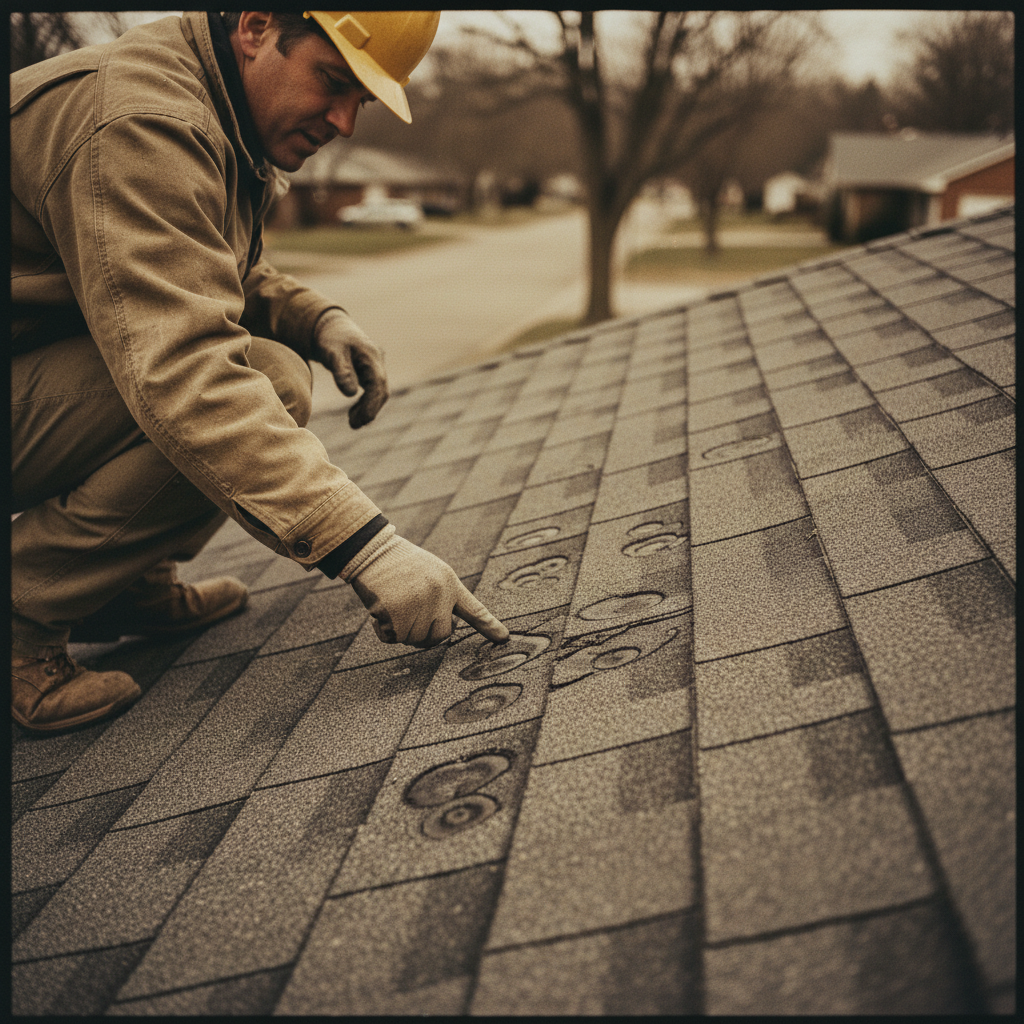
While maintaining proper ventilation can extend your system's life, every roof eventually reaches a point where repairs are no longer cost-effective. Determining how long does a roof last in Utah often comes down to identifying physical degradation before a leak occurs. Homeowners in Northern Utah should regularly monitor their properties for these five practical warning signs.
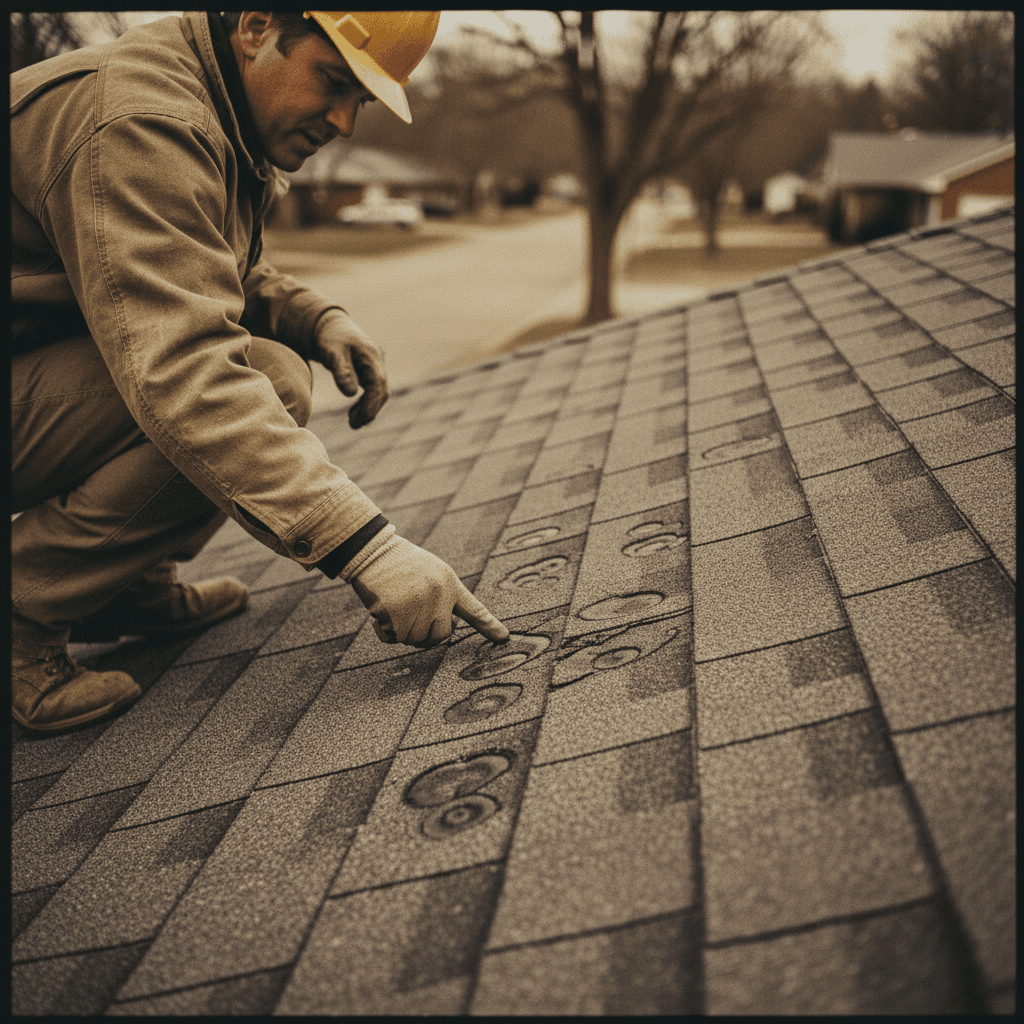
Significant Granular Loss in Gutters: Granules serve as the primary defense against UV radiation. Following a typical Utah hail storm, or as shingles age and become brittle, these granules slough off and collect in gutters. If you notice an accumulation of material that looks like coarse sand in your downspouts, the asphalt mat is exposed and will degrade rapidly.
Curling or Buckling Shingles: Intense high-altitude heat causes shingles to lose their flexibility over time. When the edges turn upward (curling) or the middle of the shingle draws up (buckling), the seal between courses is broken. This makes the roof highly susceptible to wind uplift and moisture infiltration.
Missing Shingles After Wind Storms: The Wasatch Front is prone to high-velocity canyon winds that can easily strip aged shingles. If your roof is losing entire tabs during a standard storm, it is a sign that the adhesive strips have failed or the shingles have become too brittle to hold their fasteners.
Damaged Flashing Around Chimneys: Flashing is the metal transition material used around chimneys, vents, and valleys. If this metal is rusted, pitted, or has separated from the roof surface, water will bypass the shingles entirely. Compromised flashing is one of the most common causes of hidden structural rot.
Daylight Visible in the Attic: This is an urgent indicator of a failing system. If you can see slivers of sunlight through the roof boards while standing in your attic, water and snow can also penetrate the structure.
If you observe any of these indicators, you should contact Anders Roofing for an inspection to assess the remaining service life of your system. Catching these issues early allows for planned reliable residential roofing services rather than an emergency response during a winter storm.
Understanding the 25 Percent Rule for Roof Replacement
When evaluating how long does a roof last in Utah, professional contractors must look beyond shingle condition and consider local building codes. A critical factor in this assessment is the 25 percent rule, a technical requirement found in many jurisdictions across Northern Utah. This rule states that if more than 25 percent of a roof system or roof section is damaged, or if repairs are required on more than 25 percent of the total area within a 12-month period, the entire roof must be replaced to meet current building standards.
This regulation is designed to ensure structural integrity and safety. For homeowners in Box Elder County, it means that extensive storm damage or significant wear across multiple slopes can trigger a legal requirement for a full tear-off. Understanding this threshold is essential during insurance claims, as a patch that looks feasible to a homeowner might actually necessitate reliable residential roofing services for the entire structure. If your roof has sustained localized damage, you should contact Anders Roofing for an inspection to determine if the scope of work falls under this code mandate.
Should You Replace Your Roof If It Is Not Leaking?
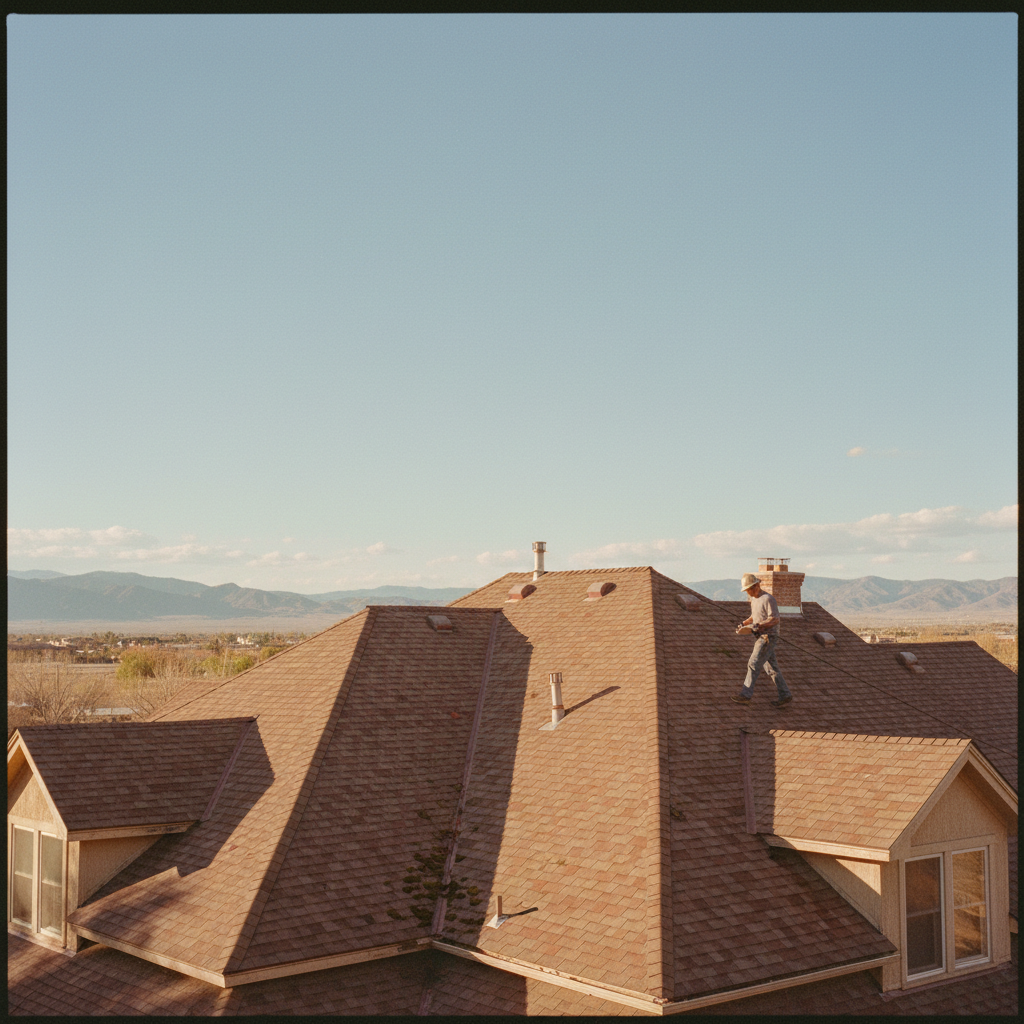
Waiting for a visible drip before acting is a common, yet expensive, mistake. By the time water penetrates your ceiling, it has likely already saturated your attic insulation and fostered mold growth within the structural decking. In the context of how long does a roof last in Utah, the goal is to replace the system during its brittle phase rather than its failure phase. Proactive replacement avoids the secondary costs of mold remediation and interior drywall repair, which frequently double the total expense of a project.
This foresight is especially critical if you are planning to sell your property. An aged roof is a primary focus for home inspectors; a system nearing the end of its functional life can stall a closing or force a significant price reduction during negotiations. Investing in reliable residential roofing services before these issues peak ensures the home remains protected and marketable. If your shingles are shedding granules or appear weathered, you should contact Anders Roofing for an inspection. Determining the true condition of your system now allows for a planned, professional installation on your own timeline, rather than an emergency response during a heavy Utah snowstorm.