Homeowners can maximize Utah roof energy efficiency summer cooling by installing reflective materials that lower surface temperatures and reduce heat absorption. These systems can cut monthly electricity bills by 10 to 30 percent; they work by preventing solar radiation from heating the interior of the home.
As the Utah summer sun beats down on your home, your air conditioning system often fights a losing battle against rising attic temperatures. You likely notice your energy bills climbing alongside the mercury; however, many homeowners overlook the most critical barrier between their comfort and the high desert heat. Your roof acts as more than just a shield against the elements. It is a sophisticated thermal regulator that determines exactly how much radiant heat enters your living space. In this guide, the team at Anders Roofing will analyze the technical relationship between roofing materials and cooling efficiency. We will examine the science of solar reflectance, the importance of the 1:300 ventilation rule, and the specific materials best suited for our unique climate. Furthermore, we will explore the financial landscape for 2026, including local rebates that make high efficiency upgrades a practical investment for your property.
The Direct Link Between Your Roof and Your Utah Energy Bill
In Box Elder County, summer afternoons often see temperatures climbing into the triple digits. While the outdoor air might hit 100 degrees, the surface of a standard dark asphalt roof can easily reach 150 to 160 degrees. This phenomenon is known as solar heat gain. When solar radiation strikes the roof, the materials absorb that energy rather than reflecting it. For homeowners seeking to improve Utah roof energy efficiency summer cooling, understanding this thermal transfer is the first step toward lower utility bills.
Once the roof surface reaches these extreme temperatures, the heat has nowhere to go but down. It conducts through the shingles and roof decking, radiating directly into the attic. In a poorly managed space, this turns the attic into a massive thermal battery that stays hot long after the sun goes down. Your HVAC system must then work overtime to counteract the heat pushing through the ceiling of your living space. Investing in professional residential roofing services ensures your system is designed to break this cycle. Without addressing the roof's thermal performance, your air conditioner is essentially fighting a losing battle against the ceiling, leading to higher monthly costs and unnecessary equipment wear.
Solar Reflectance vs Thermal Emittance: The Science of Cool Roofs
To understand how to improve Utah roof energy efficiency summer cooling, you must look at two specific scientific properties: solar reflectance and thermal emittance. While these terms sound technical, they describe simple mechanical functions of your roofing material. Solar reflectance is the roof's ability to bounce sunlight away before it can be absorbed. Think of it like wearing a white shirt on a sunny day versus a black one. Thermal emittance measures how effectively the material sheds any heat that was already absorbed. High emittance ensures that even if a roof gets warm, it releases that energy back into the air rather than holding onto it.
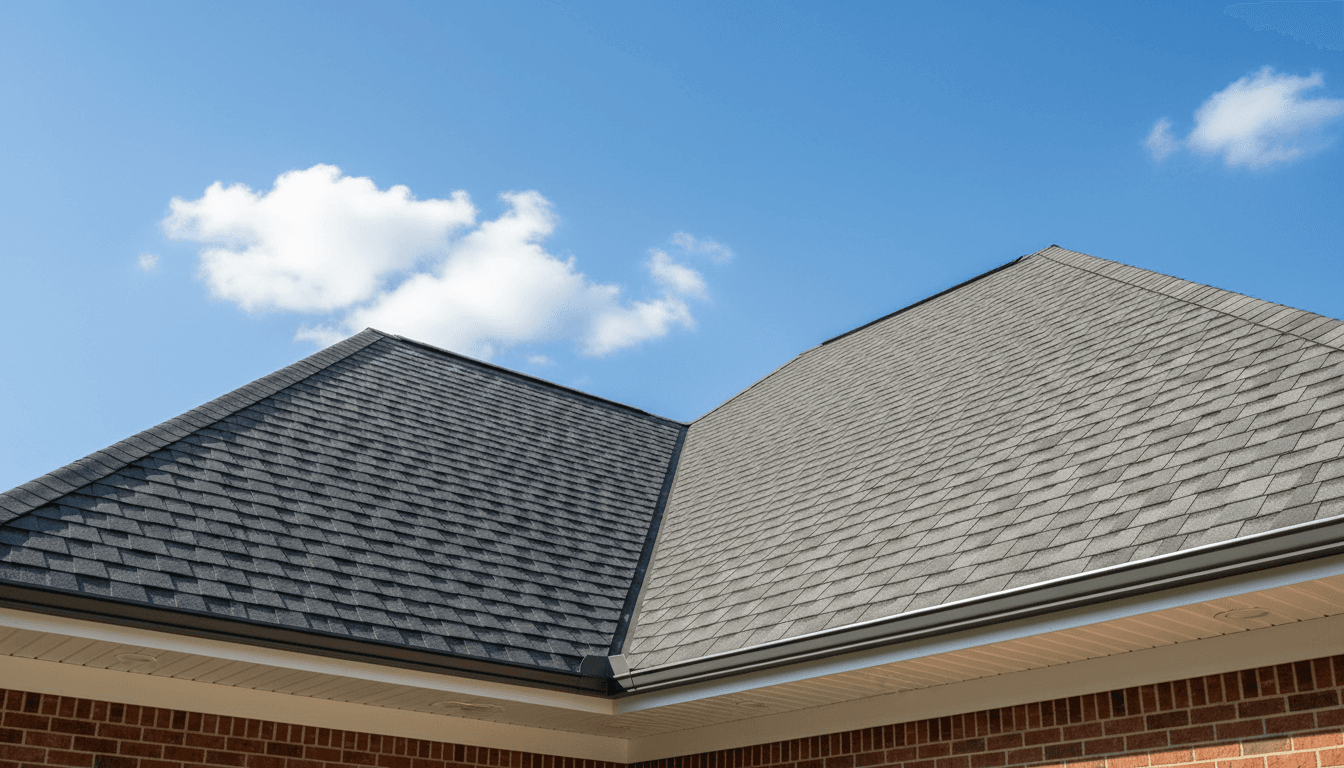
Most homes in Box Elder County utilize standard dark asphalt shingles. These materials typically have low solar reflectance, absorbing up to 90 percent of the sun's energy. In contrast, modern cool shingles are engineered with specialized granules that reflect a much higher percentage of solar radiation. This shift in technology creates a measurable difference in the thermal load your house carries.
Roofing Material | Solar Reflectance | Thermal Emittance | Typical Surface Temp (Peak Sun) |
|---|---|---|---|
Standard Dark Shingle | 0.05 – 0.15 | 0.80 – 0.90 | 150°F – 170°F |
High-Performance Cool Shingle | 0.25 – 0.65 | 0.85 – 0.95 | 100°F – 120°F |
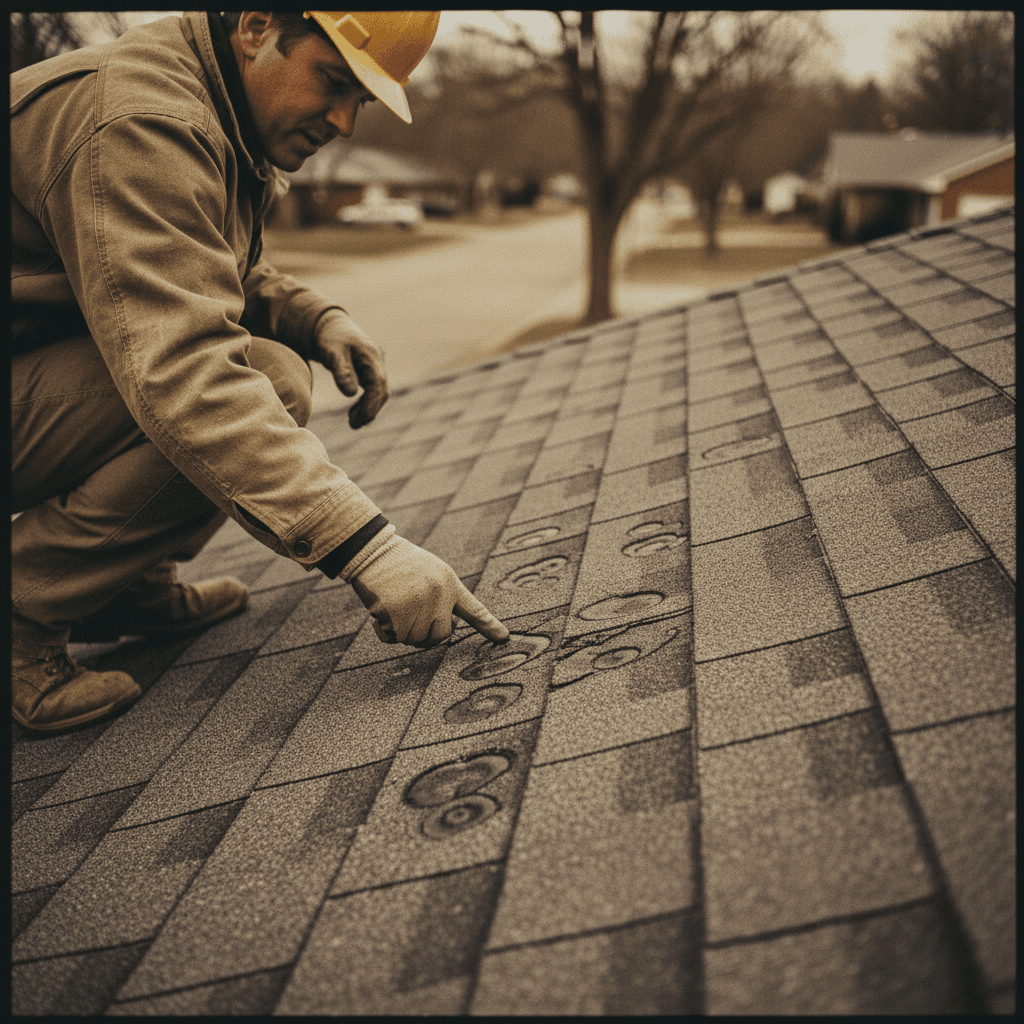
Upgrading to high-performing materials during residential roofing services can result in a surface temperature drop of over 50 degrees. This massive reduction in heat load significantly lowers the thermal pressure on your attic insulation and HVAC system. Professional roof maintenance and inspection can help determine if your current shingles are still performing at their rated capacity or if years of UV exposure have compromised their ability to shed heat effectively.
Best Roofing Materials for Utah Summer Heat
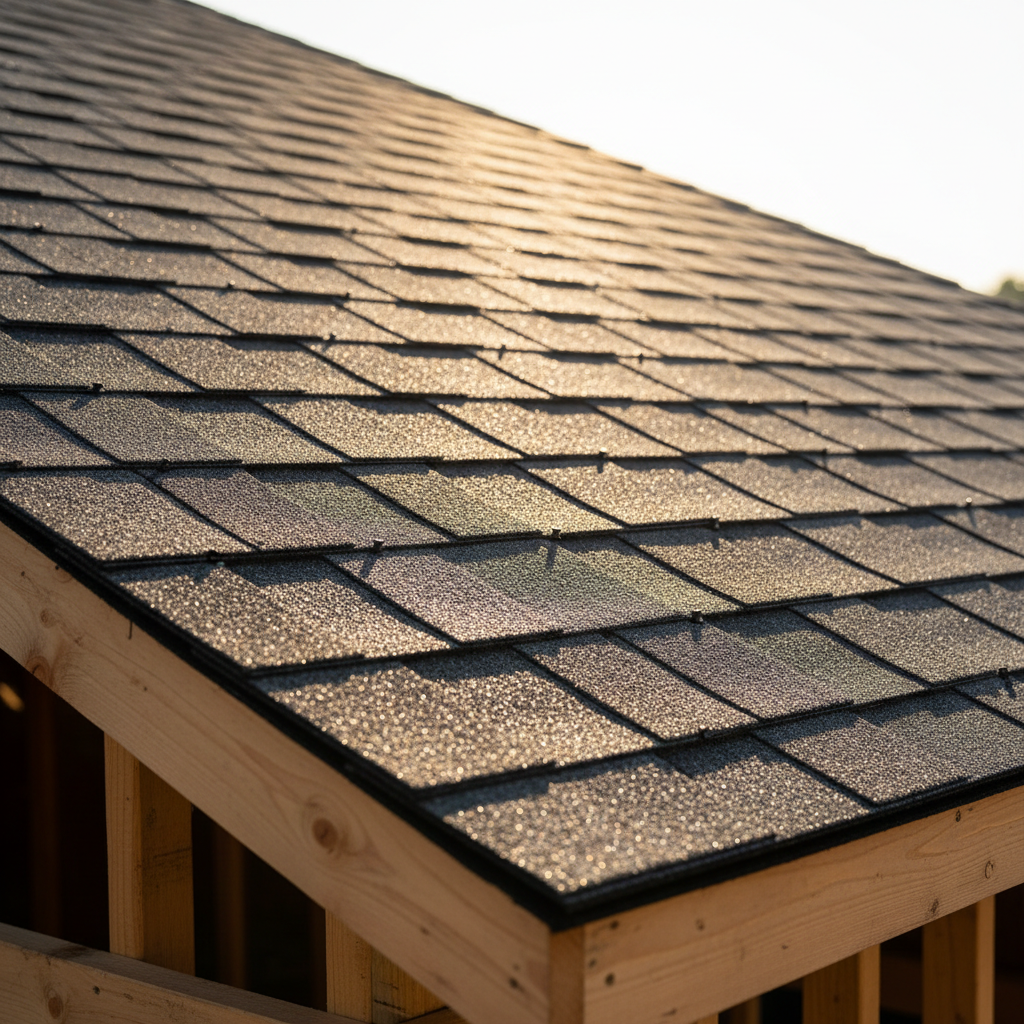
Selecting the right material for a Utah home requires a balance between upfront investment and long-term energy performance. In Box Elder County, roofing must be versatile enough to withstand 100-degree summer afternoons and heavy winter snow loads without compromising the building envelope.
Metal Roofing Metal is often considered the premier choice for Utah roof energy efficiency summer cooling. Its natural reflective properties allow it to bounce solar radiation away before it can be absorbed by the structure. Modern pre-painted metal roofs are engineered with pigments that further increase solar reflectance. Beyond thermal performance, metal is highly resilient against the high winds common in our region and allows for easy snow shedding, which prevents the ice damming issues often seen in late winter.
Tile (Concrete and Clay) Tile roofs offer exceptional thermal mass, meaning they absorb heat very slowly. The installation method for tile also creates a natural air gap between the tiles and the roof deck, providing a passive ventilation layer that prevents heat from conducting into the attic. While tile requires a more robust structural support system, its resistance to UV degradation makes it one of the longest-lasting options for the Utah climate.
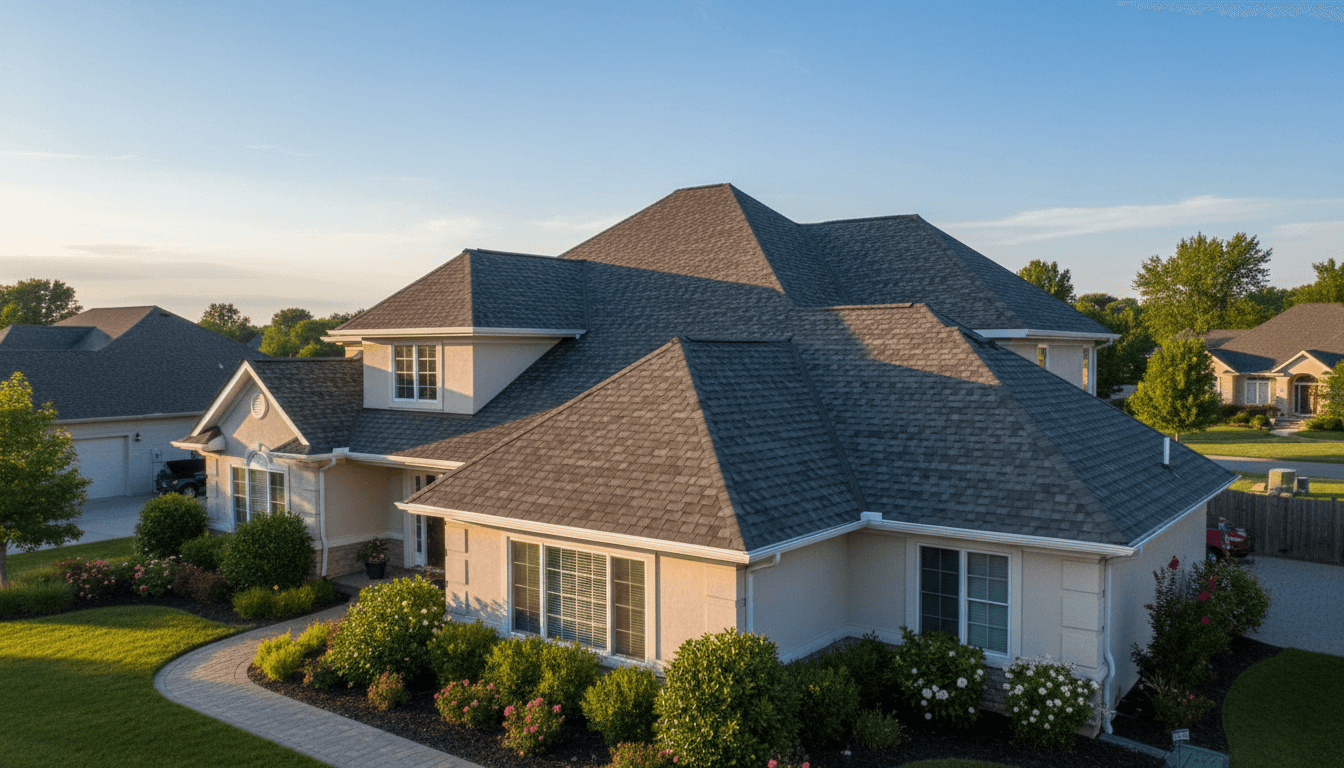
Specialty 'Cool' Asphalt Shingles For homeowners seeking a cost-effective middle ground, specialty asphalt shingles from manufacturers like GAF or Owens Corning are an excellent solution. These are not standard shingles; they are engineered with solar-reflective granules that reflect significantly more infrared radiation than traditional asphalt. Integrating these materials during residential roofing services allows for a significant upgrade in cooling performance without the higher price point of metal or tile.
Material | Summer Heat Performance | Utah Weather Durability | Cost Profile |
|---|---|---|---|
Metal | Excellent | High (Wind/Snow) | Premium |
Tile | Excellent | High (UV/Fire) | Highest |
Cool Asphalt | Good to Great | Moderate to High | Moderate |
Choosing a material that handles both solar gain and snow accumulation is a vital part of proactive Utah home maintenance. You can contact our roofing experts to determine which specific system will provide the best return on investment for your property's unique orientation and structural needs.
The Role of Attic Ventilation and the 1:300 Rule
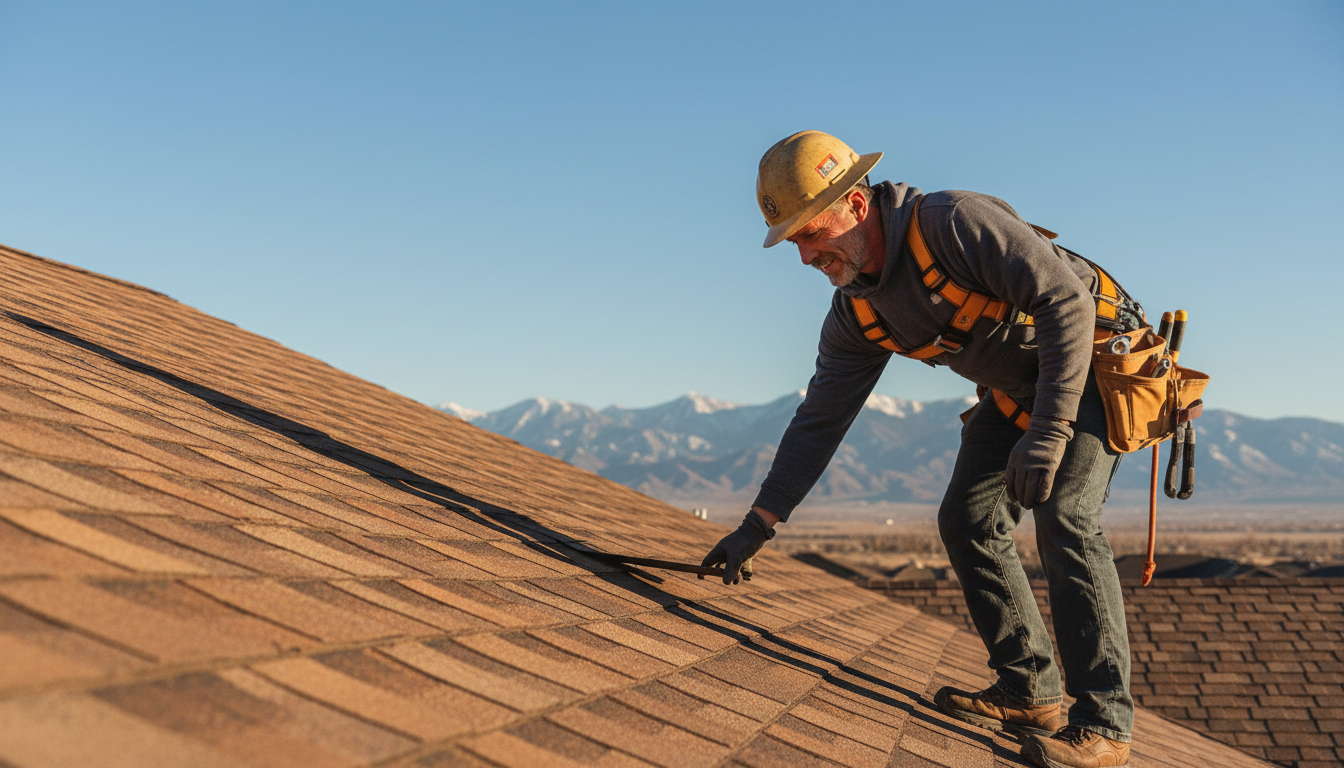
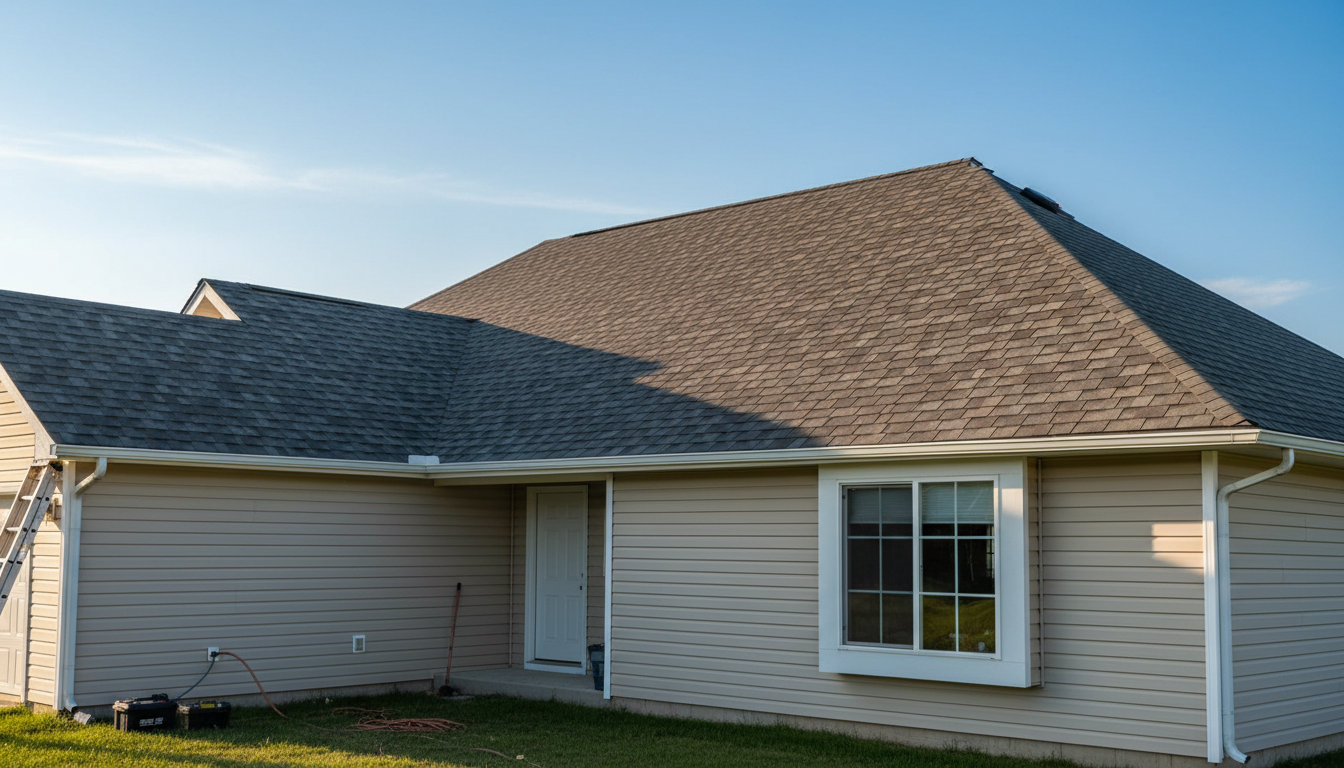
Homeowners often ask if they should seal their attic vents during the hottest Utah months to keep cool air inside. The answer is a definitive no. Effective ventilation is a year round requirement, but it is especially vital for Utah roof energy efficiency summer cooling. Without a way for hot air to escape, your attic becomes a pressurized oven, reaching temperatures that can degrade the underside of your roof deck and shingles.
The industry standard for achieving a balanced system is the 1:300 rule. This guideline states that for every 300 square feet of attic floor space, you must have at least one square foot of net free ventilation area. This area should ideally be divided equally between intake and exhaust to create a continuous cycle of airflow. This process relies on natural convection; as the sun heats the attic, the hot air rises and escapes through the top, pulling cooler air in through the bottom.
Intake Vents: Usually located at the soffits or eaves, these draw cooler outside air into the attic.
Exhaust Vents: Positioned at the highest point of the roof, such as ridge vents or box vents, these allow rising hot air to exit.
If your intake is blocked by insulation or you lack sufficient ridge venting, even the highest quality reflective shingles cannot prevent heat accumulation. This trapped heat forces your air conditioner to run longer cycles to cool the rooms below. Furthermore, extreme attic heat can lead to premature roof wear by causing shingles to become brittle. During roof maintenance and inspection, our team checks for these imbalances to ensure your ventilation system supports your energy goals. If you suspect your attic is trapping heat, you can contact our roofing experts to evaluate your vent configuration and discuss residential roofing services that include proper airflow calculations.
Are Reflective Shingles and Cool Roofs Worth the Investment?
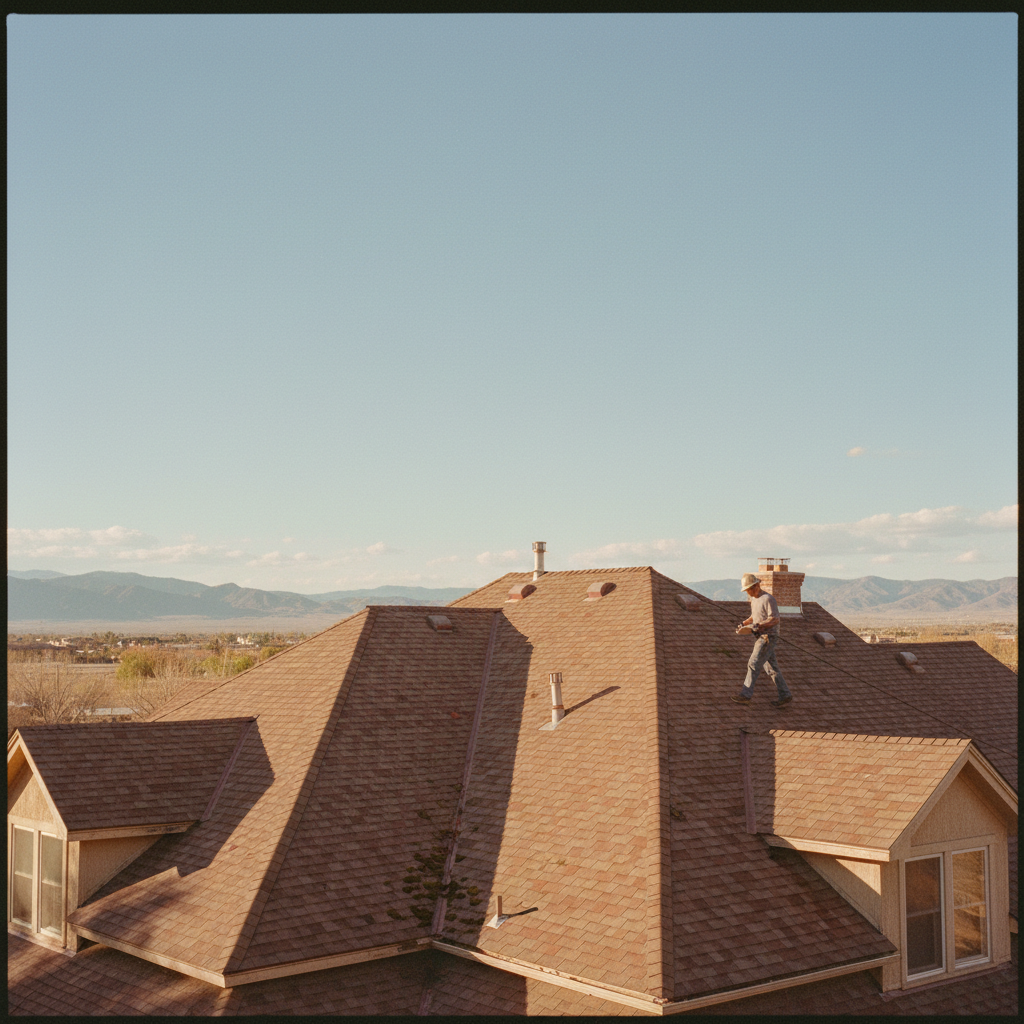
Determining if cool roof shingles are worth the investment requires looking beyond the initial installation quote. For homeowners in Northern Utah, the answer is a practical yes. While high-reflectivity materials may carry a modest premium of 10 to 15 percent over standard asphalt options, the return on investment is realized through both immediate and long-term gains. On average, a cool roof can reduce peak summer cooling demand by 10 to 30 percent. In a climate where air conditioning units often run around the clock in July and August, these monthly savings can offset the initial price difference within just a few years.
The value of Utah roof energy efficiency summer cooling also extends to the physical lifespan of the building materials. Heat is a primary driver of shingle degradation. When a roof surface consistently reaches 160 degrees, the asphalt becomes brittle and the protective granules begin to shed. By maintaining lower surface temperatures, reflective shingles experience less thermal expansion and contraction, effectively slowing the aging process.
Choosing these materials during residential roofing services is a strategic move for the long-term health of your property. Beyond utility bills, you are reducing the mechanical strain on your HVAC system, potentially delaying expensive compressor repairs. You can contact our roofing experts to compare specific product lines and see how a high-performance system fits your home’s budget and energy goals.
Utah Energy Efficiency Rebates and Programs for 2026
Reducing your cooling load is financially sound; however, local and federal incentives make the transition even more accessible. For Utah homeowners planning a project in 2026, the primary federal incentive remains the Energy Efficient Home Improvement Credit. This tax credit can cover a portion of the cost for Energy Star certified metal roofs or asphalt shingles with cooling granules, provided they meet specific solar reflectance requirements.
On a local level, Rocky Mountain Power’s Wattsmart program frequently updates its list of residential incentives. While these often focus on insulation and HVAC, they are frequently bundled with comprehensive residential roofing services to maximize whole-home performance. Combining high-reflectivity shingles with improved attic insulation, often incentivized through Dominion Energy’s ThermWise program, creates a multi-layered defense against the heat in Box Elder County.
Before signing a contract, you should verify the current status of these programs as they are subject to annual funding caps. A high-performance roof that qualifies for an Energy Star rating not only improves Utah roof energy efficiency summer cooling but can also result in a direct credit on your tax return. You can contact our roofing experts to review which materials currently meet the criteria for these 2026 programs, ensuring you do not leave money on the table during your next upgrade.
Keeping your home cool during a scorching Utah summer starts at the very top. By understanding how your roofing materials and ventilation work together, you can significantly reduce your monthly energy expenses. While many homeowners can manage basic maintenance themselves, a professional inspection can uncover hidden issues that impact efficiency. If you want expert help optimizing your roof for the heat, you can learn more About our professional services and how we assist the local community. We are here to ensure your home stays efficient and comfortable all season long.