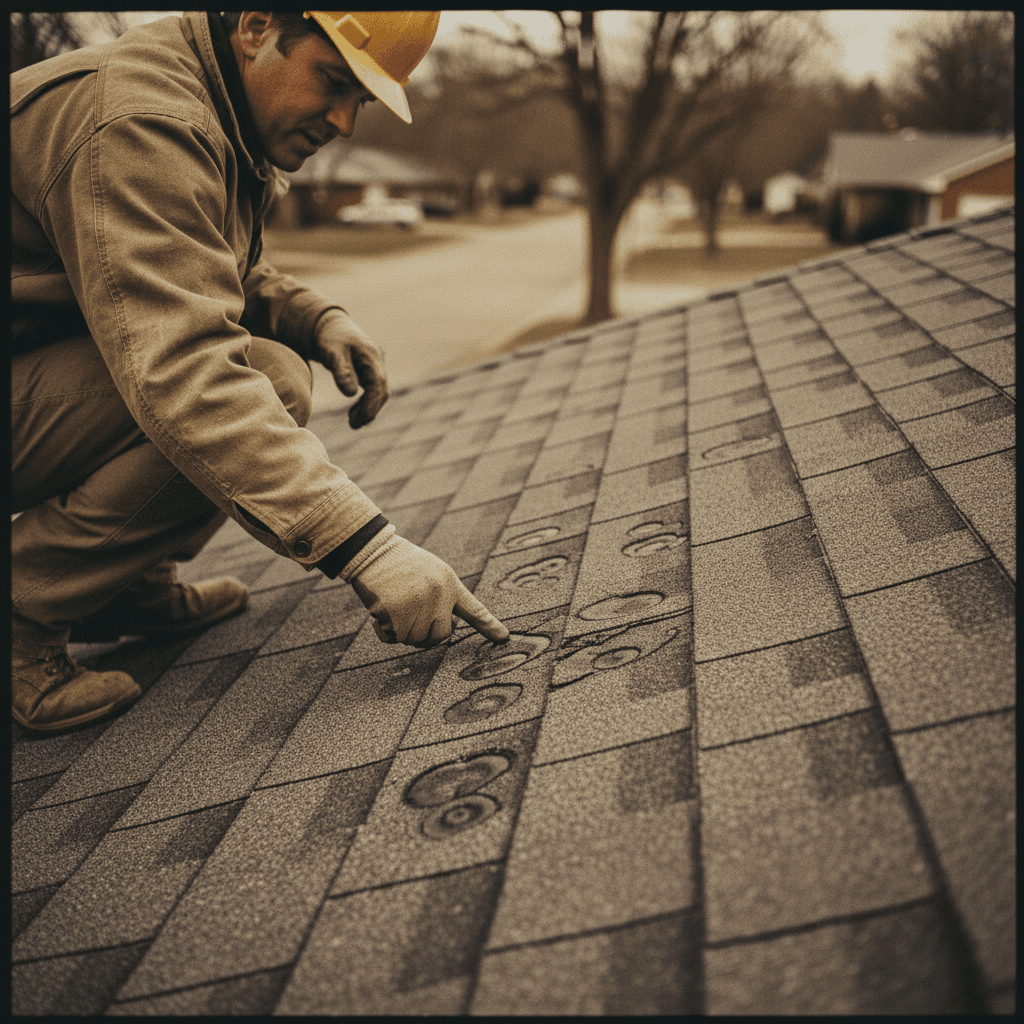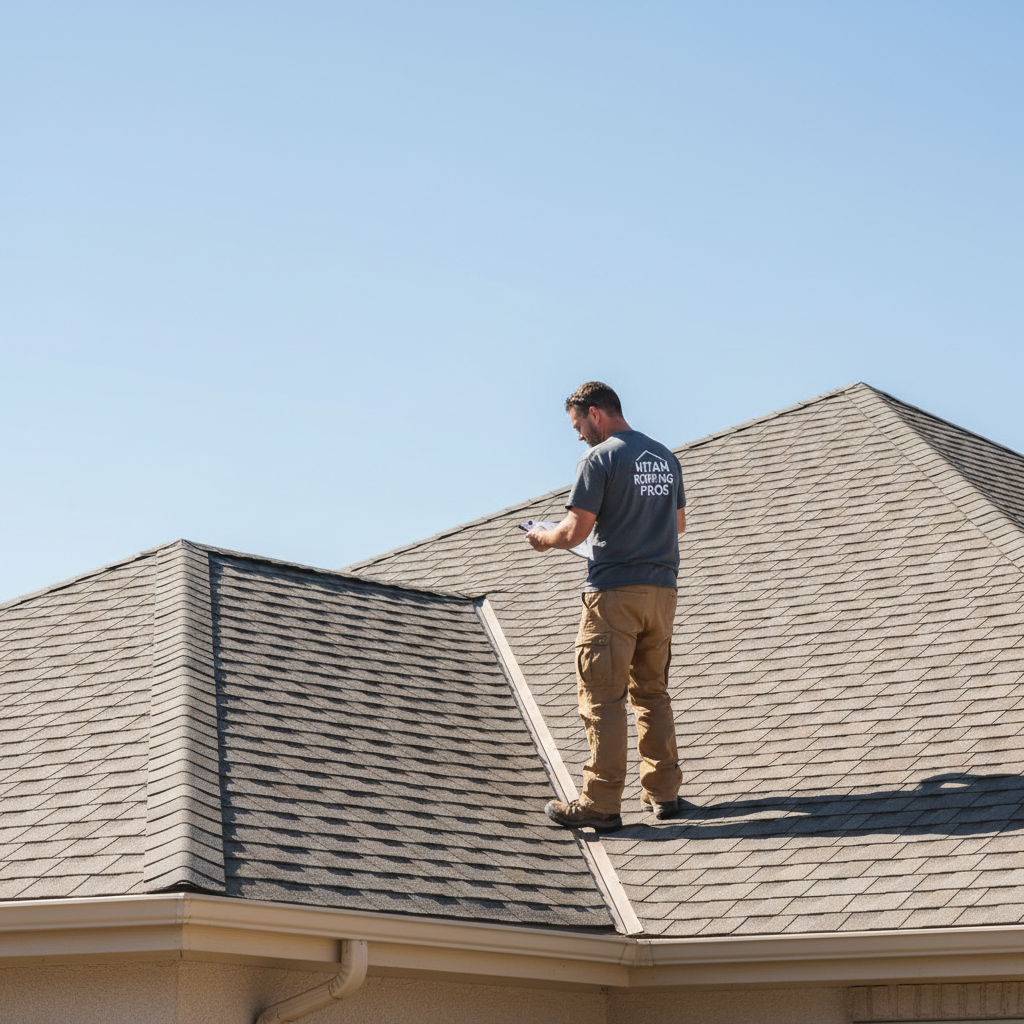
A Utah spring roof inspection after winter identifies damage from ice dams, missing shingles, and compromised flashing to prevent leaks during heavy spring rains. Homeowners should prioritize clearing gutters and inspecting seals around chimneys; these proactive steps help maintain structural integrity before the peak storm season begins.
After months of heavy snowpack and punishing freeze-thaw cycles, your Utah roof has likely endured more stress than it shows from the curb. The weight of lingering drifts and the slow creep of ice dams can compromise even the highest quality shingles, often leaving behind subtle damage that remains invisible until the first heavy spring rainstorm. At Anders Roofing, we know that proactive maintenance is the only way to avoid the high cost of emergency repairs. This guide provides a professional framework for evaluating your home’s exterior health after a long winter. You will learn how to identify failing shingles and compromised flashing, what to look for in your gutters, and how to spot interior warning signs in your attic. We will also explore modern storm-resistant materials to ensure your property remains protected through the coming seasons.
Why Utah Winters Demand a Spring Roof Inspection
Utah winters are not just cold; they are physically demanding on your home’s structural integrity. Along the Wasatch Front, roofs endure relentless freeze-thaw cycles where snow melts during the afternoon sun and refreezes as soon as the temperature drops. This process forces ice into the smallest gaps between shingles and flashing, expanding with enough force to pull apart seals and crack underlayment. In Box Elder County, the lake effect often delivers heavy, moisture-laden snow that adds thousands of pounds of static weight to your trusses and decking for months at a time.
A Utah spring roof inspection after winter is critical because damage is often hidden until the first heavy rainstorm of April. Northern Utah’s notorious canyon winds pose a secondary threat, as they easily lift shingles that have been made brittle by sub-zero temperatures or loosened by the weight of ice dams. Without a professional eye, these small points of entry remain unnoticed until they manifest as mold in the attic or structural rot in the rafters. Taking a proactive approach allows you to address minor maintenance issues before they turn into full scale replacements, ensuring your property remains protected throughout the upcoming storm season. If you are concerned about how your home weathered the season, you can contact Anders Roofing to schedule a detailed assessment and learn more about our local expertise.
The Perimeter Walk: Spotting Winter Damage from the Ground
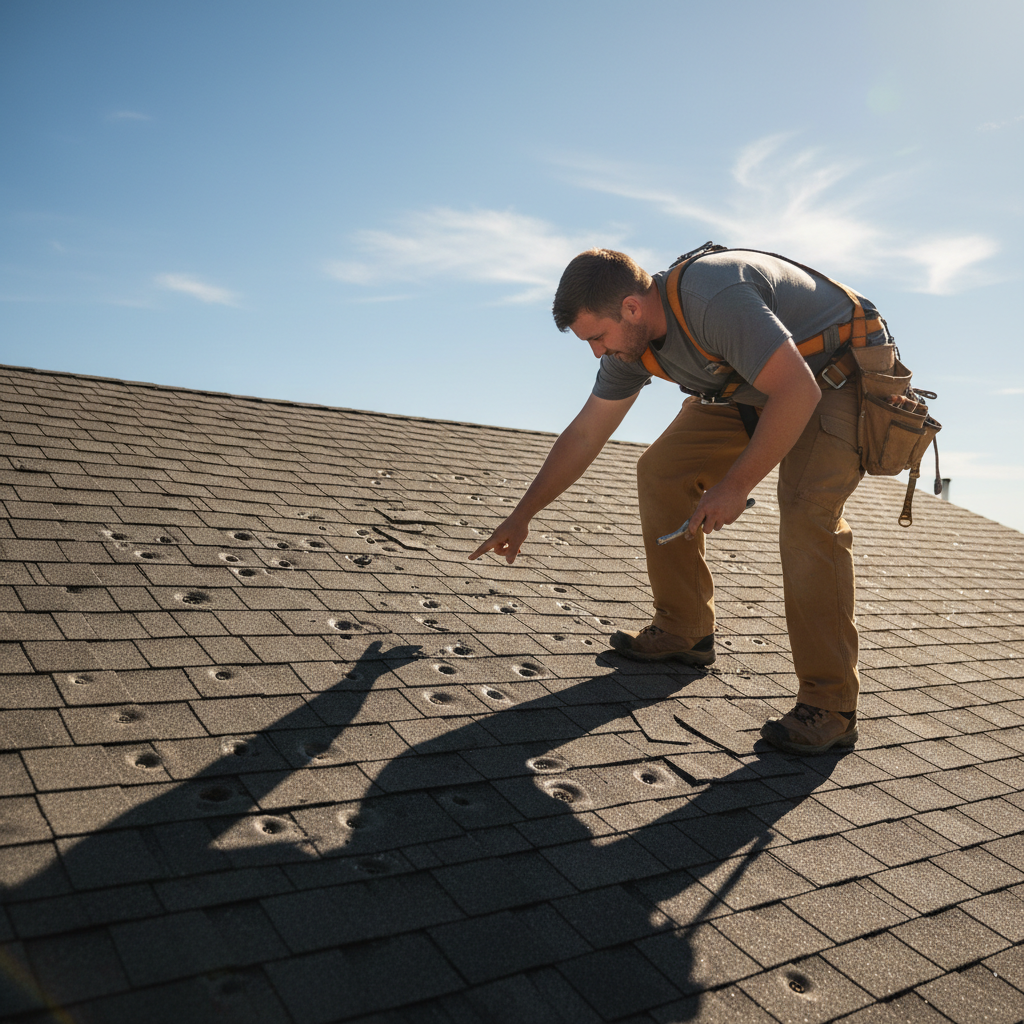
Start by walking the entire perimeter of your home on a clear day when the ground is dry. This first stage of a Utah spring roof inspection after winter requires no ladders, only a keen eye and perhaps a pair of binoculars. Begin by scanning the yard and landscaping for debris. If you find shingles, fragments of underlayment, or heavy concentrations of granules on the grass, your roof has likely suffered wind uplift from the intense canyon winds common in Northern Utah.
Next, focus on the horizontal lines of your roof and the condition of the eaves. Look for the ice dam hangover, which manifests as dark water stains, streaks, or peeling paint on the siding directly beneath the roofline. These marks are evidence that melting snow was trapped by ice, forcing moisture upward and over the weather barrier during the coldest months. While looking up, examine the metal drip edge along the perimeter. In regions like Brigham City, the sheer weight of heavy snow slides can physically bend or crush these metal strips, leaving the wooden fascia board exposed to upcoming spring rains.
Finally, evaluate your gutter system for structural integrity. Heavy ice loads frequently cause gutters to sag or pull away from the house. If you notice a visible gap between the gutter and the fascia board, or if the downspouts appear misaligned, the fasteners have likely been compromised by the weight of frozen runoff. Identifying these external red flags empowers you to seek professional roofing services before small leaks escalate into interior damage. Spotting these issues early allows you to contact Anders Roofing for a targeted repair, ensuring your home remains resilient against Utah’s volatile weather.
Evaluating Shingle Health: Granules, Curling, and Cracks
Once you have completed your perimeter walk, you need to focus on the surface of the shingles themselves. This phase of a Utah spring roof inspection after winter looks for structural fatigue that occurred while the roof was buried under heavy snow. One common but subtle issue is micro-cracking. In Box Elder County, the sheer weight of heavy snow packs compresses the asphalt shingles against the roof deck. As temperatures fluctuate, these shingles expand and contract, causing small fissures that compromise their waterproofing ability.
Ice dams create a different kind of havoc by forcing water under the shingle edges. When this water refreezes, it expands and physically pries the shingle upward. This process often leads to curling or cupping, where the edges of the shingles no longer lay flat against the roof. Once a shingle curls, it becomes a prime target for wind uplift during intense spring storms. If you notice edges that are no longer flush, the adhesive seal has likely been broken, leaving your roof deck vulnerable to moisture.
Perhaps the most telling sign of an aging or stressed roof is granule loss. Look closely at the exit points of your downspouts and the bottom of your gutter troughs. If you see a heavy accumulation of sand-like material, your shingles are shedding their protective ceramic coating. This coating is what shields the asphalt from UV damage; without it, the shingles will quickly become brittle and fail. Homeowners in areas like Brigham City should pay close attention to bald spots, which are dark patches on the shingles where the granules have completely washed away. If you notice significant granule loss or structural cracks, it may be time to seek professional roofing services to determine the remaining lifespan of your system.
Flashing and Sealant: Checking the Most Vulnerable Points
While shingles provide the primary shield, the most frequent failure points identified during a Utah spring roof inspection after winter are the transitions where roofing materials meet protrusions. Chimneys, dormers, and valleys rely on metal flashing to divert water away from sensitive joints. In Northern Utah, the extreme temperature variance between freezing nights and sunny afternoons causes metal and asphalt to expand and contract at different rates. This constant thermal movement frequently breaks the waterproof seals or causes flashing to pull away from the roof deck, creating small gaps that are invisible from the ground.
Pay close attention to the rubber boot seals surrounding your plumbing vents. The intense cold of a Box Elder County winter makes these rubber components brittle and prone to hairline cracks. These degraded boots are the primary cause of spring mystery leaks that appear on ceilings far from any visible shingle damage. If you notice cracked sealant or lifted metal around your vents, these are signs that your roof’s secondary defenses have been compromised. Addressing these vulnerable points early through professional roofing services prevents minor seepage from becoming a major interior repair. You can contact Anders Roofing to ensure these critical seals are properly restored using materials designed for Utah’s climate and about our local expertise in handling high-wind flashing requirements.
The Ice Dam Hangover: Gutter and Eave Inspection
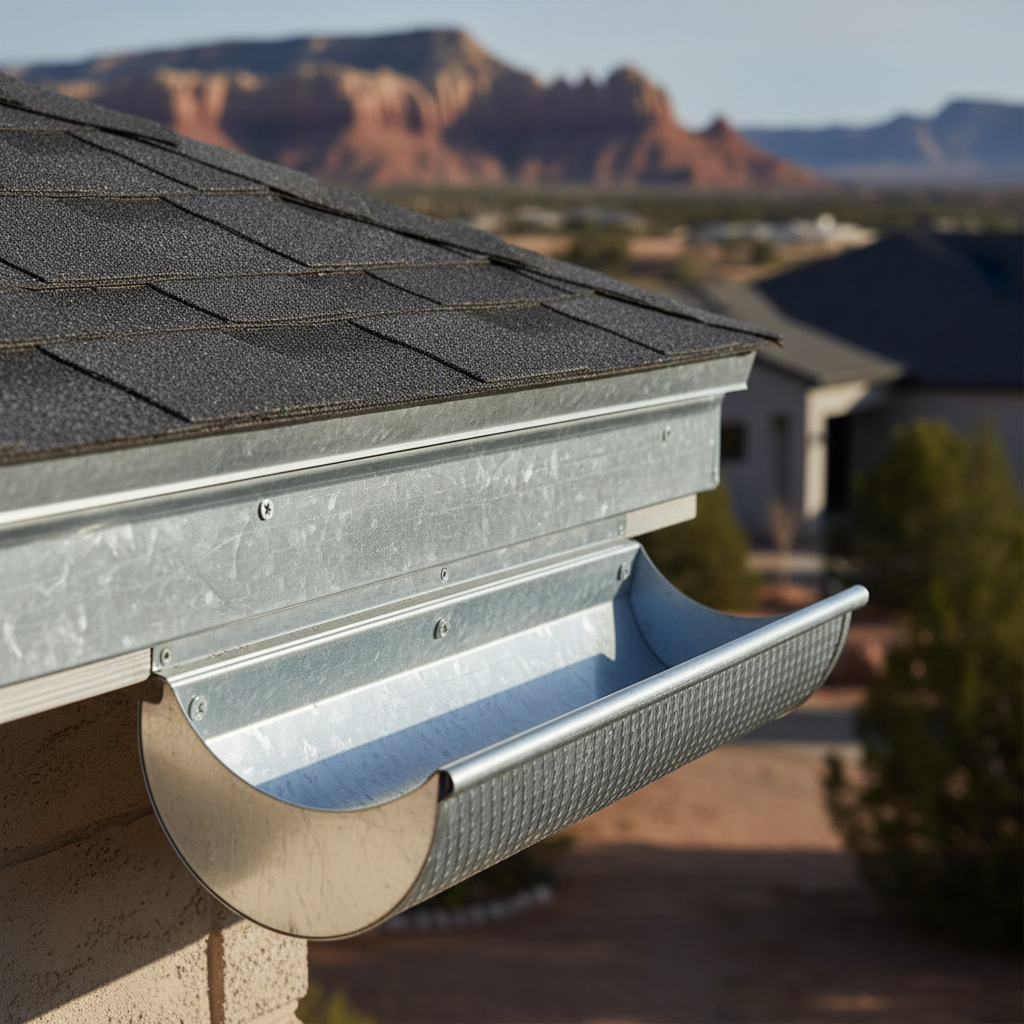
Just because the visible icicles have melted does not mean the stress on your home has vanished. During a Utah spring roof inspection after winter, you must evaluate the structural toll ice dams took on your drainage system. The weight of a single ice dam can exceed several hundred pounds; this frequently causes gutters to sag or fasteners to pull directly out of the fascia board. Inspect the gap where the gutter meets the wood. If you see daylight between the gutter and the house or notice a visible tilt, the system is no longer catching runoff effectively. This leads to water overflowing and causing rot in the fascia or soffit, which become expensive repairs if left unaddressed.
A common mistake homeowners make during the peak of winter is using rock salt to melt ice dams. This creates a lasting problem for the roof’s longevity. Rock salt is highly corrosive; it chemically degrades the asphalt in shingles and causes metal flashing and gutter spikes to rust prematurely. Furthermore, the salty runoff often kills the landscaping around the perimeter of your home. Instead of reactive and harmful chemicals, focus on long term solutions for next year. This aligns with the shift toward resilience-first roofing, which prioritizes advanced underlayments and improved attic ventilation to prevent ice buildup before it starts.
If you notice that your gutters are misaligned or if your fascia shows signs of softening and peeling paint, it is time to look into professional roofing services. Addressing these structural issues now prevents spring rains from entering your wall cavities. You can contact Anders Roofing for a comprehensive assessment of your eave health. Our team applies about our local expertise to reinforce these vulnerable areas, ensuring your drainage system is properly secured to handle the heavy thunderstorms common in Northern Utah.
Interior Clues: What Your Attic Reveals About Your Roof
After inspecting the exterior, you must move into the attic for a thorough internal check. Many homeowners assume a roof is sound if they do not see drips on their living room ceiling; however, in the Utah climate, winter damage often stays trapped in the structural cavity for weeks before manifesting downstairs. During your Utah spring roof inspection after winter, turn off the attic lights and look for daylight peeking through the roof boards. If you can see the sky, you have a direct path for water and pests.
Scan the rafters and the underside of the roof deck for dark water trails or staining. These marks indicate where moisture seeped past shingles during the relentless freeze-thaw cycles of February and March. Next, evaluate the condition of your insulation. If it appears matted, clumpy, or shows signs of black mold, it has likely absorbed moisture from a lingering ice dam. Matted insulation loses its R-value, making your home significantly harder to cool during the intense summer heat in Box Elder County. Detecting these interior clues early is the most effective way to prevent wood rot and long term mold growth. If you find signs of moisture or structural dampness, it is time to seek professional roofing services to identify the exact entry point. You can contact Anders Roofing to learn more about our local expertise in attic diagnostics and ventilation repairs.
2026 Roofing Trends: Moving Toward Storm-Resistant Materials
As you evaluate the findings from your Utah spring roof inspection after winter, consider the industry shift toward resilience-first roofing. By 2026, trends indicate a significant move away from standard asphalt toward high-impact materials designed for extreme weather. In Box Elder County, where canyon winds and heavy snow loads are the norm, homeowners are increasingly opting for Class 4 impact-resistant shingles and standing seam metal roofing. These materials are engineered to handle the intense thermal expansion and contraction that often causes traditional roofs to fail prematurely.
Investing in these storm-resistant upgrades does more than just protect your structure. Many insurance providers now offer premium discounts for homes equipped with high-performance roofing systems, as they significantly reduce the likelihood of total loss during a severe storm. When you seek professional roofing services, prioritizing these robust materials ensures your home is prepared for the next cycle of volatile weather. You can contact Anders Roofing to explore the best high-durability options for your property and learn more about our local expertise in hardening homes against Northern Utah’s unique climate challenges.
Utah Roof Inspection FAQ: Insurance, Costs, and Timing
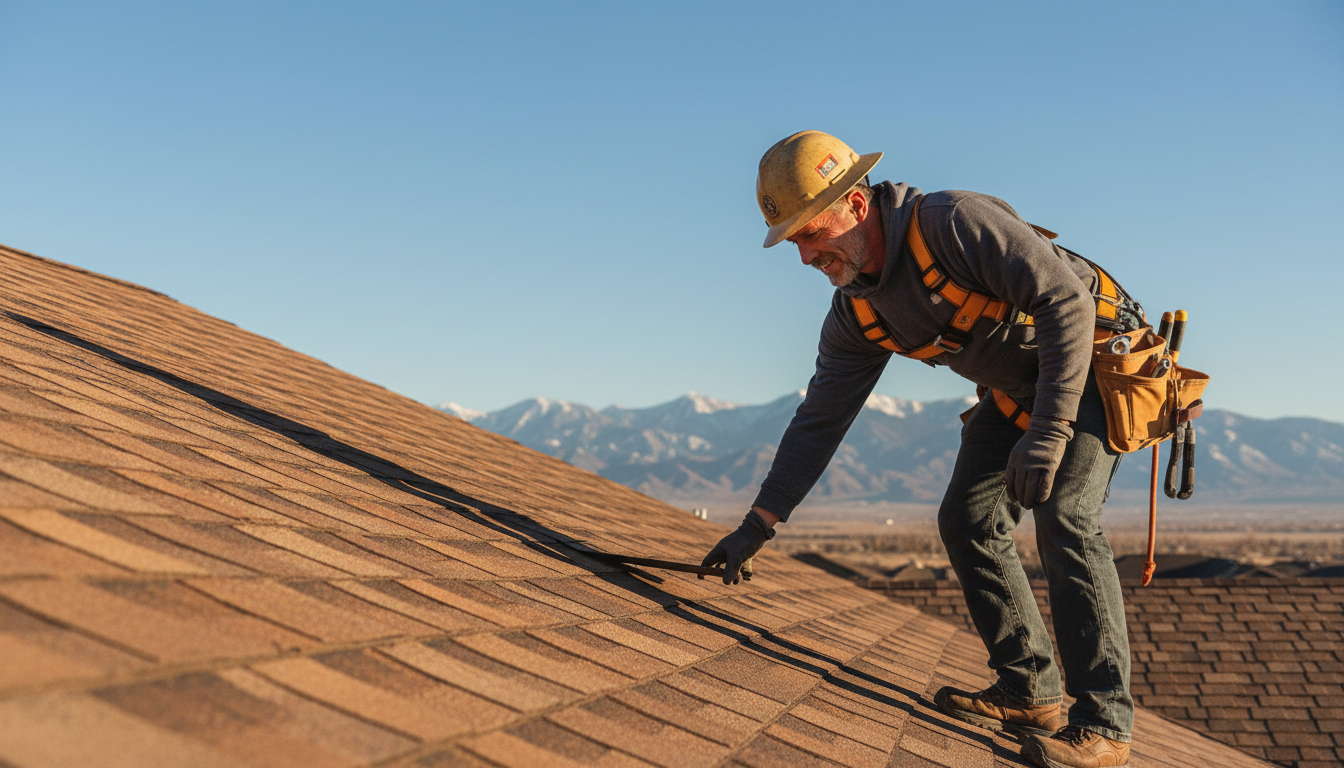
Providing clear answers to common concerns helps clarify the path forward for property maintenance. Many Utah homeowners ask if insurance covers snow damage. Generally, standard policies cover sudden, accidental damage, such as a roof collapse from the extreme weight of a heavy snow pack. However, insurance rarely covers leaks caused by wear and tear or deferred maintenance, such as water backing up under old, brittle shingles. This is why having a documented history of care is vital for successful claims.
How often should you have your roof inspected in Utah? At a minimum, you should schedule a professional review once per year. Given the intensity of the Wasatch Front's weather, a Utah spring roof inspection after winter is the most effective way to catch hidden moisture issues before the heavy spring rains arrive. Regular checks allow you to monitor the degradation of materials like rubber vent boots and shingle granules, which are often the first things to fail after a long season of snow.
Regarding costs, a $30,000 estimate might seem high, but it depends on the project scope. In the current Utah market, a standard asphalt replacement for an average sized home typically ranges from $12,000 to $22,000. If your quote is $30,000, it likely reflects premium materials like standing seam metal, Class 4 impact resistant shingles, or a very large square footage with complex valleys and dormers. Obtaining a breakdown of these professional roofing services will help you understand if you are paying for superior durability or simply a larger surface area.
Finally, never put rock salt on your roof to melt ice. Salt is highly corrosive to asphalt shingles and metal flashing; it will prematurely age your roof and cause metal fasteners to rust. It also causes severe damage to your lawn and foundation plantings as the salty runoff washes away. For safer alternatives and a professional evaluation of your system, you can contact Anders Roofing or read more about our local expertise in managing Northern Utah’s winter weather challenges.
Utah's winter season can leave behind hidden damage that only a careful spring inspection will reveal. By checking your shingles, gutters, and flashing now, you can prevent minor issues from becoming costly repairs. If you find yourself unsure about what to look for or simply want the peace of mind that comes with a professional evaluation, we are here to assist. You can learn more about our team and how we help local homeowners maintain safe, durable roofs through every season; we believe that proactive care is the best way to protect your investment.