Effective commercial roof maintenance Utah involves scheduled inspections and proactive repairs to mitigate damage from extreme temperature fluctuations and heavy snowfall. By identifying minor leaks and debris buildup early, property managers can extend the lifespan of their roofing systems and avoid the high costs of premature replacement.
As a Utah property manager, you understand that an unexpected roof failure is not merely a repair bill; it is a direct threat to your asset value and tenant stability. The combination of heavy Wasatch snow loads and intense summer UV exposure subjects commercial systems to constant environmental stress. Operating in a reactive state is both costly and inefficient, yet many managers wait for visible damage before taking action. At Anders Roofing, we advocate for a proactive approach that prioritizes long term durability and fiscal predictability. This guide outlines the essential steps for maintaining your commercial roofing system, from understanding specific climate impacts to mastering TPO and EPDM checklists. We will also explore critical budgeting strategies, including the 25 percent rule, and detail how to schedule seasonal inspections to ensure your property remains a secure, high performing asset throughout the year.
Why Proactive Commercial Roof Maintenance is Essential for Utah Properties
For many commercial property owners, a roof is often viewed as a static component of the building envelope, something to be addressed only when a leak appears in a tenant's office. This set and forget mentality is a costly misconception. In reality, a high performance roof is an actively managed asset. Shifting toward proactive commercial roofing services in Utah is not just about leak prevention; it is a calculated financial strategy to maximize the return on a significant capital investment.
The data supports this transition. Professional roof maintenance typically costs between $0.02 and $0.07 per square foot annually. In contrast, reacting only when a failure occurs can lead to emergency repairs that cost ten times that amount, excluding the secondary costs of interior damage or business interruption. Consider the long term return on investment. Investing $20,000 in structured maintenance over a five year period can preserve the system's integrity and extend its service life, whereas neglecting that same roof could force a premature $60,000 replacement. By extending the useful life of the membrane, the annual cost of ownership remains low and predictable.
Anders Roofing recognizes that property managers in Box Elder and Salt Lake Counties need more than just technical repairs; they require clear, professional communication to justify these budgets to ownership. By providing detailed documentation of every inspection, we help turn a complex building component into a manageable asset. This level of oversight ensures that your facility remains protected against Utah’s extremes while avoiding the financial volatility of sudden, large scale failures.
The Impact of Utah's Climate on Commercial Roofing Systems
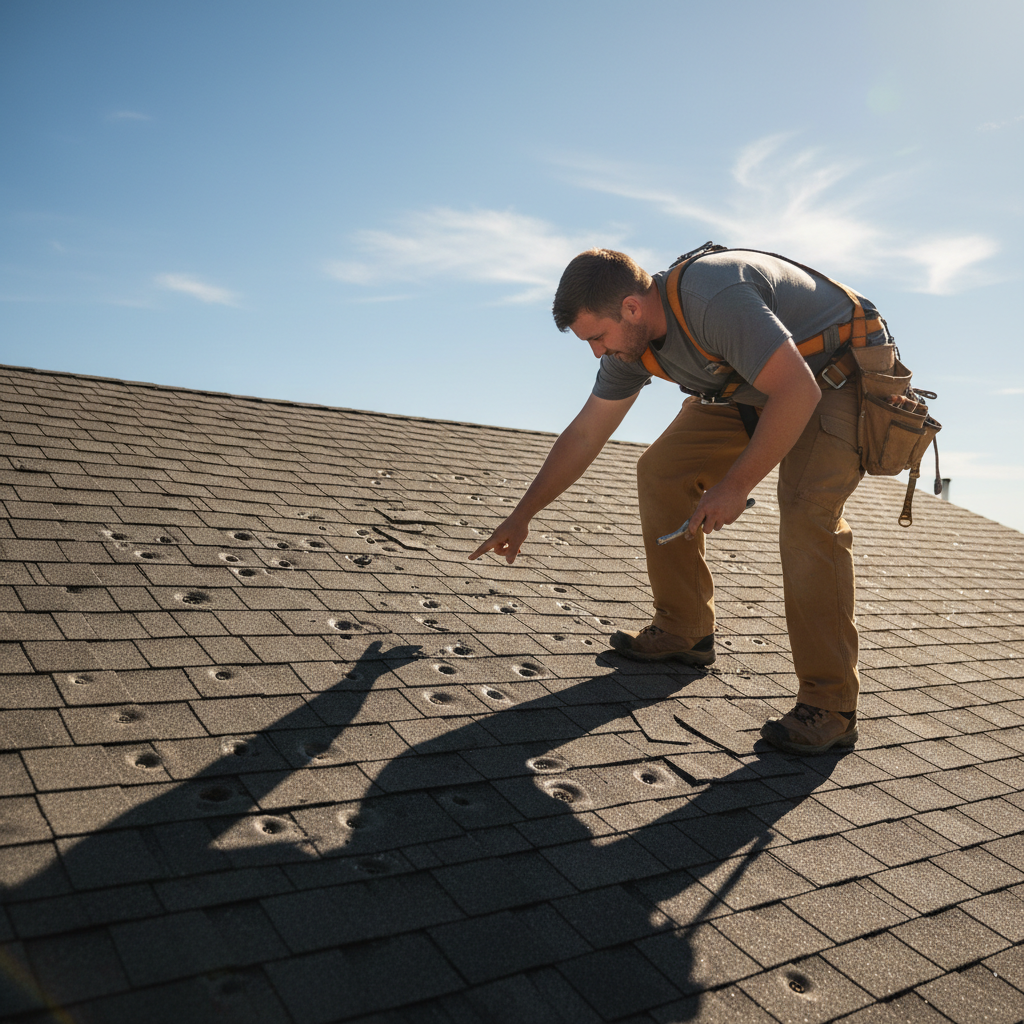
Utah’s environment presents a unique set of stressors that can rapidly degrade a building’s exterior. In the Wasatch Front, commercial systems frequently experience thermal shock, a phenomenon where ambient temperatures swing 40 degrees or more within a single 24 hour cycle. As the sun hits a flat roof, the membrane expands; as temperatures drop rapidly at night, it contracts. This constant movement places immense mechanical stress on flashings, fasteners, and seams. Over time, these daily cycles can cause materials to fatigue, leading to splits or hardware backing out of the substrate.
Furthermore, the high altitude across Northern Utah results in intense UV radiation that is significantly more damaging than at sea level. Common membranes like TPO and EPDM rely on chemical stabilizers to remain flexible. High UV exposure accelerates the baking of these materials, leading to premature brittleness and surface erosion. Without consistent commercial roof maintenance Utah buildings often see their roof life expectancies cut short as the membrane loses its ability to withstand standard foot traffic or environmental pressure. Engaging in regular roof maintenance allows for the early detection of these UV related surface changes before they reach the reinforcement scrim.
Environmental Factor | Impact on Roofing System |
|---|---|
Thermal Shock | Mechanical fatigue and seam separation |
High-Altitude UV | Membrane brittleness and chemical degradation |
Heavy Snow Load | Structural strain and ponding water |
Freeze-Thaw Cycles | Expansion of trapped moisture in cracks |
In Northern Utah and Box Elder County, snow load management is equally critical. Flat commercial roofs are designed to shed water, but heavy snow accumulation often creates stagnant meltwater. When drains are slowed by slush or debris, the resulting ponding water sits over seams for extended periods. This standing water exerts constant hydraulic pressure, eventually finding the smallest imperfection in a lap or seal. As this water cycles through freezing and thawing, it expands, widening small gaps into significant leaks that compromise the building's interior. Ensuring these systems are prepared for these specific climatic pressures is a core component of professional asset management at Anders Roofing.
Flat Roof Maintenance Checklist for TPO and EPDM Systems
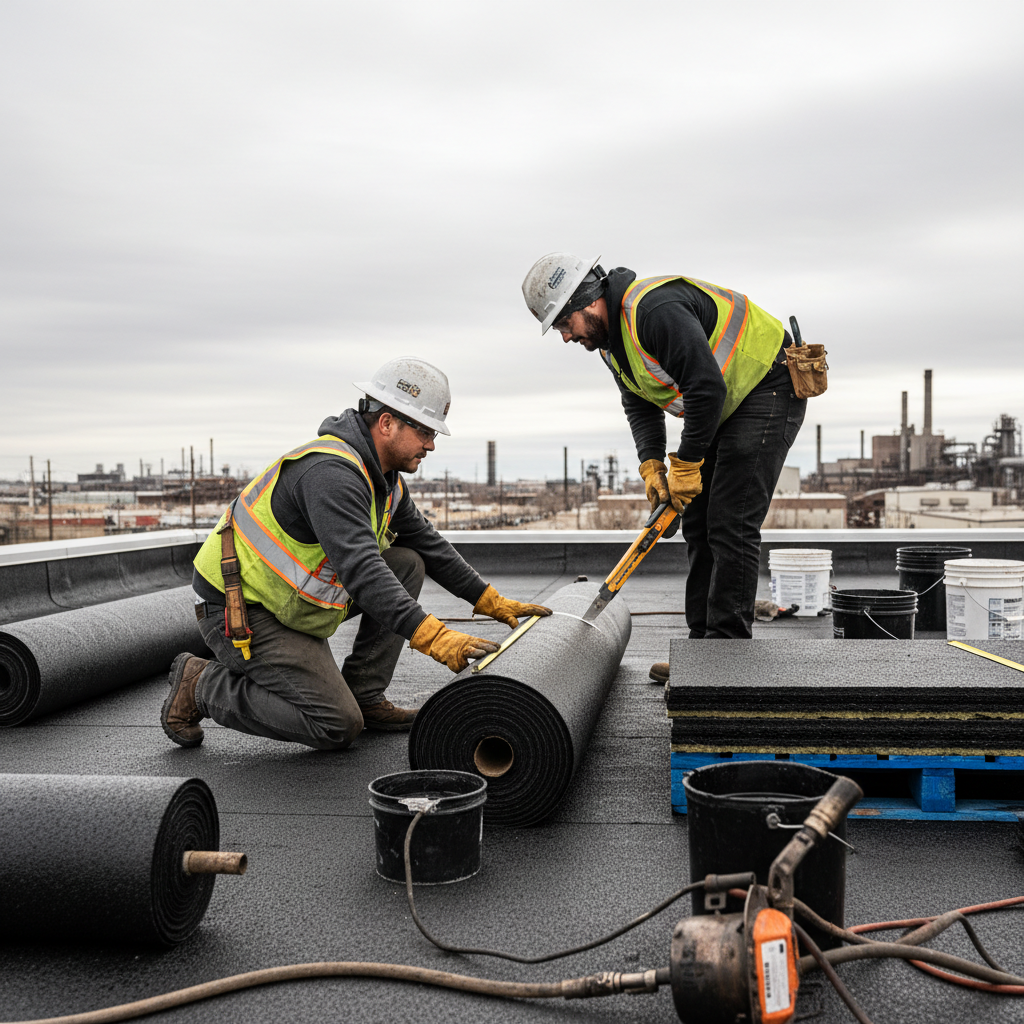
Managing a commercial asset requires a technical eye for the specific failure points of single ply membranes. A thorough walkthrough for commercial roof maintenance Utah starts with a systematic evaluation of the most vulnerable areas, focusing on where water is most likely to penetrate the building envelope.
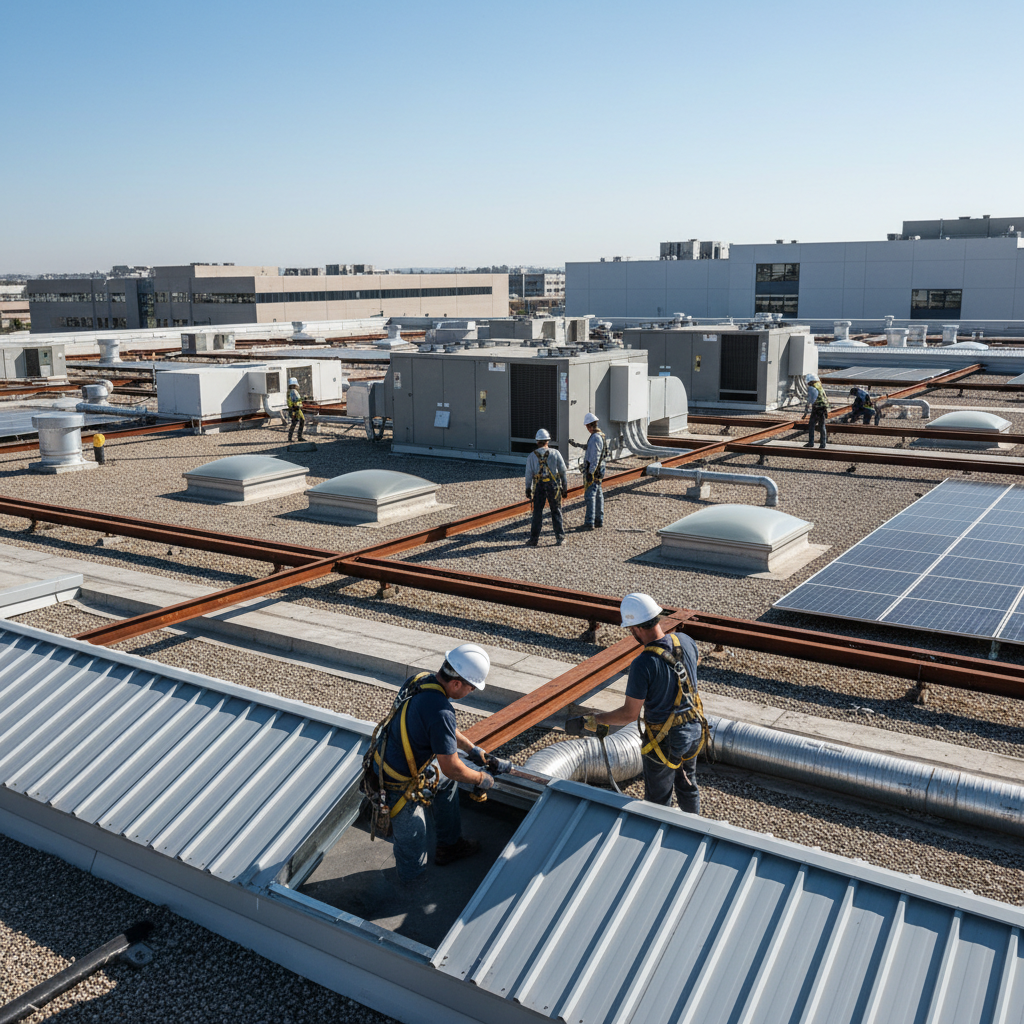
Actionable Inspection Checklist: - Seams and Lap Edges: Since these are the primary points of failure, inspectors must physically check for edge voids where the heat weld or adhesive has weakened over time. - HVAC and Penetration Flashings: Heavy rooftop units vibrate and shift during operation. Check the pitch pockets and counter-flashings around all mechanical equipment for cracked sealants or separated metal work. - Drainage Components: Clear all silt, leaves, and trash from scuppers and internal drains. This prevents the "bathtub effect" where stagnant water accumulates during heavy Utah spring rains, putting tons of unintended weight on the roof deck.
Material specific issues require targeted observation during roof maintenance. When inspecting a TPO (Thermoplastic Polyolefin) system, Anders Roofing looks for "crazing," which presents as a network of fine, hair-like cracks in the upper weathering layer. This is a clear sign of UV degradation that can eventually expose the internal reinforcement scrim to the elements. For EPDM (Ethylene Propylene Diene Terpolymer) systems, the primary concern is membrane shrinkage. As EPDM ages, it can pull away from the perimeter or parapet walls, putting extreme stress on flashings and potentially tearing the membrane at the corners. Identifying these indicators early allows for localized remediation before the underlying insulation is compromised.
Budgeting for Maintenance: The 25 Percent Rule and Annual Costs
Effective financial planning for commercial roof maintenance Utah requires understanding when to stop repairing a failing system. Industry professionals often utilize the 25 percent rule: if the cost of a single repair or the cumulative repairs for the year exceed 25 percent of the total replacement cost, it is usually more fiscally responsible to invest in a new system. This prevents property managers from throwing good money after bad on a membrane that has lost its structural integrity.
For a comprehensive annual plan, property managers should budget between $0.15 and $0.30 per square foot. This figure covers professional inspections, routine debris removal, and minor sealant remediation. While this is a recurring expense, it builds a critical paper trail. At Anders Roofing, we provide documented maintenance records that function like a CARFAX report for the building. During an appraisal or property sale, these records prove the roof has been professionally managed, often increasing the building’s valuation and streamlining the due diligence process for potential buyers. By treating roof maintenance as a documented asset history, you protect both the physical structure and the long term market value of the property.
Seasonal Scheduling for Utah Property Managers
To maximize the lifespan of a flat roof system, timing is as critical as the technical execution of the repairs. In the Intermountain West, the most effective strategy for commercial roof maintenance Utah property managers can adopt is a twice yearly inspection schedule, specifically occurring in the Spring and the Fall.
The Spring inspection is conducted immediately after the final snow melt. For properties in Box Elder County, this is the time to assess the physical toll taken by heavy snow loads and ice damming. Snow sitting on a flat roof for months can stress structural members and compress insulation, while ice dams along the roof edge can force water under flashings or into seams. Finding these issues in April or May allows for repairs before summer thunderstorms arrive, preventing small winter damage from becoming a major leak during a downpour.
Conversely, the Fall inspection serves as the final seal for the building envelope before the first freeze. During this visit, technicians from Anders Roofing ensure that all drains are clear and that sealants have not pulled away due to summer UV exposure. Preventing moisture ingress before the first freeze-thaw cycle is vital. If water enters a crack in October, it will expand when it freezes in November, turning a minor maintenance item into a major structural leak. Strategic roof maintenance ensures that the system is tight and functional before the weight of the next winter’s snow arrives.
Common Roofing Problems Found in Utah Commercial Inspections
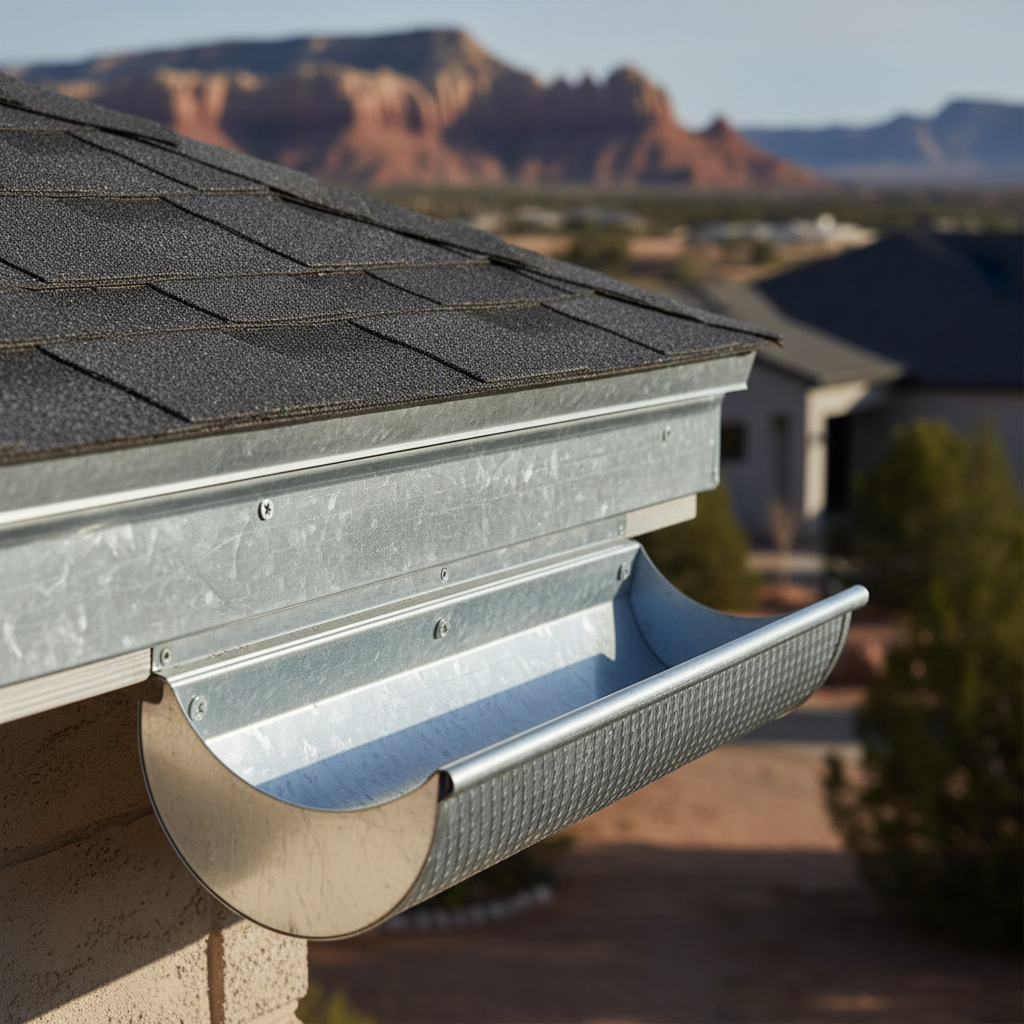
Routine inspections across the Wasatch Front reveal recurring issues that, if left unaddressed, lead to catastrophic failure. At Anders Roofing, we frequently identify five primary problems during our site visits. First, ponding water often occurs due to poor structural slope or deck deflection. In Utah’s climate, standing water accelerates membrane degradation and increases the risk of seepage through seams. Second, canyon winds unique to the region cause significant wind uplift, often peeling back perimeter flashings that were not properly secured to the parapet.
Third, we often find punctures caused by HVAC technicians who inadvertently drop tools or screws while servicing rooftop units. Fourth, failed sealants are rampant; high altitude UV radiation dries out caulking and pitch pocket fillers, creating small entry points for moisture. Finally, clogged scuppers and drains are a constant threat. When debris or silt blocks these exits, the roof becomes a reservoir, adding immense weight to the structure.
A structured commercial roof maintenance Utah contract ensures these vulnerabilities are documented before they manifest as interior ceiling leaks. By identifying a puncture or a failing sealant joint during a scheduled visit, Anders Roofing prevents the expensive reality of a winter emergency repair. Proactive roof maintenance transforms these common problems from high-risk liabilities into simple, routine corrections that protect the building's interior and your bottom line.
Choosing a Utah Commercial Roofing Partner for Asset Management
Selecting a partner for commercial roof maintenance Utah requires looking beyond basic repair skills. A qualified contractor must provide localized knowledge of the Wasatch Front’s specific environmental pressures, such as high altitude UV and rapid freeze thaw cycles. Property managers should prioritize firms that offer detailed photo documentation of every inspection point, as this transparency is vital for owner reporting.
Furthermore, look for a partner who provides a clear capital planning path, identifying which sections need immediate attention and which can be deferred to future budget cycles. Anders Roofing delivers this level of professional execution, ensuring durable systems from Logan to the Salt Lake Valley through specialized roof maintenance and long term asset management.
Maintaining a commercial roof in Utah requires diligence and a proactive approach. By staying ahead of seasonal changes and addressing minor issues early, you protect your property and extend the life of your investment. While many tasks can be monitored internally, complex inspections and repairs often benefit from a trained specialist. If you want expert help to ensure your building remains secure throughout the year, you can view our full range of roofing services to see how we can assist you.