Metal roofing is the superior choice for Utah homes because it sheds heavy snow more effectively and lasts significantly longer than traditional shingles. Although the upfront cost of asphalt vs metal roofing Utah is lower for shingles, metal provides better long-term value through increased energy efficiency and resistance to extreme weather conditions.
Living under the Wasatch Front means your roof faces an exhausting cycle of intense UV radiation, heavy snow loads, and sudden hail storms. Most Utah homeowners eventually reach a crossroad where they must decide if a standard replacement is enough, or if it is time to invest in something more resilient. Choosing between asphalt shingles and metal panels is a decision that impacts your home equity, energy bills, and long-term maintenance costs for decades. At Anders Roofing, we believe in providing practical, expert guidance to help you navigate these local environmental challenges. In this guide, we will examine the direct trade-offs between these two popular materials. You will learn about their performance in Utah’s unique climate, the implications of insurance regulations, and which option truly offers the best return on investment for your specific property.
Understanding the Utah Roofing Challenge: Climate and Longevity
Utah’s climate presents a high stakes environment for any roofing system. In the valleys, the summer sun can reach punishing temperatures, while Northern Utah and Box Elder County face heavy snow loads that put immense pressure on structural integrity. A roof in our region is more than a design choice; it is a critical shield against rapid thermal cycles. These temperature swings cause roofing materials to expand and contract daily, a process that can fatigue lower quality systems over time if they are not rated for such extremes.
At Anders Roofing, we frequently observe how these environmental stressors impact homes and businesses throughout the Bear River Valley. High altitude UV exposure and freezing winter nights demand materials that can withstand more than just the occasional storm. When homeowners look for reliable residential and commercial roofing services, the decision usually narrows down to a comparison of asphalt vs metal roofing Utah residents can depend on for the long haul. Both materials offer distinct advantages in our climate, but they respond differently to the relentless sun and the weight of our winter snowpacks. Understanding these physical demands is the first step in determining which material will offer the best long term protection and about our local expertise helps in making that choice.
Asphalt Shingles: The Practical Utah Standard
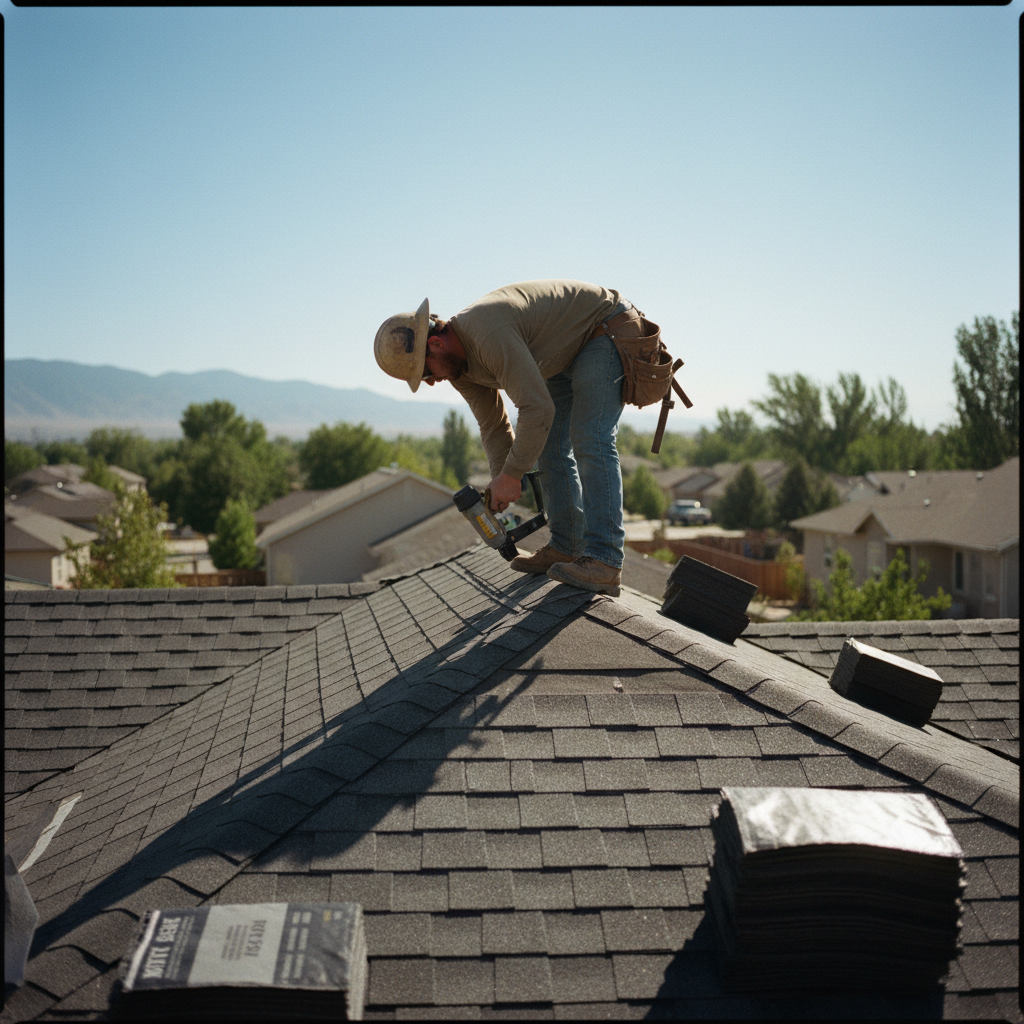
Asphalt shingles remain the most prevalent roofing material in Utah for several practical reasons. For many homeowners in Box Elder County, they represent the most budget friendly path to securing a property against the elements. The primary advantage is the lower upfront cost, typically 40 to 60 percent less than metal alternatives. This lower price point allows property owners to address urgent needs quickly without the significant financial barrier of premium materials.
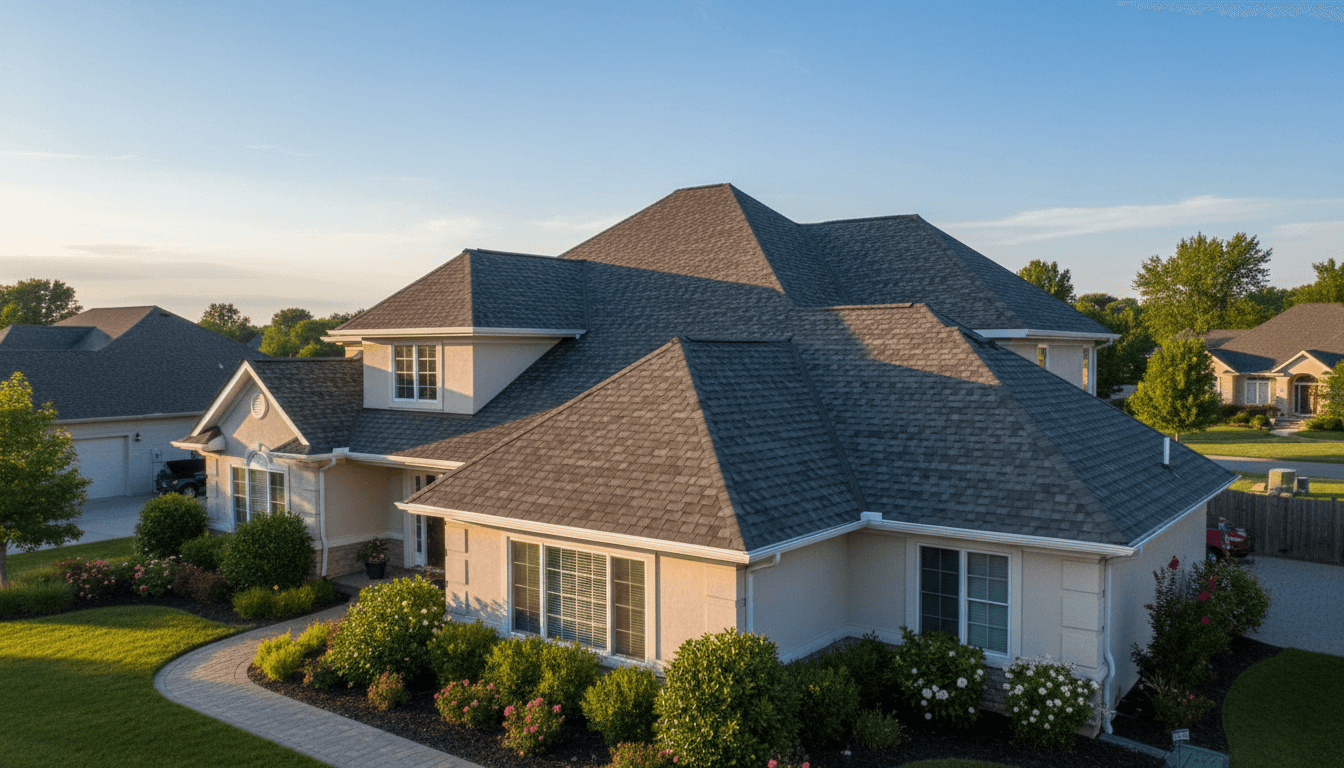
Standard three tab shingles are increasingly being replaced by architectural, or laminated, shingles. These products are specifically engineered for better wind resistance, which is a critical consideration for homes exposed to the powerful canyon winds common in the Bear River Valley. Architectural shingles provide a dimensional appearance that mimics wood or slate while offering a heavier weight and reinforced adhesive strips that stay anchored during localized wind events.
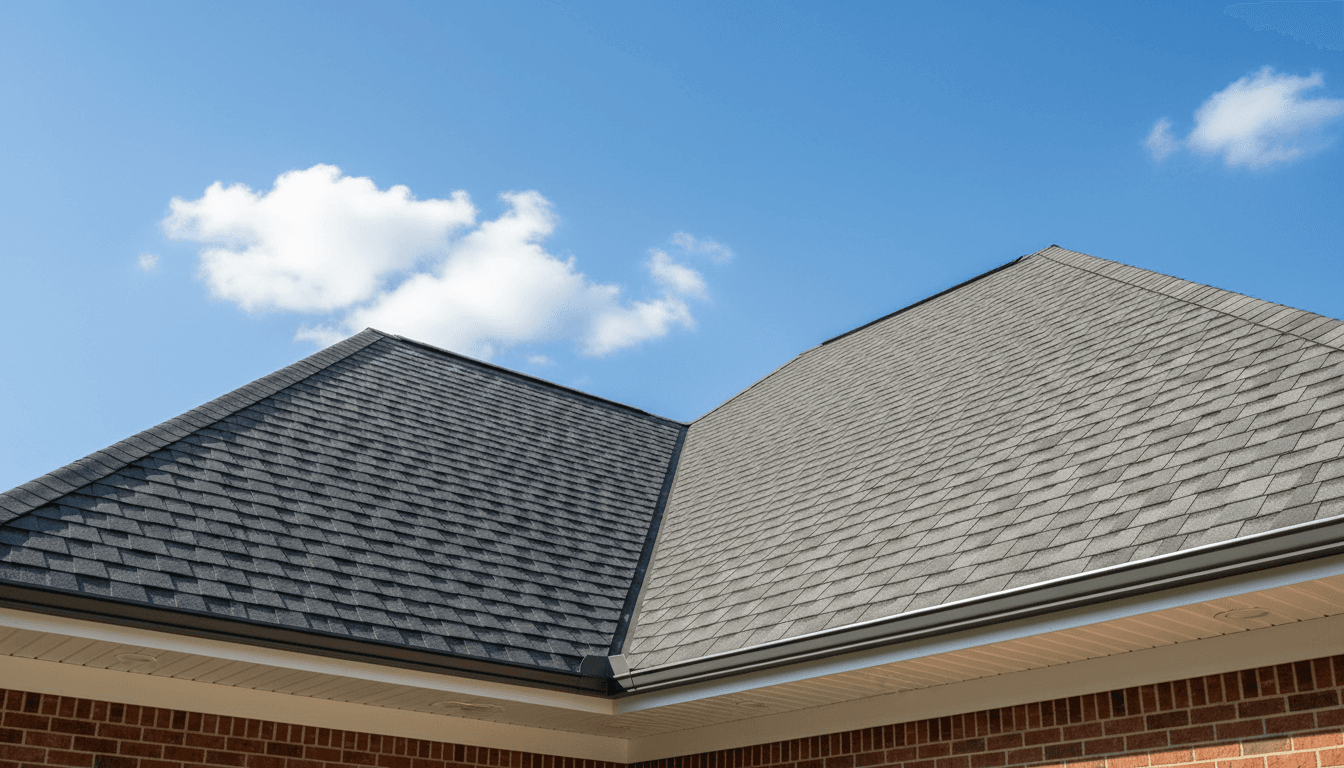
The primary trade off for lower initial costs is a shorter lifespan. In Utah’s high altitude environment, shingles are subjected to intense UV radiation and extreme heat. Over time, this causes the asphalt to dry out and lose the protective ceramic granules that shield the underlying mat. When evaluating asphalt vs metal roofing Utah climate factors like summer heat waves often result in accelerated granule loss and brittle materials, limiting the functional lifespan to roughly 20 to 30 years.
Despite these limitations, asphalt remains a reliable choice for those prioritizing ease of repair and a wide range of aesthetic options. If a storm causes localized damage, a specific section can often be patched or replaced without disturbing the entire system. For many local property owners, this flexibility and immediate availability make asphalt the go to standard for reliable residential and commercial roofing services. Understanding these material nuances is part of what we share when clients ask about our local expertise regarding regional weather demands.
Metal Roofing: The Lifetime Investment for Northern Utah
For property owners seeking a permanent solution to regional weather challenges, metal roofing represents a practical investment that can last between 40 and 70 years. Unlike materials that degrade under intense UV exposure, metal systems are engineered to withstand the aggressive thermal cycles found in Box Elder County without becoming brittle or losing structural integrity.
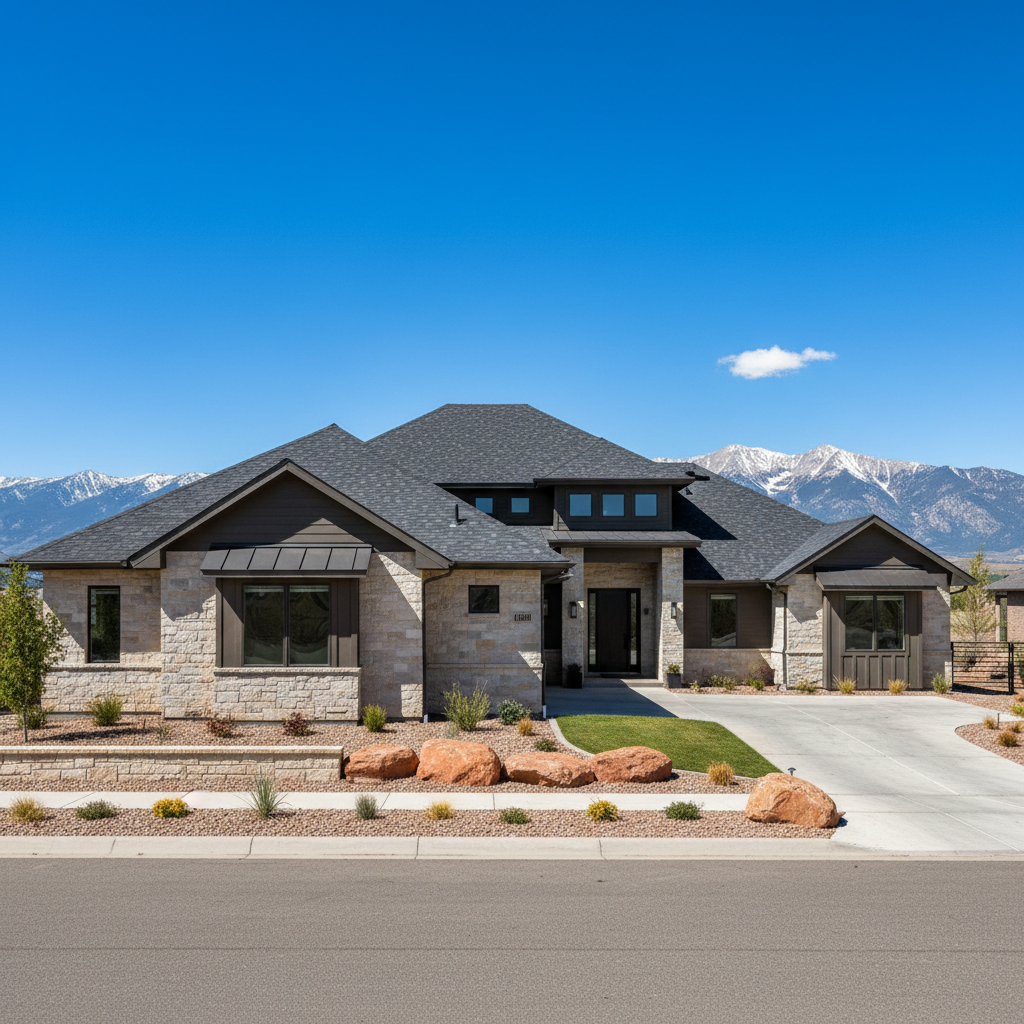
There are two primary styles utilized in our region: standing seam and metal shingles. Standing seam systems use vertical panels joined by interlocking seams that sit above the drainage plane. This design conceals the fasteners, protecting them from moisture and virtually eliminating leak risks at the attachment points. Metal shingles offer a different aesthetic, providing the appearance of traditional wood shakes, slate, or even clay tile while maintaining the impact resistance and durability of high grade steel.
In Northern Utah, the most significant functional advantage of metal is its superior snow shedding capability. Because the surface is smooth and non-porous, snow and ice tend to slide off the roof rather than accumulating in heavy, stationary drifts. This is a critical feature for homes in higher elevations or locations prone to ice dams. On asphalt systems, snow often melts and refreezes at the eaves, forcing standing water under the shingles. Metal roofing prevents this specific failure by ensuring that moisture moves off the structure quickly, protecting the roof deck from rot and water intrusion.
The initial financial commitment for metal is higher than traditional materials, but the long term value is significant. When evaluating asphalt vs metal roofing Utah homeowners should consider the replacement cycle; a single metal installation can outlast three separate asphalt roof replacements. For those planning to maintain their property for decades, the durability and reduced maintenance of metal offer a superior return on investment. If you are weighing these long term options for your property, you can contact Anders Roofing for a detailed assessment of which system best fits your building's structural profile.
Direct Comparison: Cost, Maintenance, and Energy Efficiency
Deciding between these materials requires a side by side look at how they impact your wallet and your home's performance over time. Asphalt shingles offer an immediate financial advantage; the upfront installation typically costs 40 to 60 percent less than a metal system. For many property owners, this makes reliable residential and commercial roofing services accessible during unexpected leaks or urgent renovations. However, the energy equation shifts the value toward metal during the peak of summer. In the intense sun of a Utah July, metal surfaces reflect solar radiant heat rather than absorbing it. This thermal reflection can reduce cooling costs by 10 to 25 percent, providing a measurable reprieve for your HVAC system.
Feature | Asphalt Shingles | Metal Roofing |
|---|---|---|
Upfront Cost | 40% to 60% Lower | Higher Initial Investment |
Cooling Efficiency | Standard Absorption | 10% to 25% Reduction |
Maintenance Needs | Periodic Inspections | Minimal (Decadal Fastener Checks) |
Structural Weight | Heavier (2.5+ lbs/sq ft) | Lighter (approx. 1 lb/sq ft) |
Maintenance requirements also vary based on material composition. Asphalt requires more frequent attention to identify loose granules, brittle areas, or wind lift caused by Northern Utah's canyon winds. Metal is largely maintenance free, though a professional should verify fastener tightness every few decades to ensure the system remains watertight. A common point of confusion we encounter involves structural weight. Most Utah residences are framed specifically for asphalt shingles, which are relatively heavy. Because metal is actually significantly lighter than asphalt, it rarely requires structural reinforcement. This makes metal a viable upgrade for almost any existing home when you consult about our local expertise regarding load bearing requirements. If you are curious about the specific structural compatibility of your home, you can contact Anders Roofing for a professional assessment of your current roof deck.
The 25 Percent Rule and Insurance Considerations
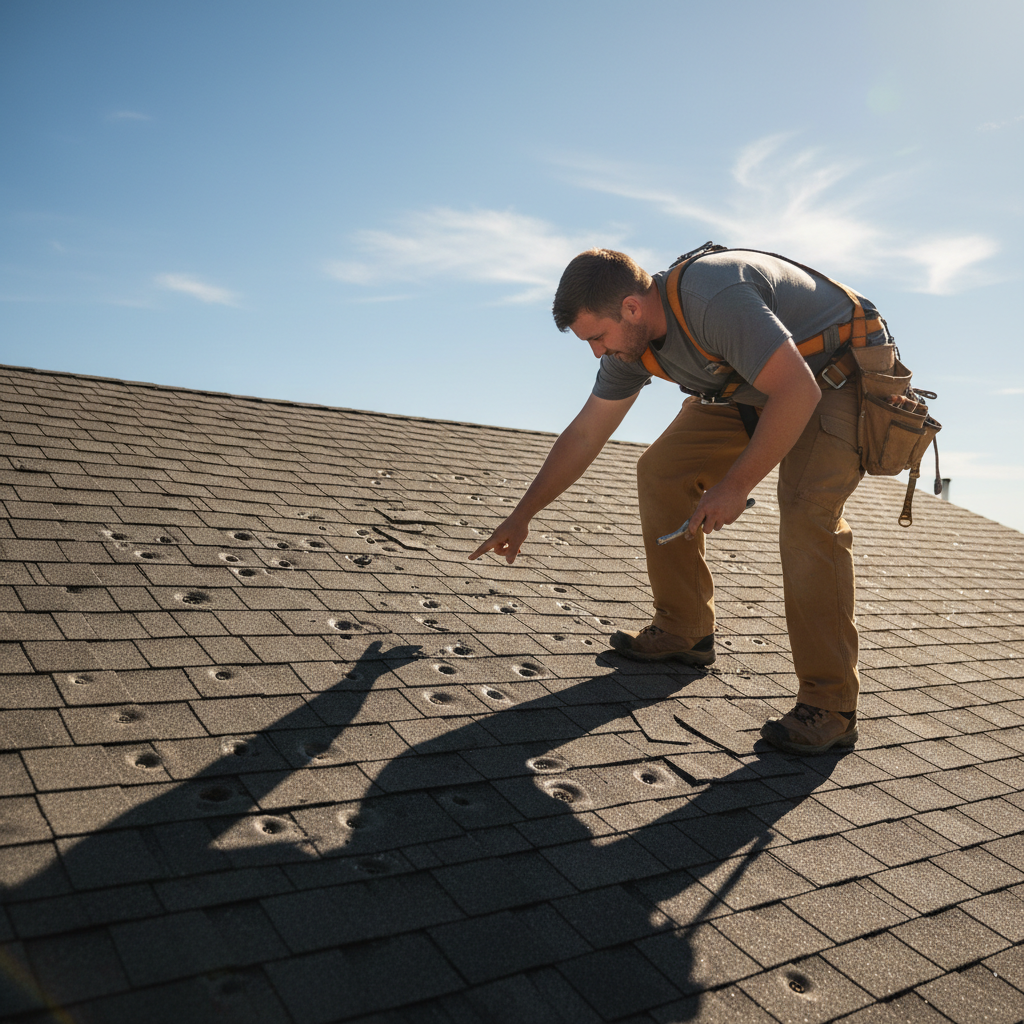
Understanding the financial side of a new roof requires looking beyond the initial quote. In Utah, building codes often include what is known as the 25 Percent Rule. This regulation generally states that if more than 25 percent of a roof surface is damaged within a 12 month period, the entire roof must be replaced to meet current building standards. This rule becomes highly relevant after the localized hail storms that occasionally sweep through Northern Utah and Box Elder County. If a single storm damages enough of your shingles, your insurance provider might be obligated to cover a full replacement rather than a minor repair.
When comparing asphalt vs metal roofing Utah homeowners should also investigate potential insurance premium discounts. Many local providers offer significant rate reductions if you install Class 4 Impact Resistant (IR) shingles or a metal roofing system. These materials are tested to withstand the impact of large hailstones without cracking. While the upfront cost for these premium systems is higher, the recurring annual savings on insurance can provide a substantial return on investment over the life of the roof. If you are navigating a claim or looking to lower your long term costs, you can contact Anders Roofing for assistance. We provide the documentation needed to help you learn more about our local expertise in meeting these specific code and insurance requirements for reliable residential and commercial roofing services.
Weathering the Storm: Hail and Snow Performance
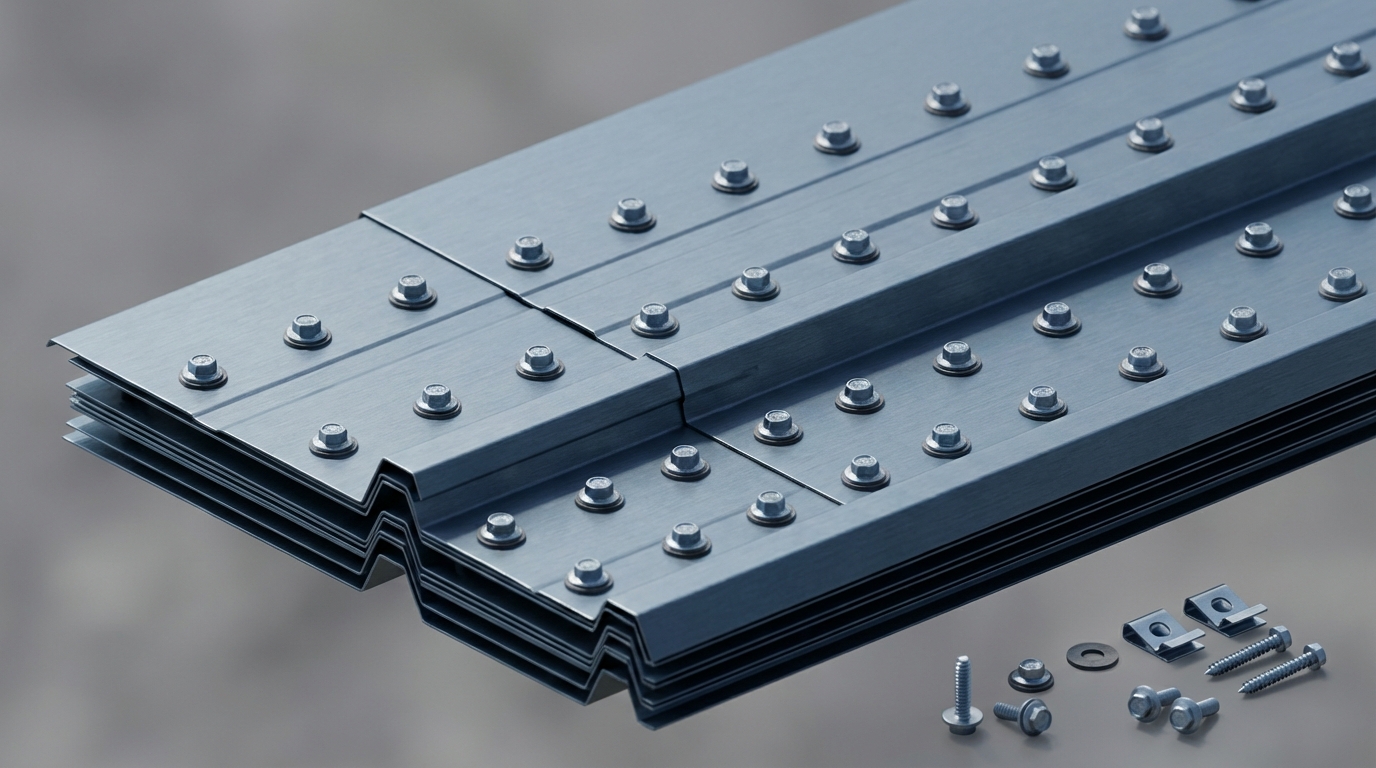
Living in Northern Utah means preparing for heavy winters and the occasional summer hail storm. These events test the physical limits of a roof system in different ways. In the Bear River Valley, snow load is a primary structural concern. Metal roofing features a smooth, non-porous surface that allows snow to slide off before it reaches a dangerous weight. This self-clearing property protects the structural integrity of the home. Asphalt shingles have a textured, granulated surface that grips snow. While this provides a small degree of additional insulation, it often leads to ice dams. As the snow melts from the warmth of the attic and refreezes at the cold eaves, it creates a blockage that forces water under the shingles, leading to interior damage.
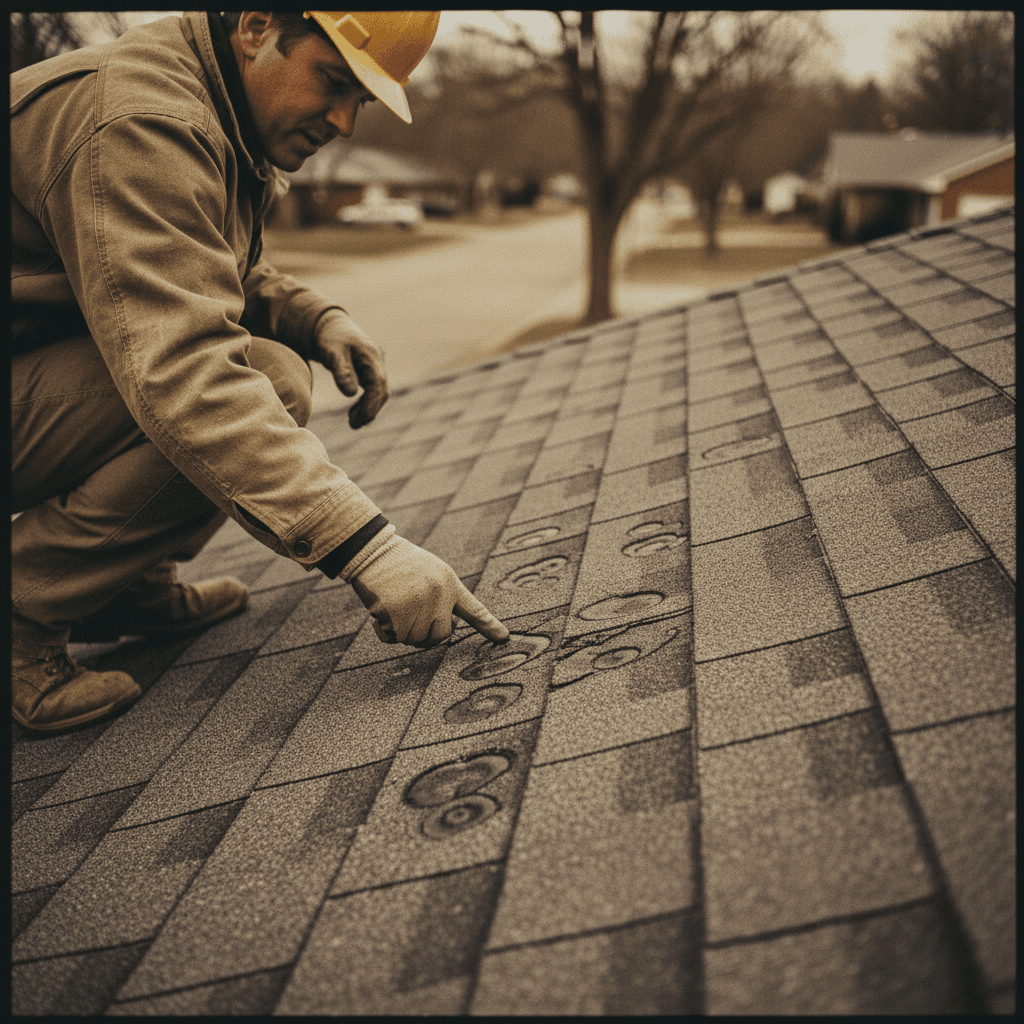
Hail performance is another area where the materials diverge. When evaluating asphalt vs metal roofing Utah property owners must consider the type of damage each sustains. Metal rarely cracks or punctures during a storm; instead, it may suffer minor cosmetic denting. This ensures the building stays watertight even after a severe event. Standard asphalt shingles, however, can lose their protective granules or suffer cracks in the fiberglass matting when struck by large hail. These cracks are often invisible from the ground but eventually lead to leaks and premature roof failure.
For homeowners in Box Elder County who prefer the traditional aesthetic of shingles but want better protection, we recommend Class 4 Impact Resistant shingles. These are specifically designed to withstand the force of large hailstones without fracturing. If you are assessing damage from a recent storm or planning a new installation, you can contact Anders Roofing for a professional inspection. We provide reliable residential and commercial roofing services and can explain more about our local expertise regarding which materials offer the best defense against Utah’s volatile weather patterns.
Choosing between asphalt and metal roofing often comes down to balancing your immediate budget with your long term goals for your Utah home. While both materials offer distinct advantages for our unique climate, the right choice depends on your specific needs and neighborhood. If you want expert help weighing these options or simply want to learn more about our team, you can visit our About page to see how we approach every project. We are here to ensure your roof protects your home for years to come.